La floriografía (o lenguaje de las flores) es un método de comunicación codificado que utiliza el significado simbólico de las flores y arreglos florales para transmitir mensajes, sentimientos o secretos, popularizándose enormemente en la época victoriana para expresar lo que no se podía decir abiertamente debido a las estrictas normas sociales, y aunque hoy se usa menos, el simbolismo de flores como las rosas rojas para el amor sigue vigente.
El regalo de las flores existe en la mayoría de las civilizaciones, ya sea un regalo o un acto religioso. En algunas culturas, el lenguaje de las flores recibe un simbolismo especial, que le da a cada uno un significado.
Por lo tanto, la composición de un ramo puede guiarse por preguntas de colores y aromas, o por el significado que se le da a cada flor. Los significados de las flores han evolucionado con el tiempo y no son los mismos en las diferentes culturas.
A continuación se muestra algunos significados asociados durante la sociedad victoriana:
AMARYLLIS
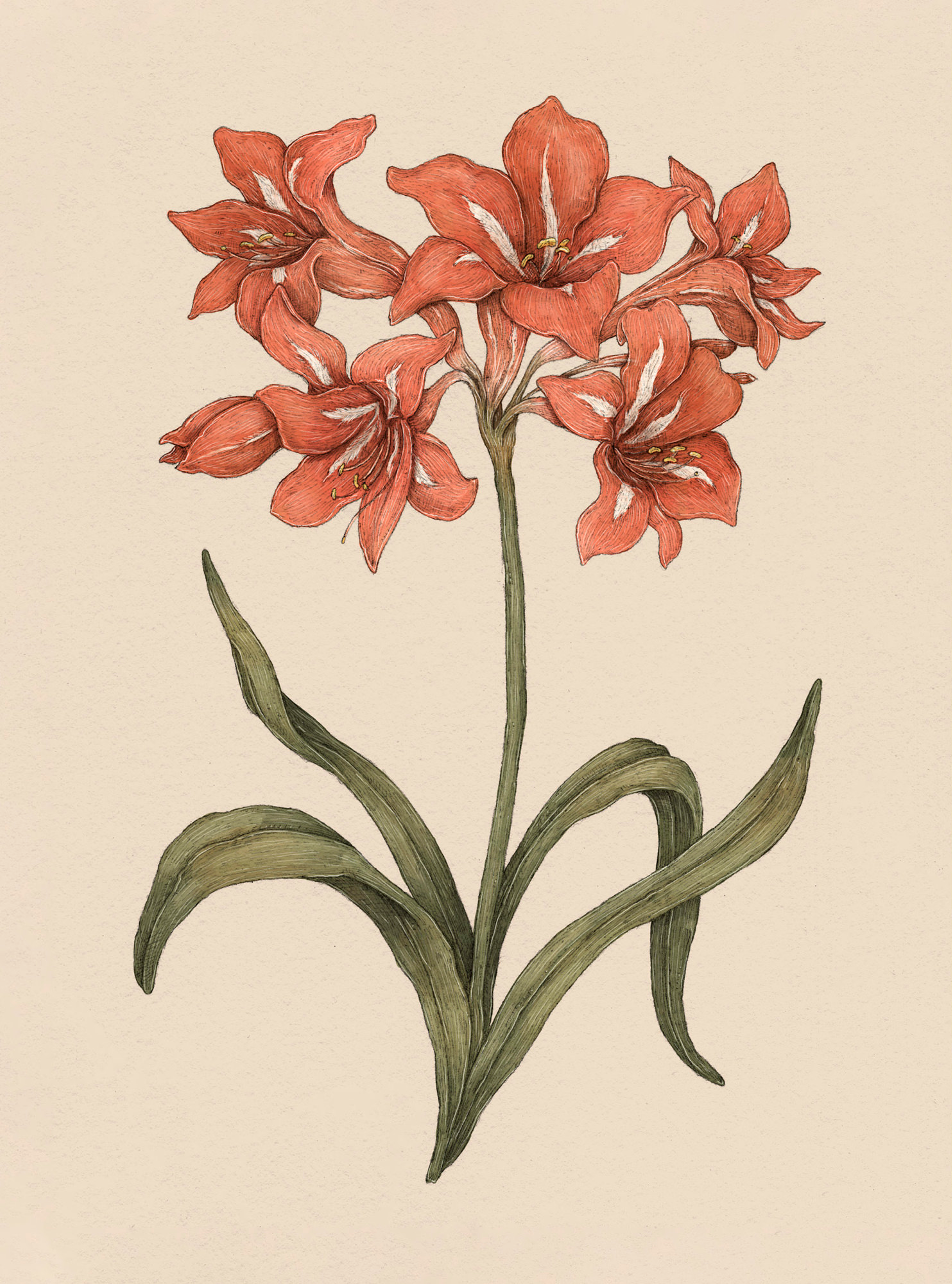
Meaning:
Pride
Origin:
The Victorians associated amaryllis with pride by virtue of its grand, tall stalks topped with bright blooms that towered over other flowers. Amaryllis, with its often leafless stems, is also known for withstanding drought. It is a strong and hearty plant, too prideful to perish under harsh conditions.
Pair with …
Hydrangea to indicate boastful pride
Clematis to show the recipient should be proud of their cleverness
ANEMONE
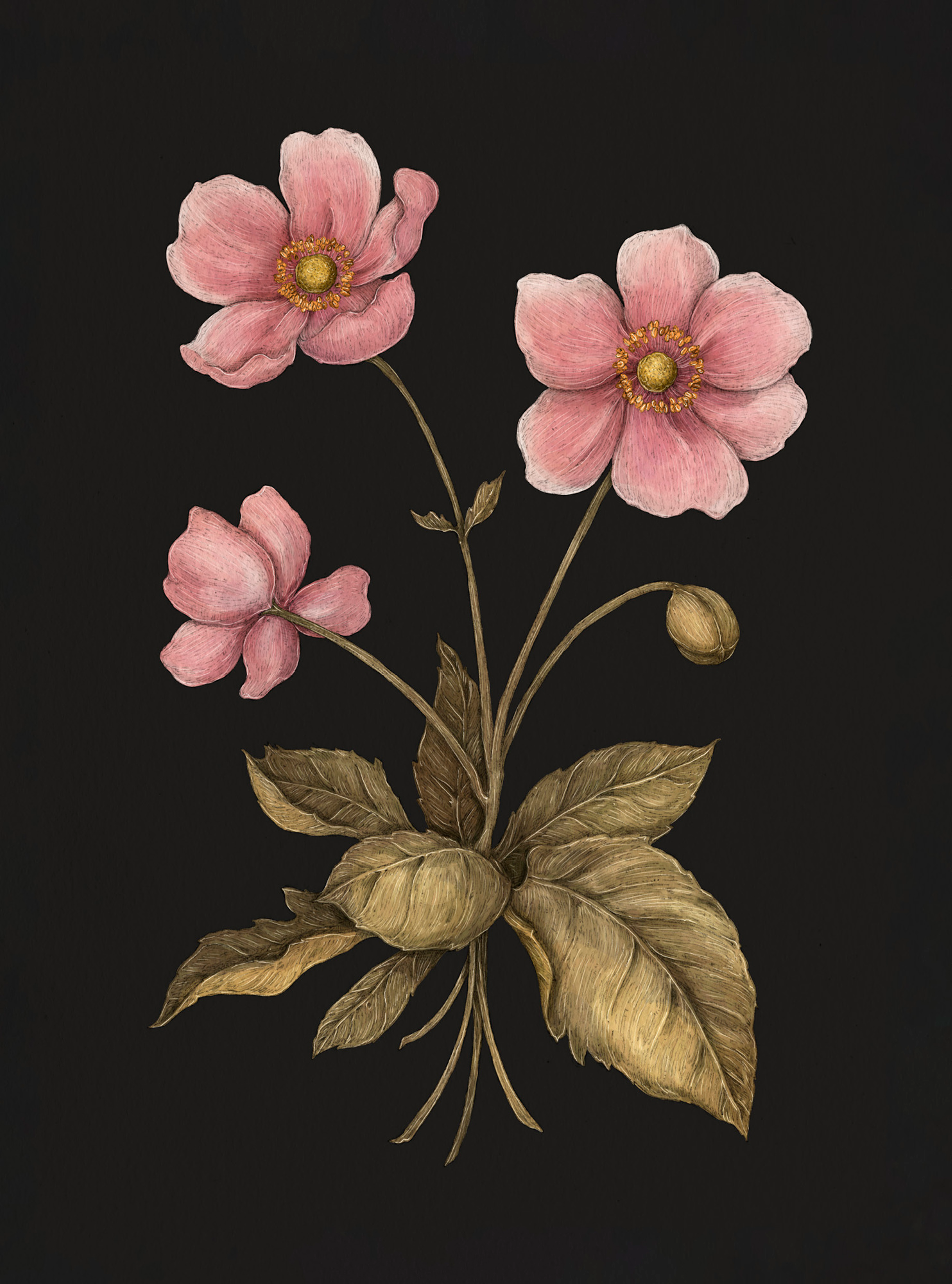
Meaning:
Forsaken love
Origin:
The anemone’s association with forsaken love can be traced back to Greek mythology. The flower is said to have sprung from Aphrodite’s tears as she mourned the loss of her beloved Adonis. He was killed by the jealous gods over his relationship with the goddess of love.
Pair with …
Camellia to show longing for what could have been
Yarrow to help heal a broken heart
APPLE BLOSSOM - Malus
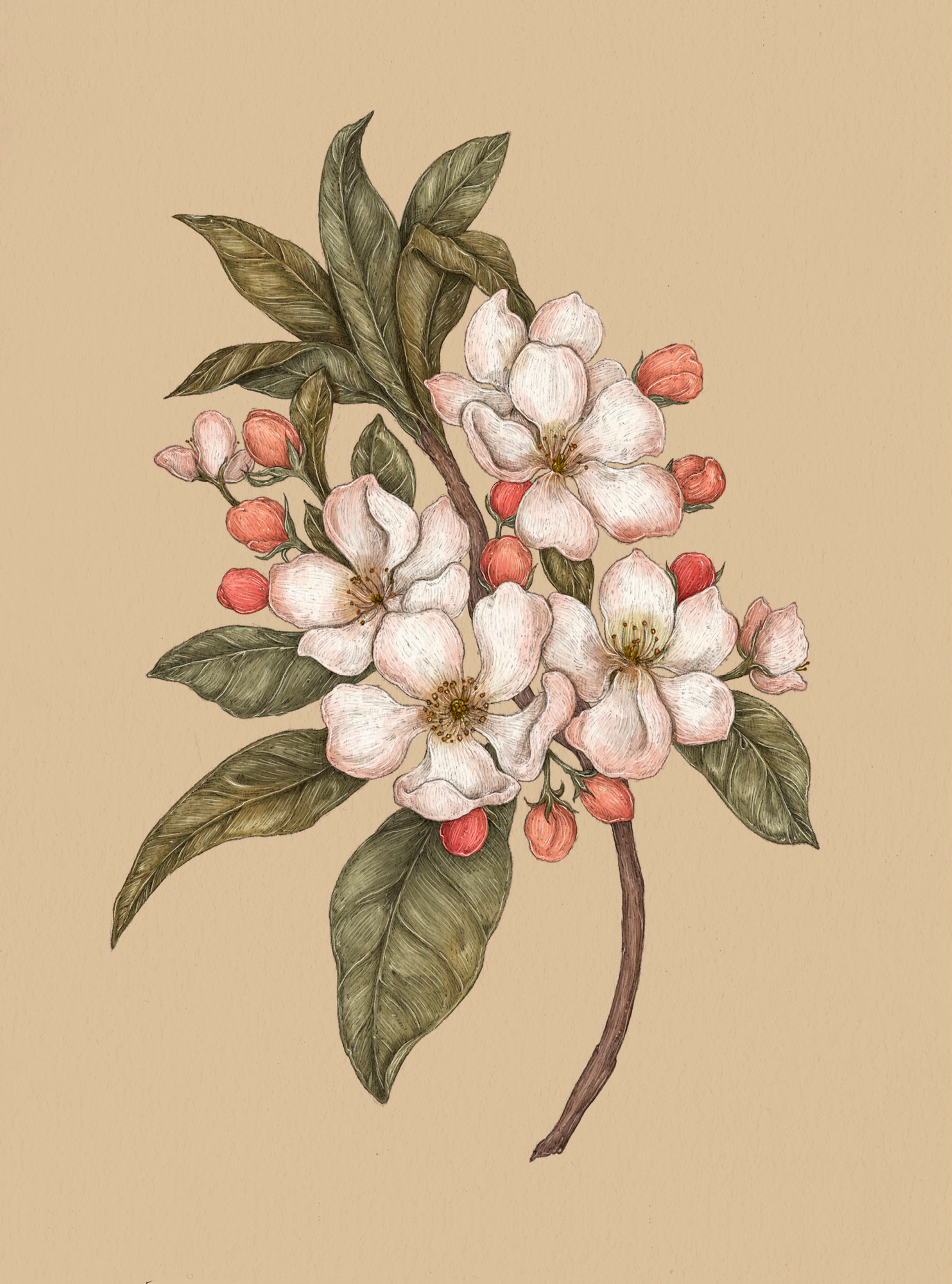
Meaning:
Preference
Origin:
The apple’s connection to preference comes from the fable of the Golden Apple of Discord. Eris, the goddess of discord, threw a golden apple into a wedding ceremony that she was not invited to attend. The apple was inscribed with “For the most beautiful,” and Hera, Athena, and Aphrodite all laid claim to it. Zeus tasked Paris of Troy with deciding between the three goddesses. He eventually chose Aphrodite after she promised him the love of the world’s most beautiful woman, Helen of Sparta. Because Helen was already married to King Menelaus, Paris’s preference ultimately caused the Trojan War.
Pair with …
Pansy to show the recipient you’re thinking of them Zinnia for a gift for a best friend
ASPHODEL - Asphodelus
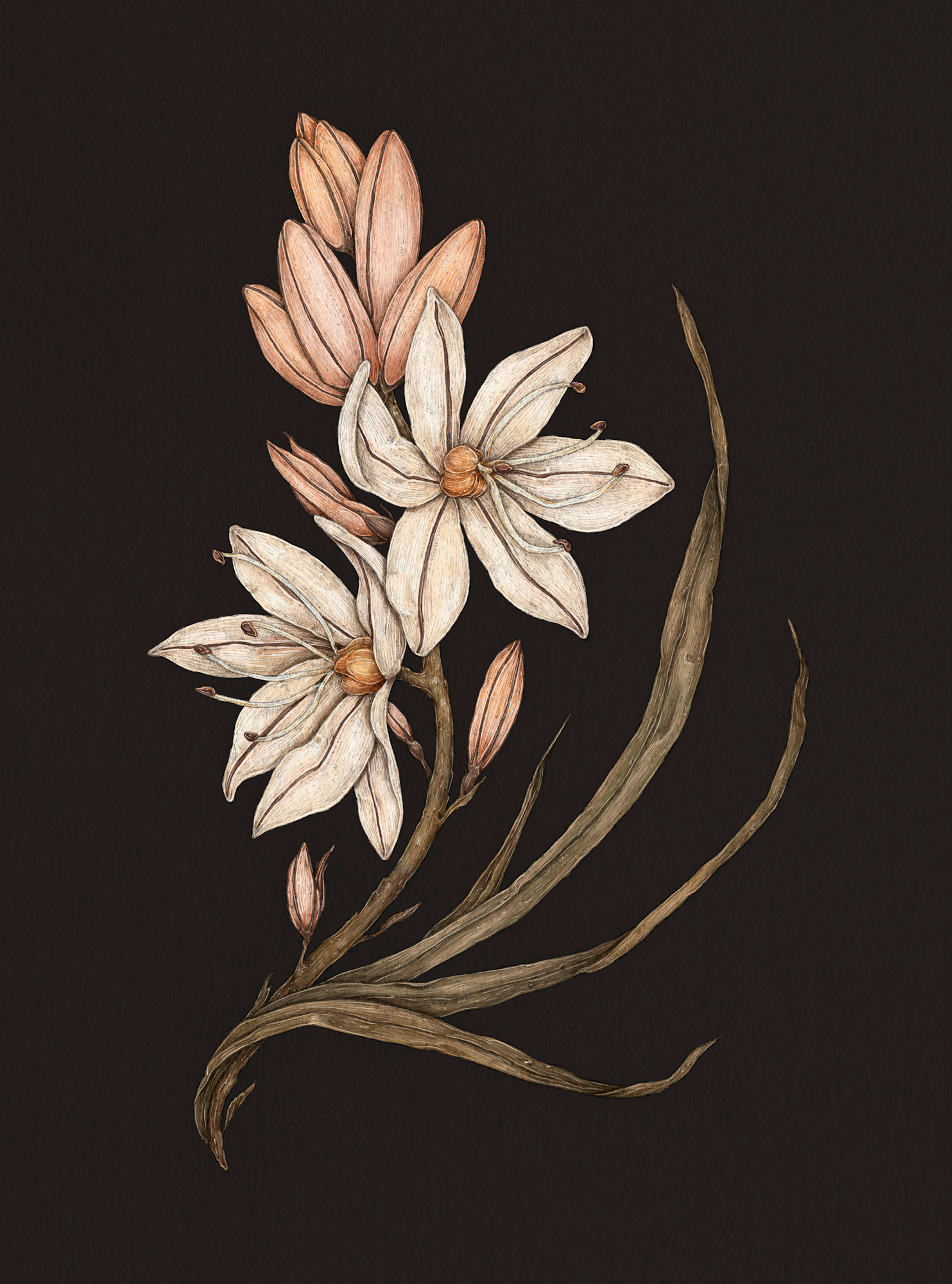
Meaning:
My regrets follow you to the grave
Origin:
In Greek mythology, asphodels grew in the underworld and were consumed by the dead. Homer’s Odyssey shaped the idea of asphodel as a flower of regret, referring to the Asphodel Meadows as a section of the underworld where neither good nor evil souls resided—a type of ghostly purgatory.
Pair with …
Cypress or marigold to indicate mourning and despair Rosemary to indicate eternal remembrance
ASTER - Symphyotrichum
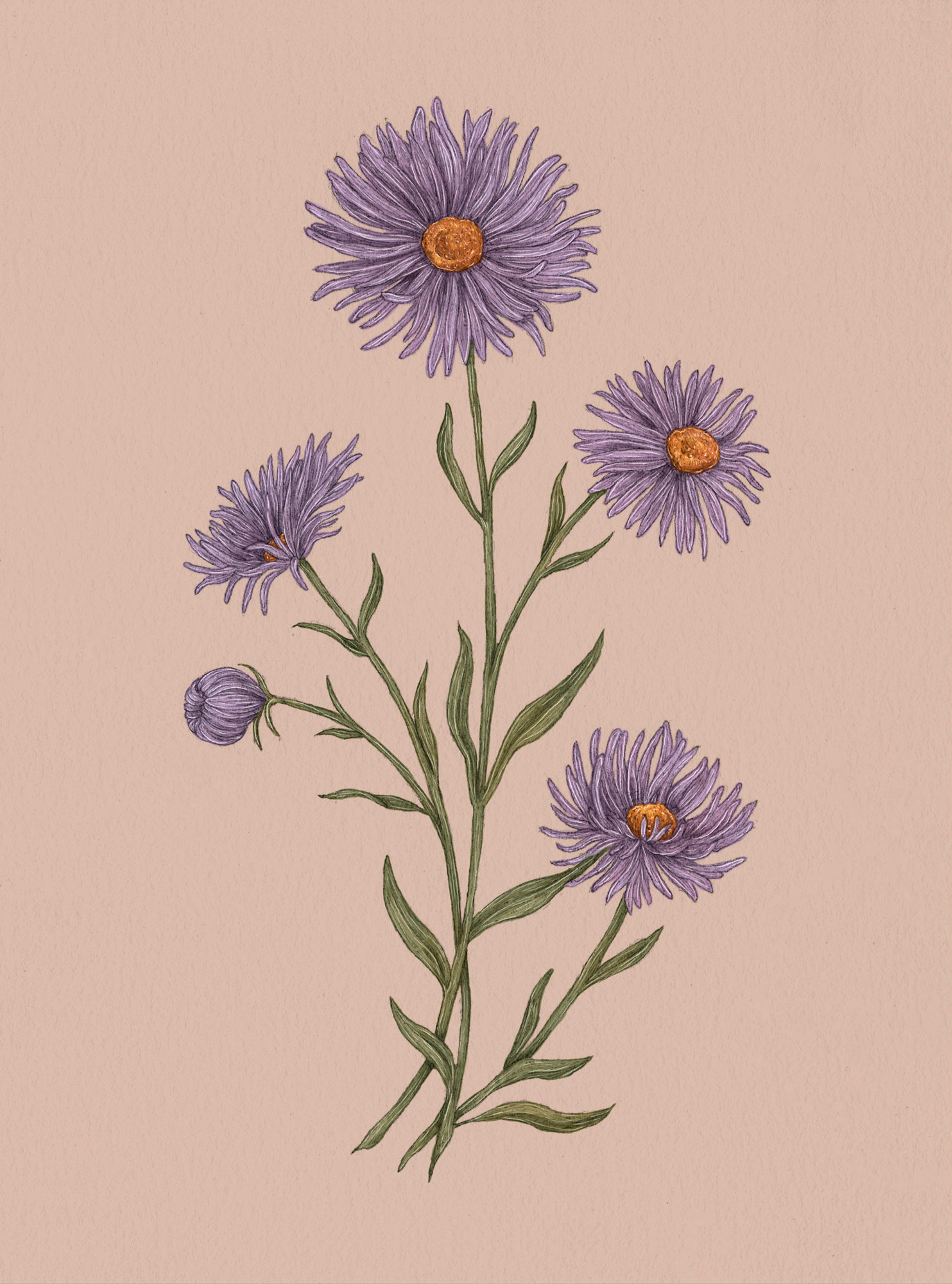
Meaning:
Daintiness
Origin:
The aster’s association with daintiness most likely comes from its appearance. The many long and slender petals delicately surround a bright, yellow center: a tiny masterpiece in a field of blooms.
Pair with …
Daisy for a gift for a young girl Buttercup to compliment someone’s charming demeanor
AZALEA - Rhododendron
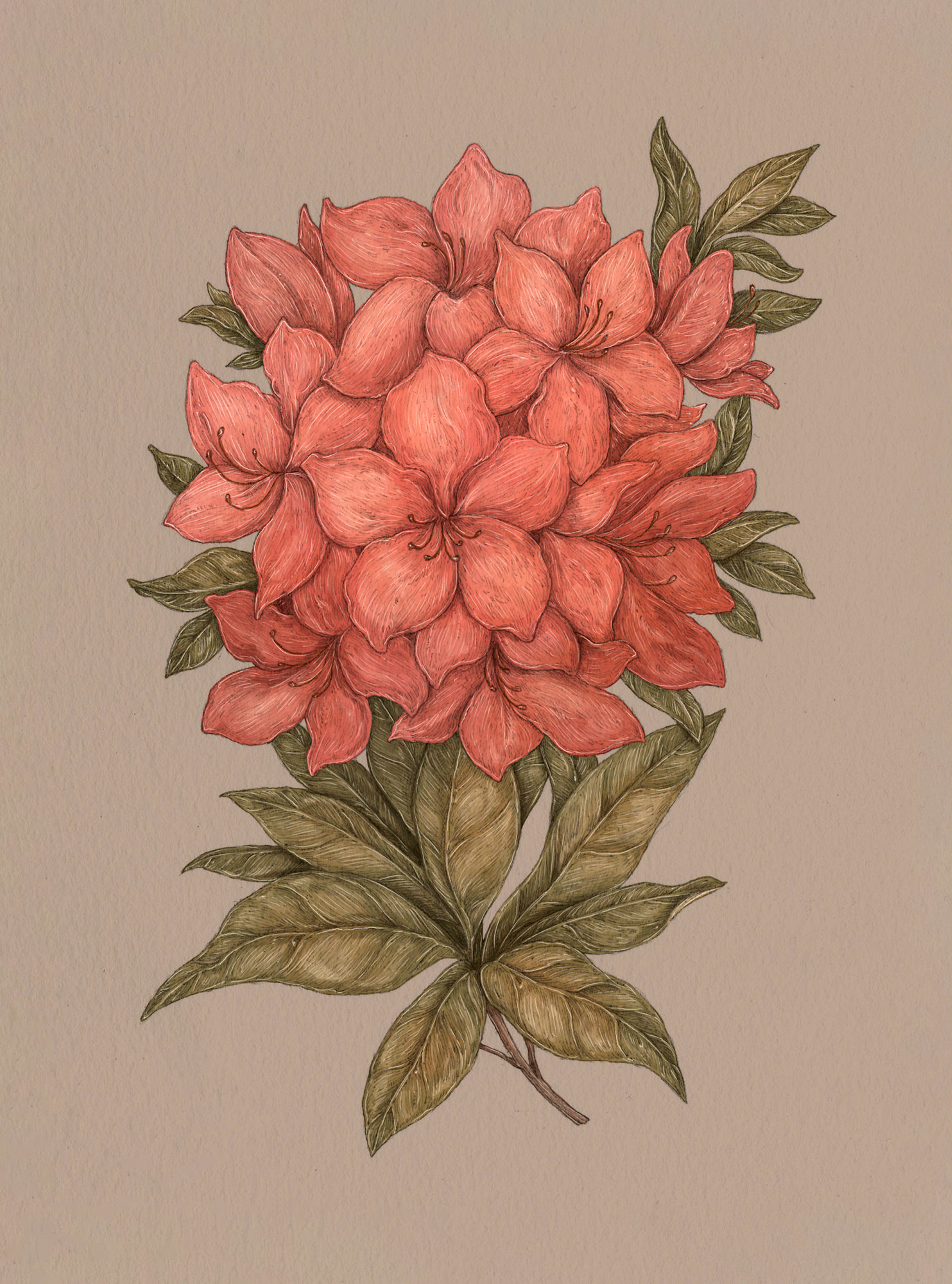
Meanings:
Fragility Temperance
Origin:
The azalea is notoriously fragile and difficult to grow. The beautiful, tender blossoms only last for a short time before tumbling to the ground. Along with this, its shallow roots do not tolerate overwatering, hence its association with temperance.
Pair with …
Mint or snowdrop to console a fragile state of mind Heather to show the recipient will be taken care of in their time of need
BABY’S BREATH - Gypsophila
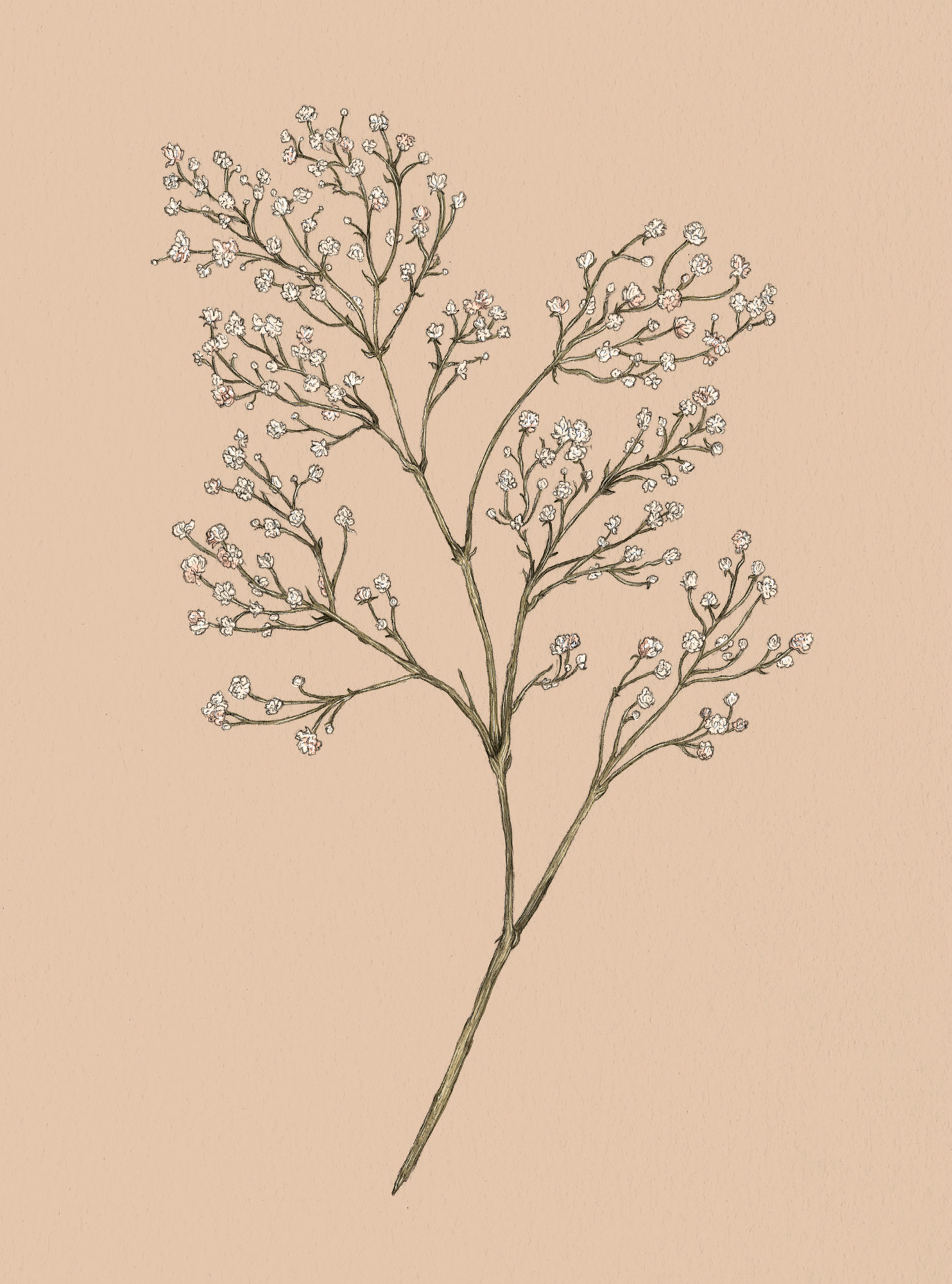
Meanings:
Purity Innocence
Origin:
In the late nineteenth century, the Gysophila plant was dubbed “baby’s breath,” due to its lovely scent and small, delicate blooms. Similar in appearance to the intricate lace of a bridal veil, this flower is frequently used in wedding bouquets as well as in arrangements for new mothers.
Pair with …
Lily as a gift for new parents Queen Anne’s lace as a gift for a godparent, to thank them for protecting and caring for the child
BASIL - Ocimum
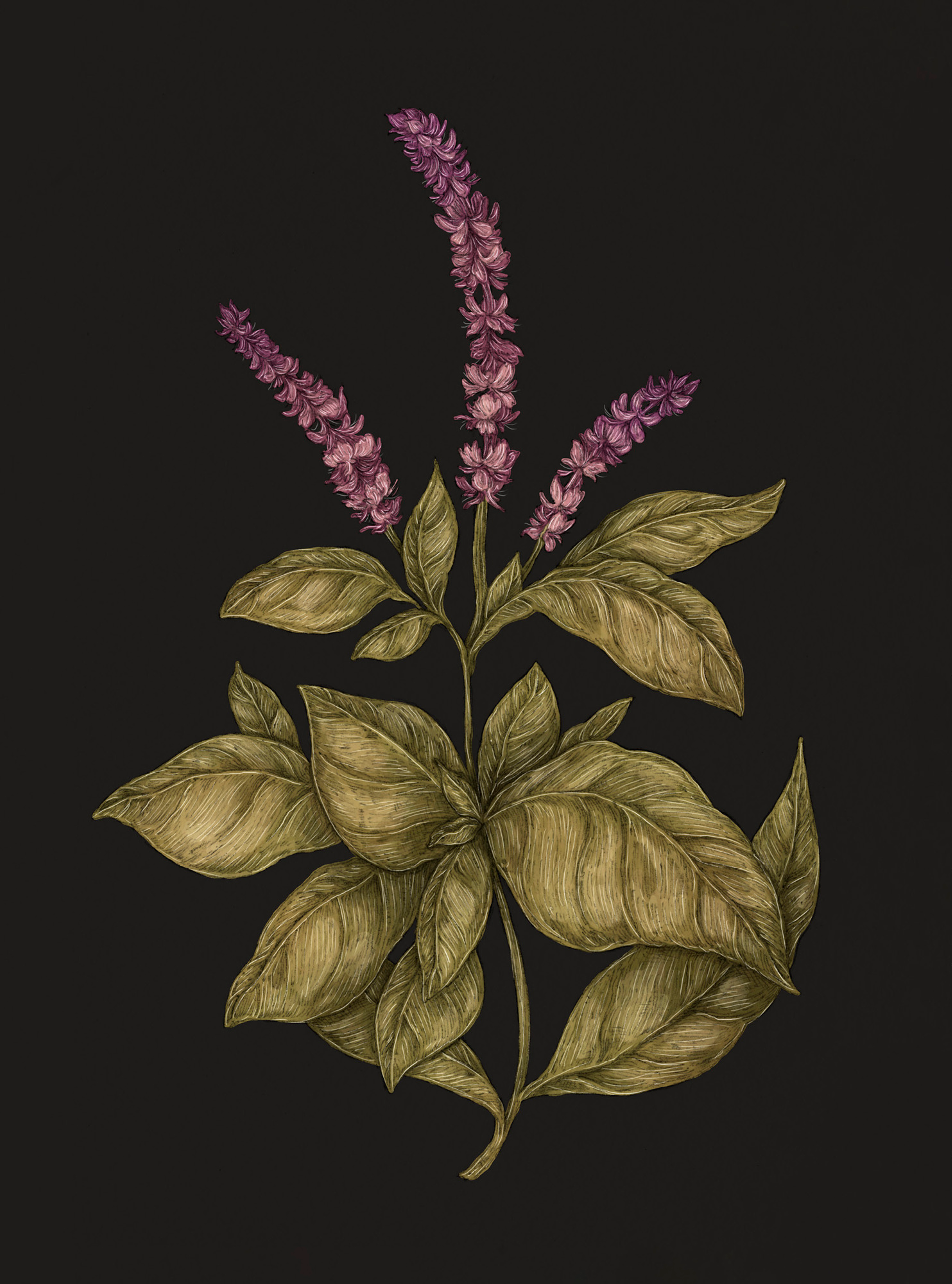
Meaning:
Hate
Origin:
Basil’s association with hate comes from the Greeks, who believed the plant’s unfolding leaves to resemble the basilisk’s opening jaws. The Greeks also associated hatred with the basilisk’s glare, because this legendary serpent could kill with just one glance.
Pair with …
Lavender for betrayal Oleander as a warning to someone you distrust
BEGONIA - Begonia
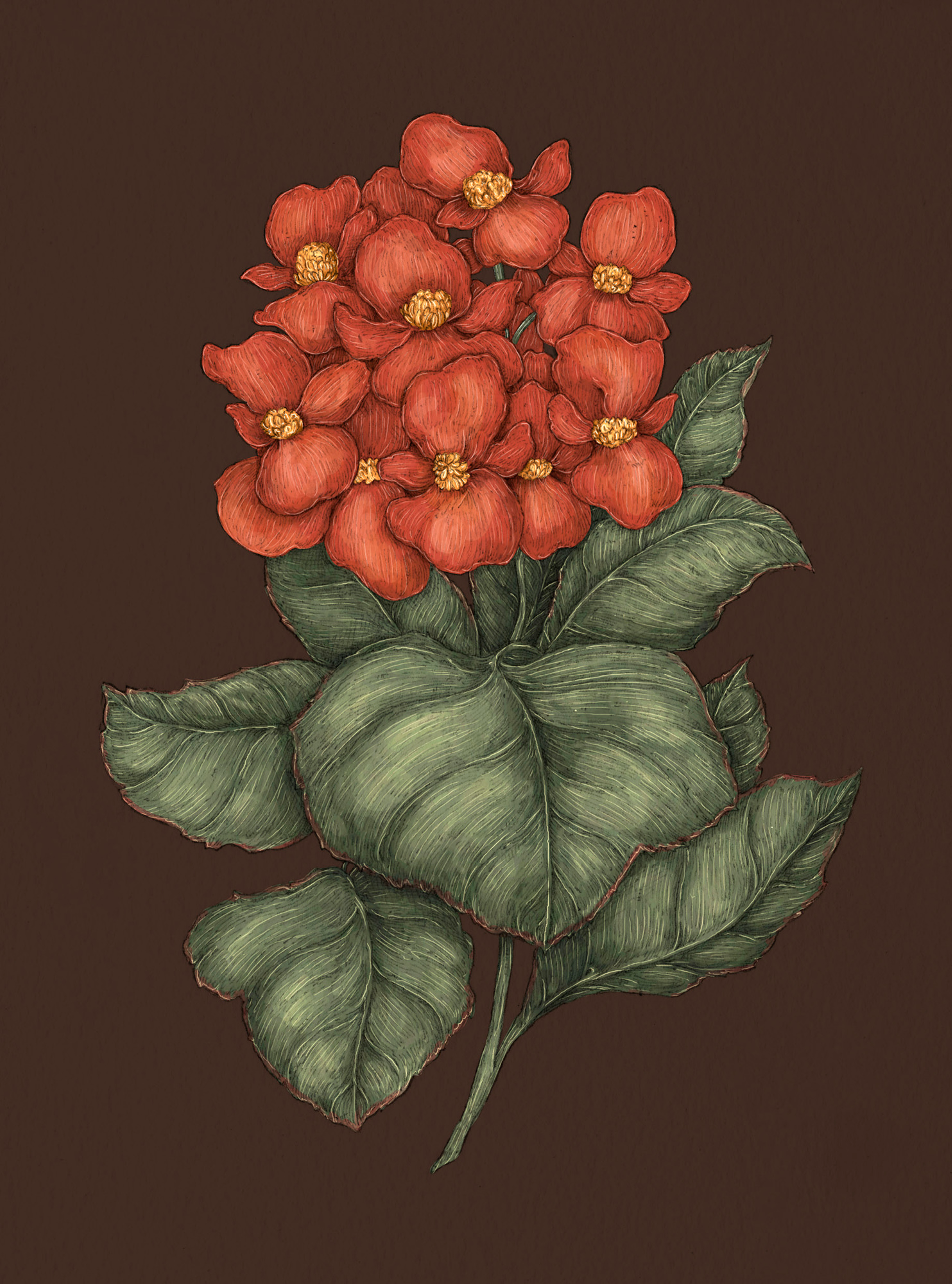
Meanings:
To repay a favor A warning
Origin:
To repay a favor, Charles Plumier, a seventeenth-century French botanist, named the begonia flower after Michel Bégon, a French politician and plant collector. The flower’s name, which contains the phrase “be gone,” may explain its use as a symbol of warning.
Pair with …
Sweet pea as a gift for the host of a party Oleander to emphasize caution in a new prospect
BELLADONNA - Atropa belladonna
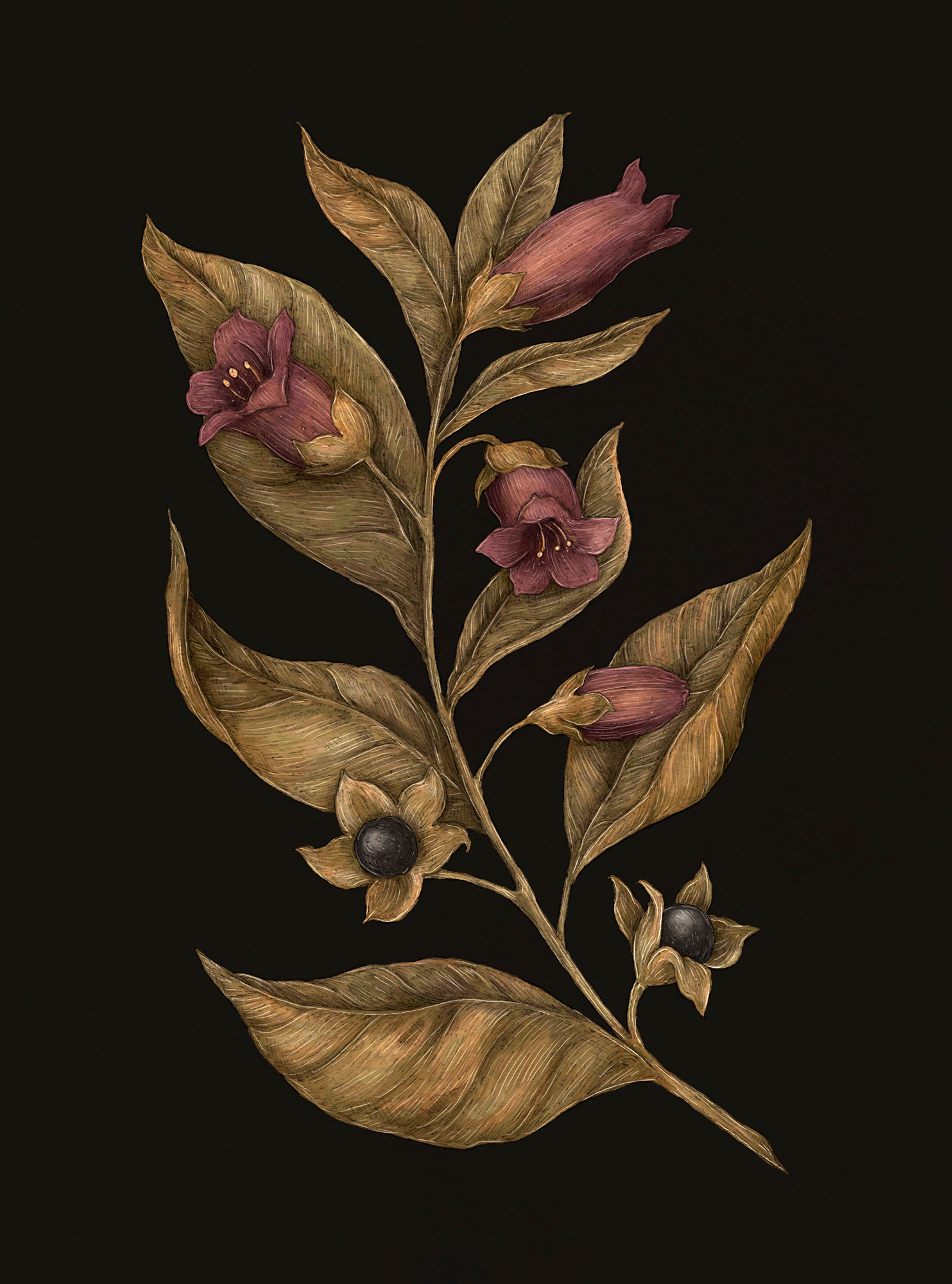
Meaning:
Silence
Origin:
Belladonna, also called deadly nightshade, is one of the most toxic plants on earth. It was commonly used by the Romans as a poison, causing death and thus silencing the victim forever. Additionally, the genus Atropa is named for the Greek goddess Atropos, the oldest of the three Fates, who was known for cutting the thread of life, ending the lives of mortals.
Pair with …
Columbine and begonia to urge someone to keep a secret Rue to warn the recipient to keep quiet lest they regret it
BLUEBELL - Hyacinthoides
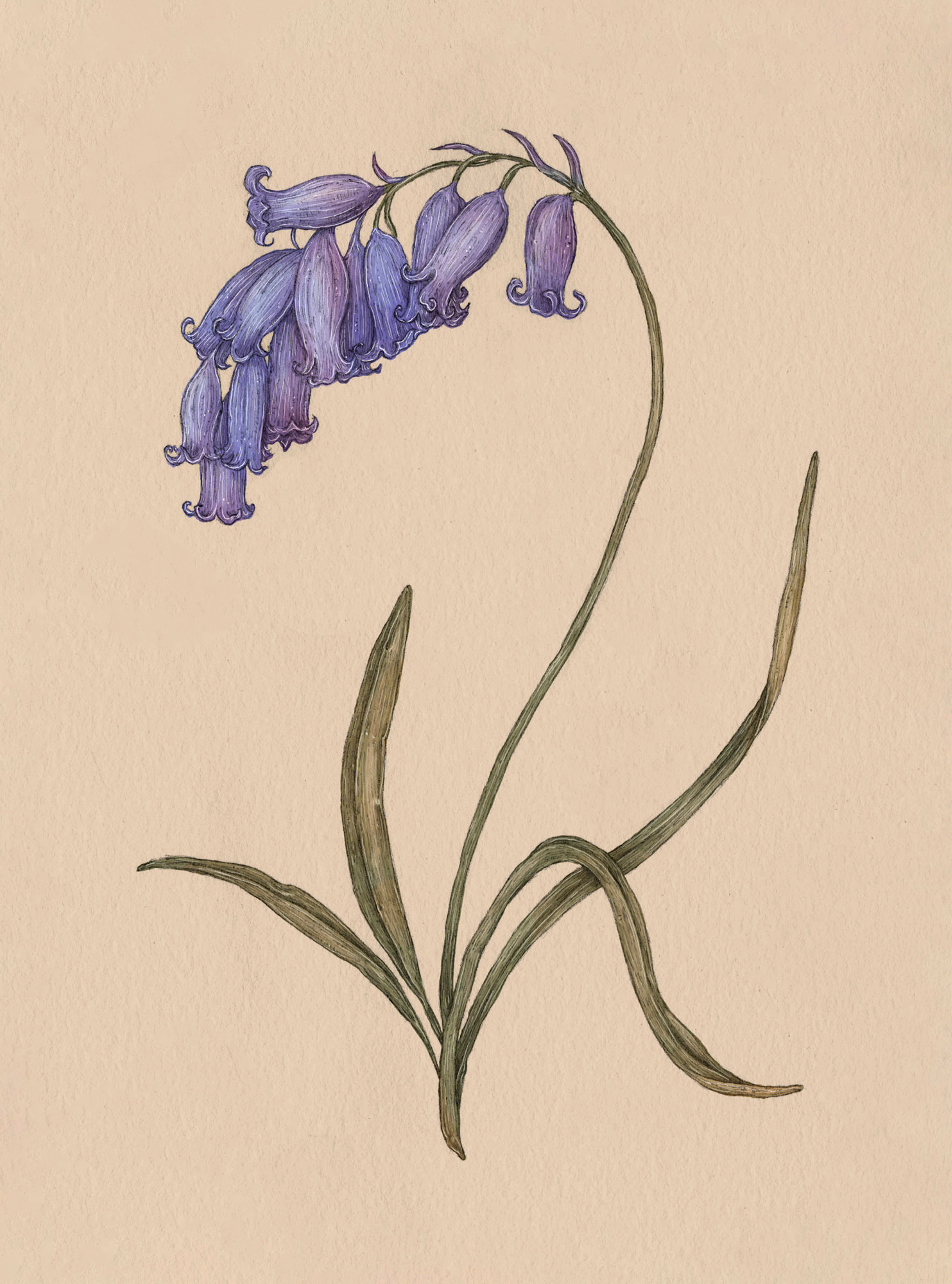
Meanings:
Humility Faithfulness
Origin:
The bluebell’s appearance inspired its associations with humility and faithfulness. The tranquil, bell-shaped flowers bow down on the stem, shying away from the sunshine as though showing contrition.
Pair with …
Peony for forgiveness for violating societal norms Passionflower as a gift for someone preparing for a religious sacrament
BUTTERCUP - Ranunculus
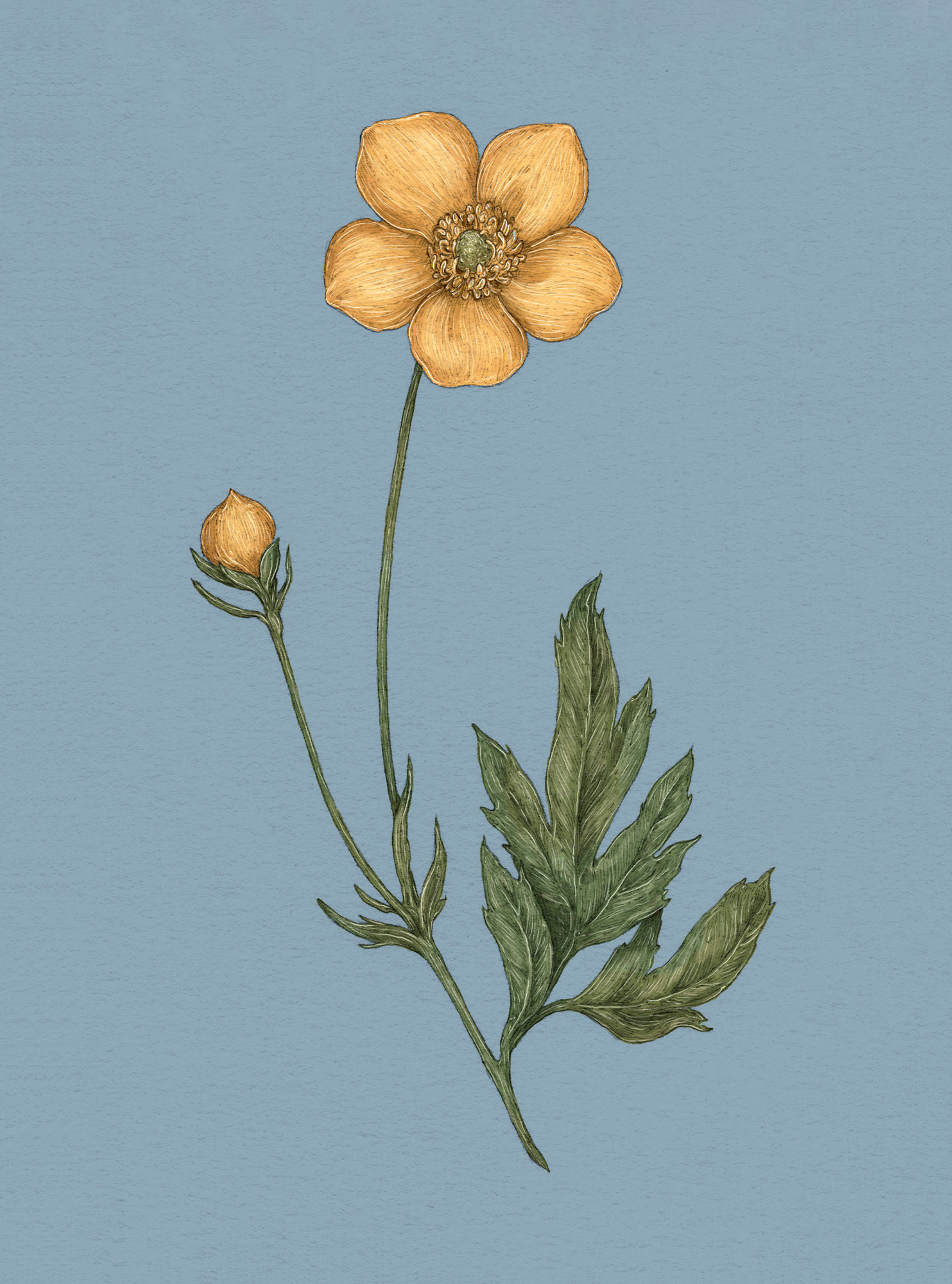
Meaning:
You are radiant with charm
Origin:
Buttercup’s meaning may originate with a Victorian-era childhood game. Children would hold a buttercup under their chin and check to see if a yellow reflection appeared on the skin. If the radiant glow appeared, then the bearer loved butter!
Pair with …
Cowslip to show a newfound affection Datura to show that you will not be fooled by charm
CAMELLIA - Camellia
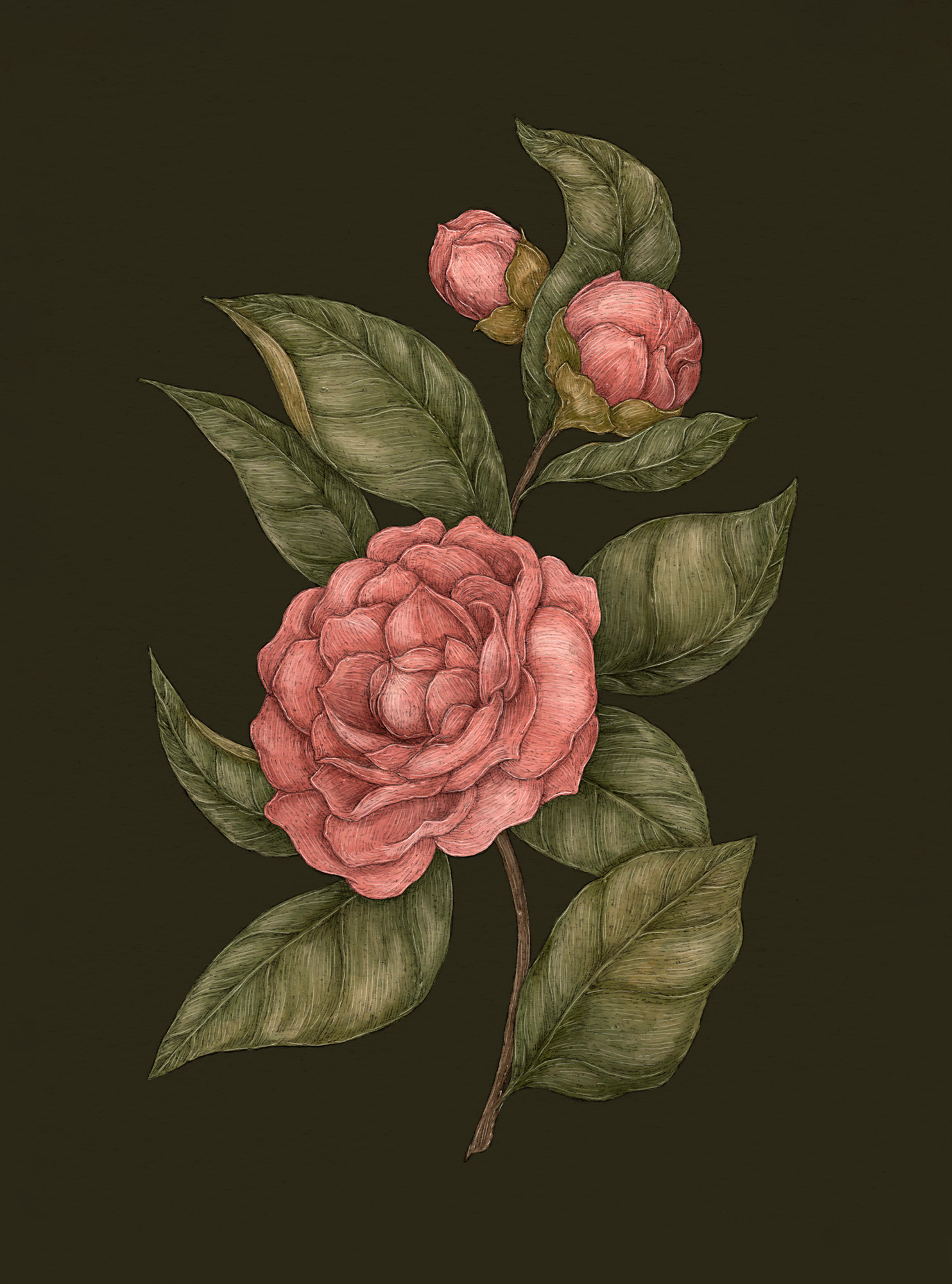
Meaning:
Longing for you
Origin:
The camellia’s meaning originates with the 1848 Alexandre Dumas novel, La dame aux camélias, which tells the tragic love story of Armand Duval—a young bourgeois—and Marguerite Gautier, a courtesan. The two fall in love, but their relationship is undermined by Armand’s father. Fearing scandal, he convinces Marguerite to leave Armand. Armand mourns his beloved, but he doesn’t pursue her, believing she has left him for another man. Meanwhile, Marguerite falls ill with consumption. She dies alone, pining for Armand and what could have been.
Pair with …
Daffodil to show longing for an unrequited love Zinnia as a gift for a friend who is moving away
CARNATION - Dianthus caryophyllus
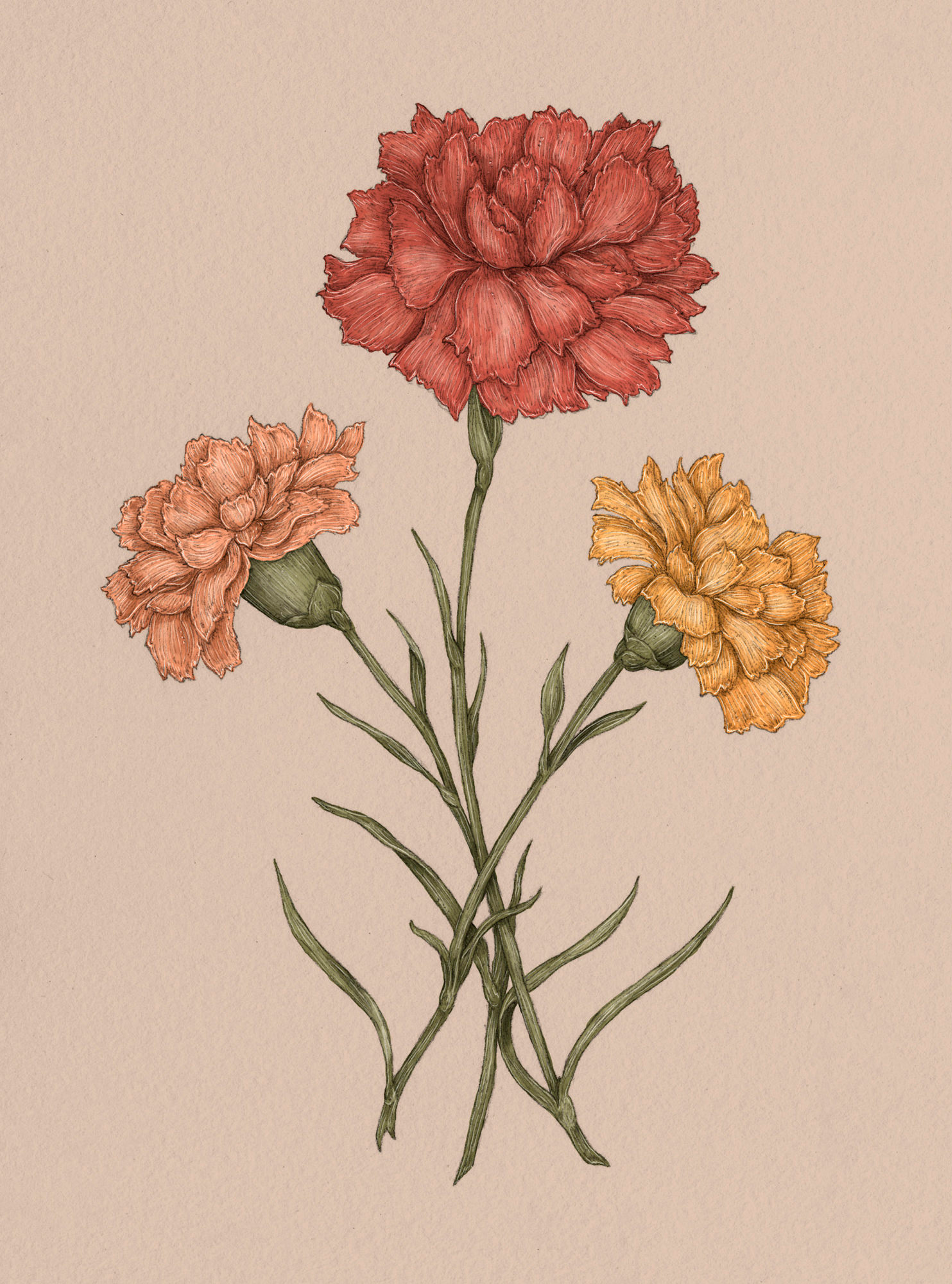
Meaning:
Mother’s eternal love Heartache
Origin:
The meaning behind carnations can be traced back to the Crucifixion of Christ; carnations are said to have appeared where the Virgin Mary’s tears fell, leading to their association with heartache and a mother’s eternal love for her son. Additionally, the common name “carnation” may refer to Christ as the incarnation of God as man.
Pair with …
Mint or snowdrop to console the loss of a child Heather for a child going off to college
CATTAIL - Typha latifolia
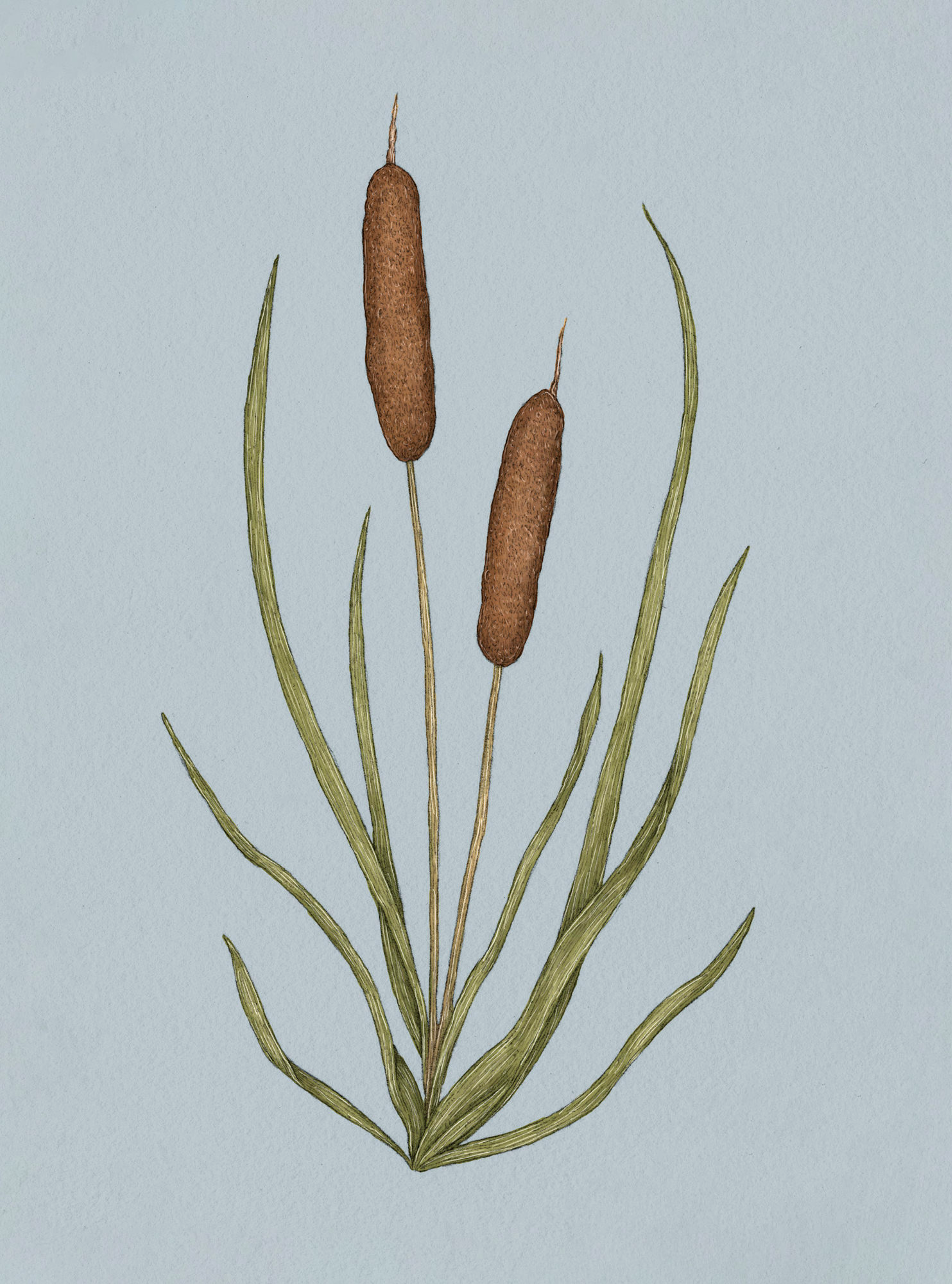
Meaning:
Peace and prosperity
Origin:
The cattail’s association with peace and prosperity is largely unexplained, but it may derive from the plant’s many domestic uses. Traditionally, the plant is used to weave baskets, to insulate clothing or bedding, as fuel for a hearth fire, and as food.
Pair with …
Wheat for a promotion at work Laurel for success in a new venture
CHAMOMILE - Matricaria
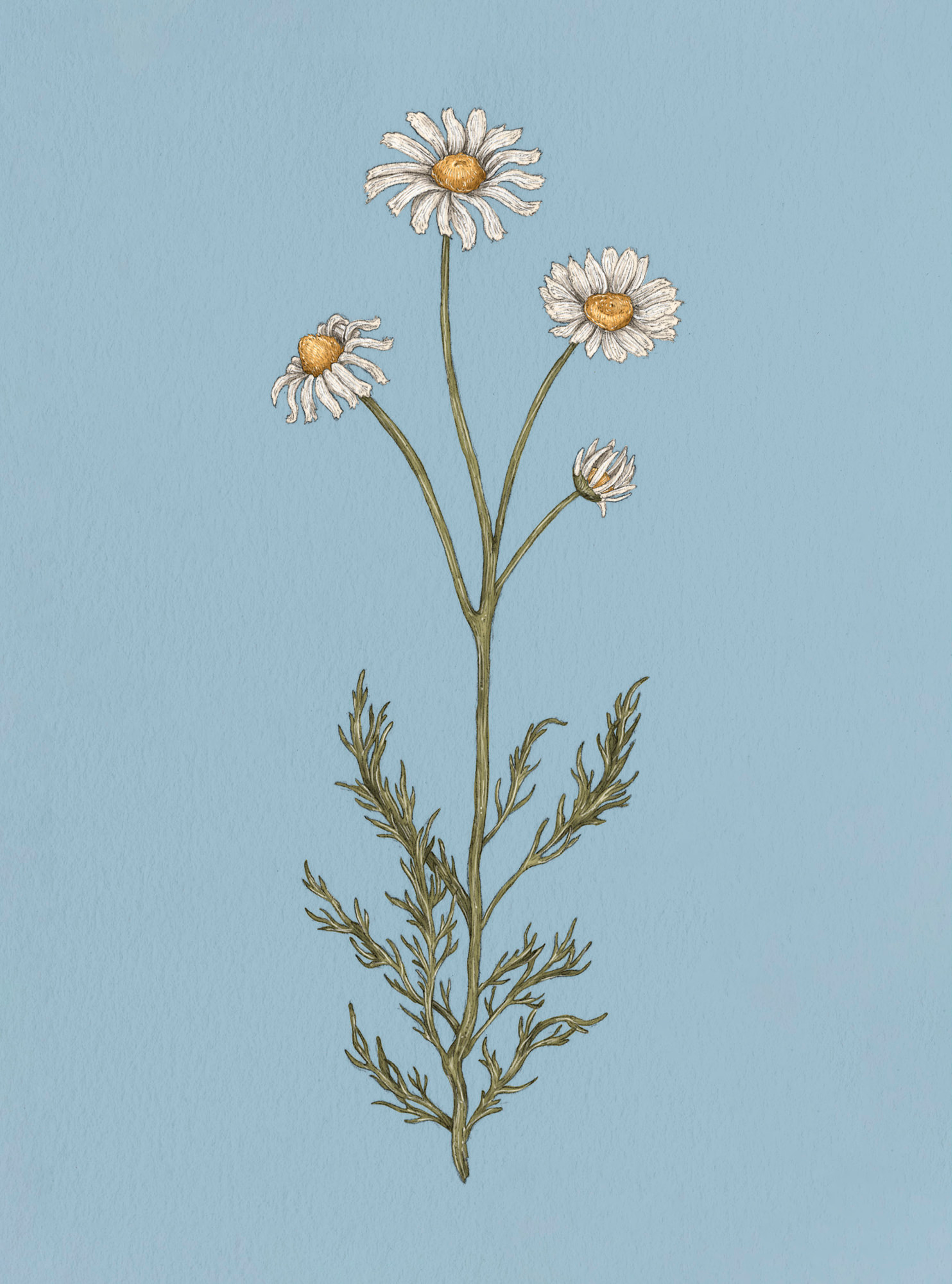
Meaning:
Energy in adversity
Origin:
Chamomile’s meaning may come from its many healing properties, which were first recognized in ancient Egypt. Brewed in tea, chamomile calms the nerves and promotes sleep, allowing the body and mind to rest and renew during times of stress. Chamomile is said to produce the healing energy and prolonged vigor needed to overcome adversity.
Pair with …
Dogwood to show that your love will overcome all obstacles Rose to indicate the strength of your love during a difficult time Nettle to show sympathy for unfair circumstances
CHRYSANTHEMUM - Chrysanthemum
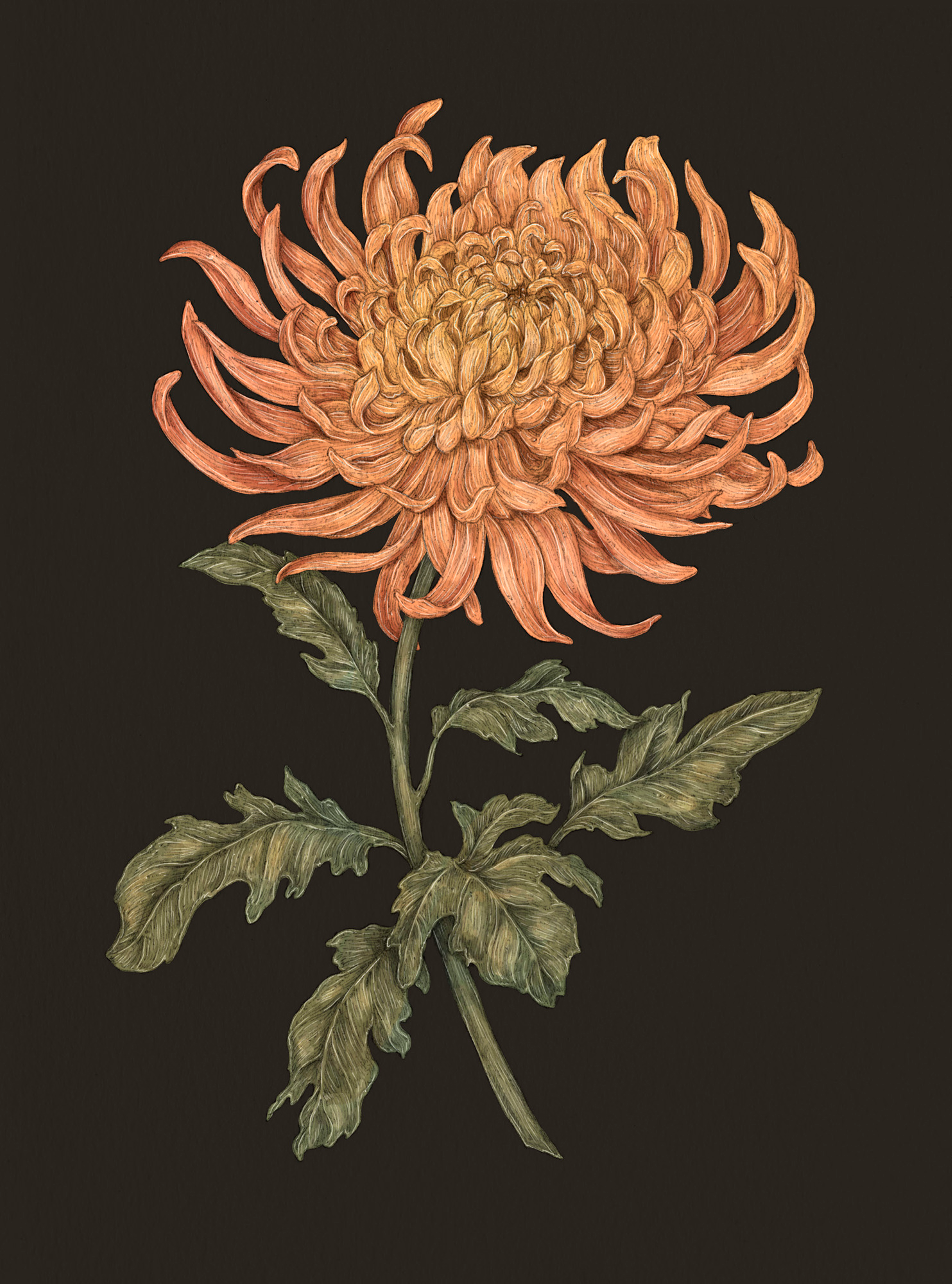
Meaning:
Condolences
Origin:
Autumn-blooming chrysanthemums are frequently used in funerals and placed on graves in many countries in Europe, including France, Belgium, Italy, and Spain. This ritual may derive from the practice of decorating graves on All Souls’ Day, a Christian holiday occurring in early November, when many blooms are difficult to find. The chrysanthemum is thought to be a token of comfort during a time of grieving.
Pair with …
Willow for a friend in grief Gladiolus for a broken heart
CLEMATIS - Clematis
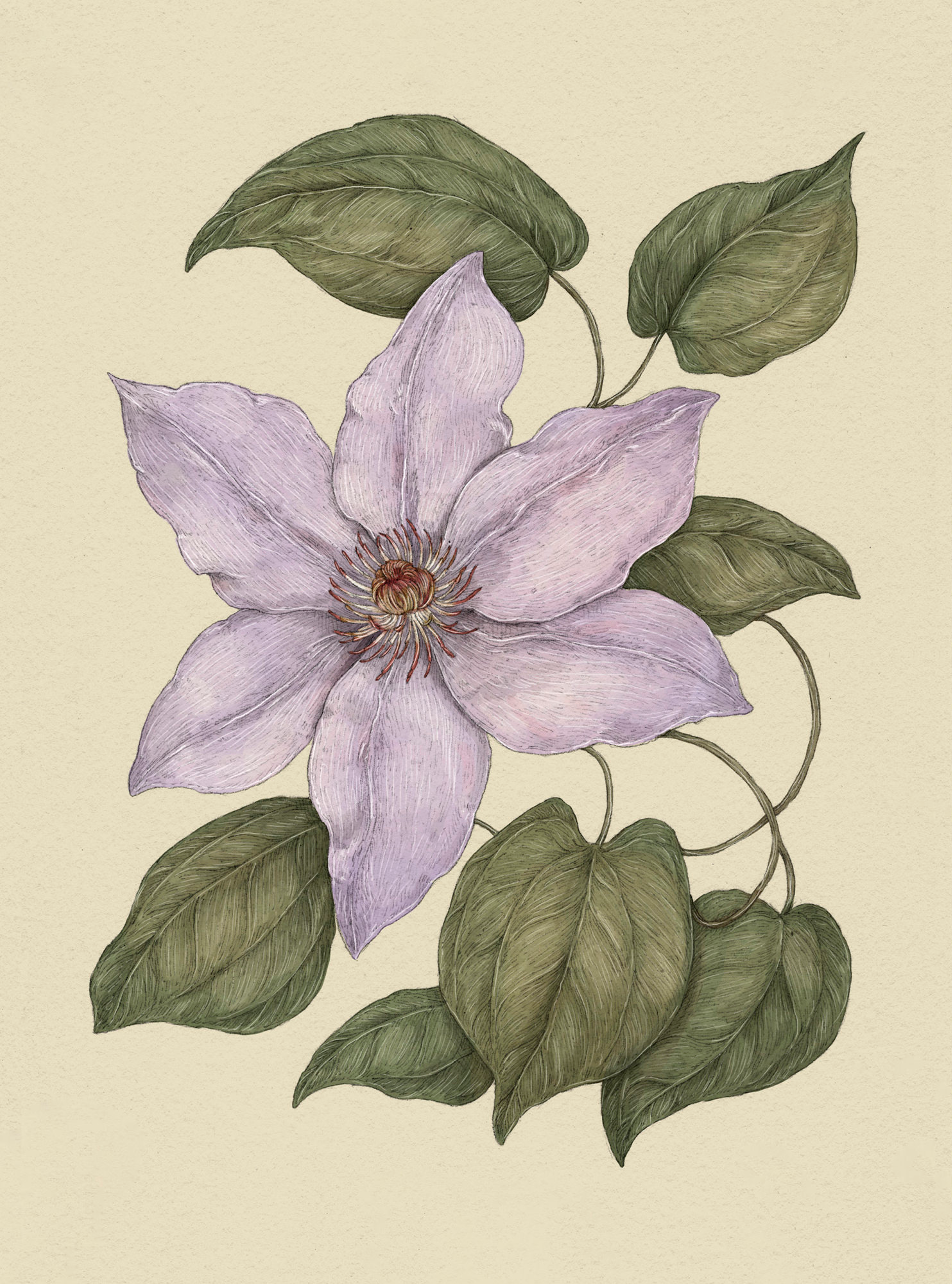
Meaning:
Ingenuity Cleverness
Origin:
Clematis, named for its cunning ability to climb up walls and trellises, is easily associated with cleverness and ingenuity. This vining bloom never fails to find its way up difficult terrain, often engulfing its surroundings once it has taken hold.
Pair with …
Rosemary and clover as a good luck gift before an exam Mistletoe to show your clever problem-solving will overcome challenge
CLOVER - Trifolium
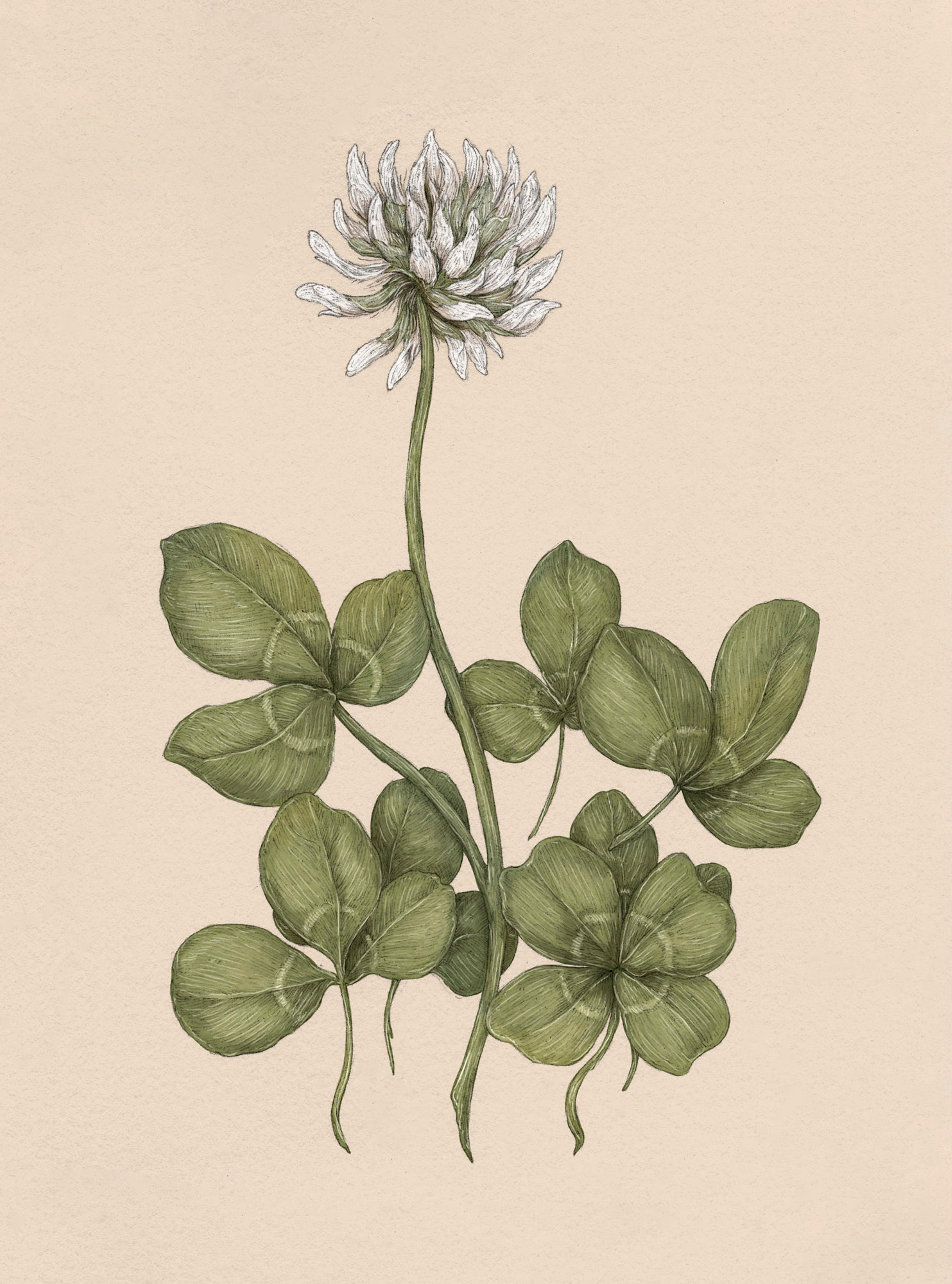
Meaning:
Good luck
Origin:
Clovers, in particular four-leaf clovers, have been associated with luck for centuries. The ancient Druids in Ireland believed that carrying a clover allowed one to detect evil spirits approaching. Similarly, in the Middle Ages, many Irish believed that carrying a four-leaf clover allowed one to see fairies. In 1620, in the earliest recorded mention of clover’s association with luck, Sir John Melton wrote, “If any man walking in the fields, find any foure-leaved grasse, he shall in a small while after find some good thing.”
Pair with …
Heather and wheat for good luck with a new business venture Apple blossom and dandelion to show hope that the recipient’s wishes will come true
COLUMBINE - Aquilegia
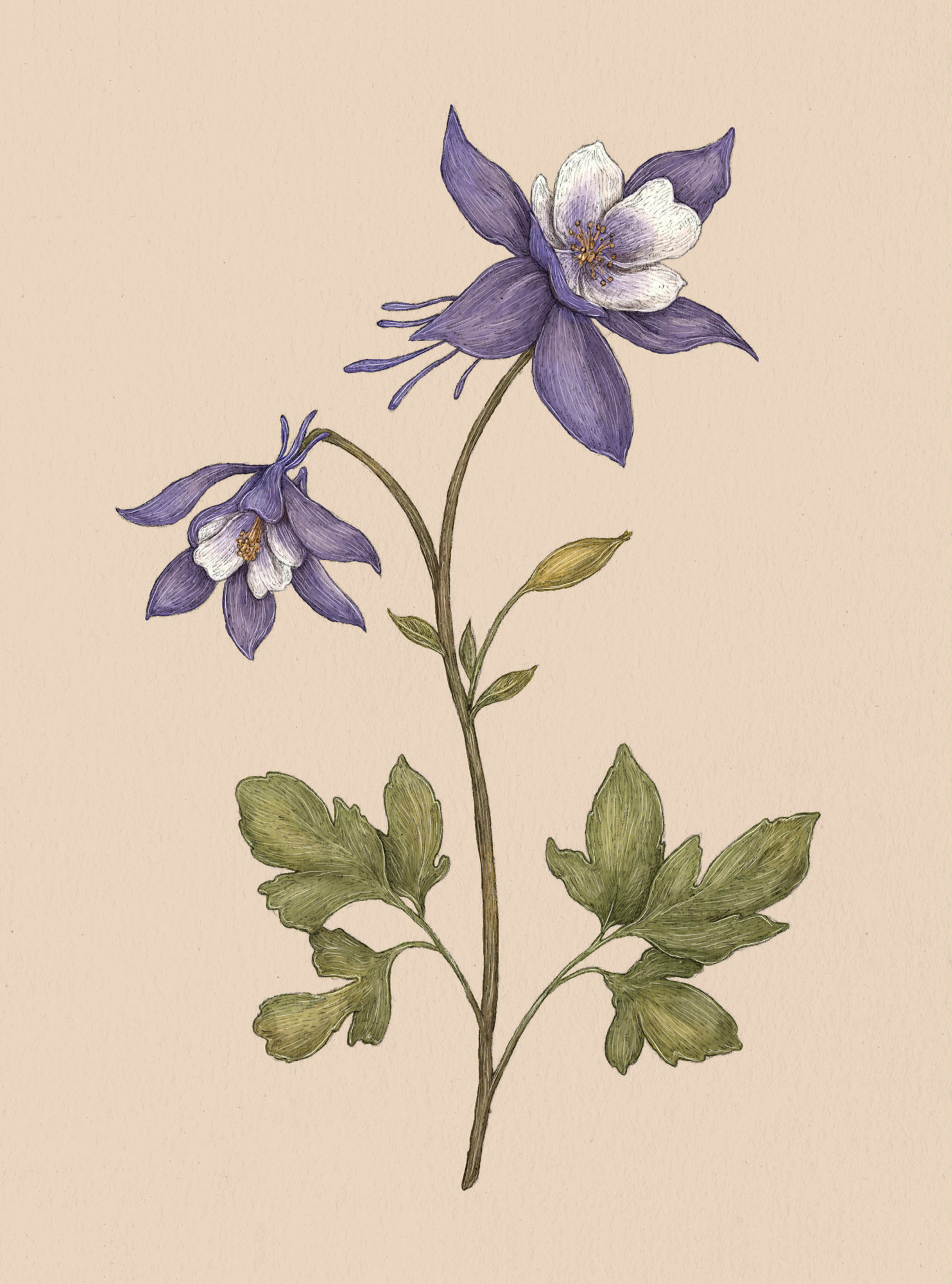
Meaning:
Foolishness
Origin:
Columbina was the name of a recurring character in the commedia dell’arte of early modern Italy. A mistress of the jester or “fool,” Harlequin, Columbina was known for her loud and gossipy nature. The columbine’s association with foolishness may stem from Columbina’s love of the fool, or her own readiness to make a fool of herself and others. The unusually shaped bloom of the columbine also resembles a court jester’s hat.
Pair with …
Asphodel to ask for forgiveness for an imprudent mistake Protea to show you’re working to make a big change and correct past mistakes
CORNFLOWER - Centaurea cyanus
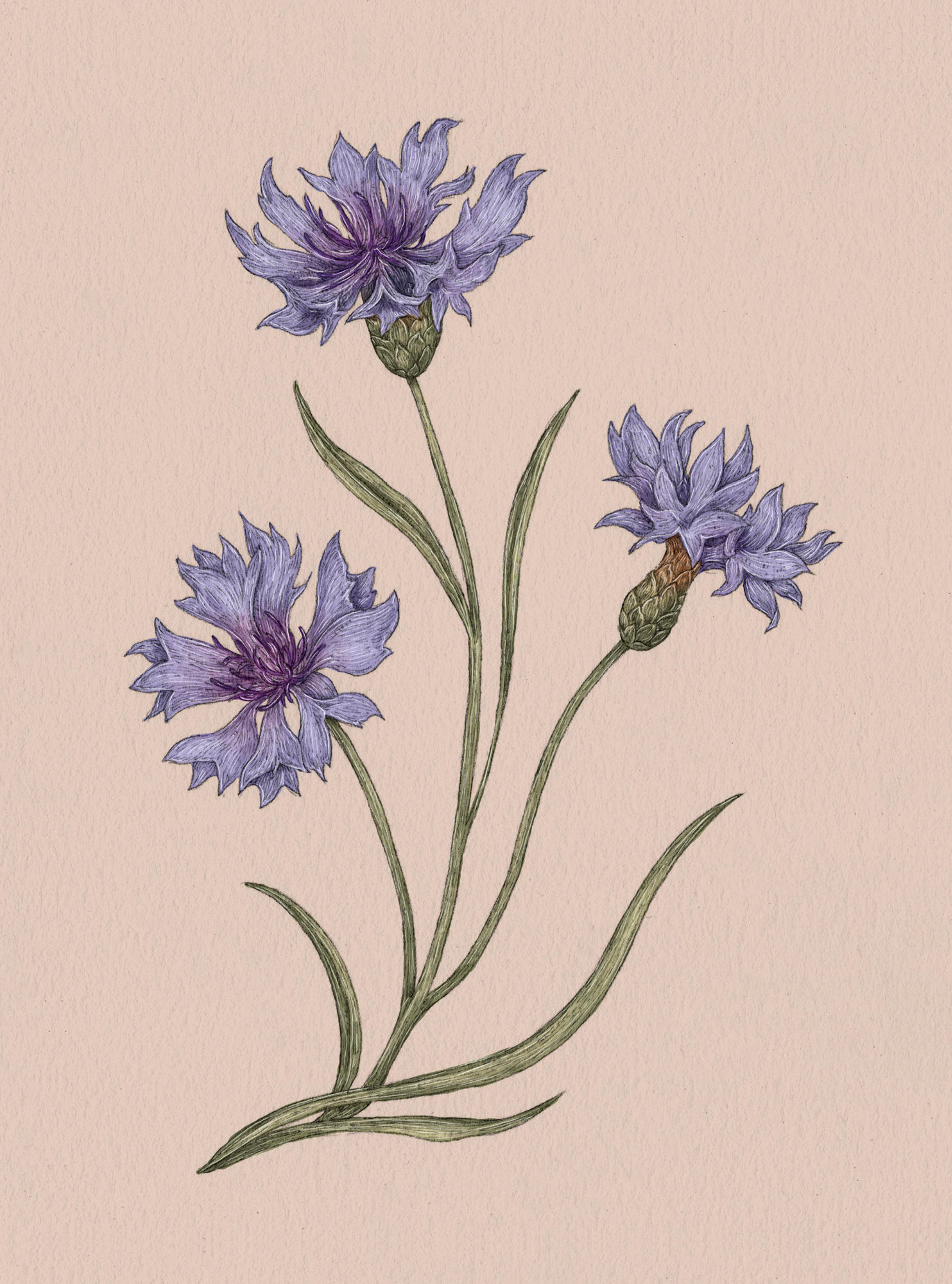
Meaning:
Hope in love
Origin:
Folklore surrounding the cornflower, also called a “bachelor’s button,” states that a young man is to wear the flower when he is in love. If the flower dies quickly, it means his adoration is unrequited. However, if the flower maintains its bloom, there is hope that the young man’s love will be returned.
Pair with …
Lilac as a gift for a first love Sweet William to show you will always be true
COWSLIP - Primula veris
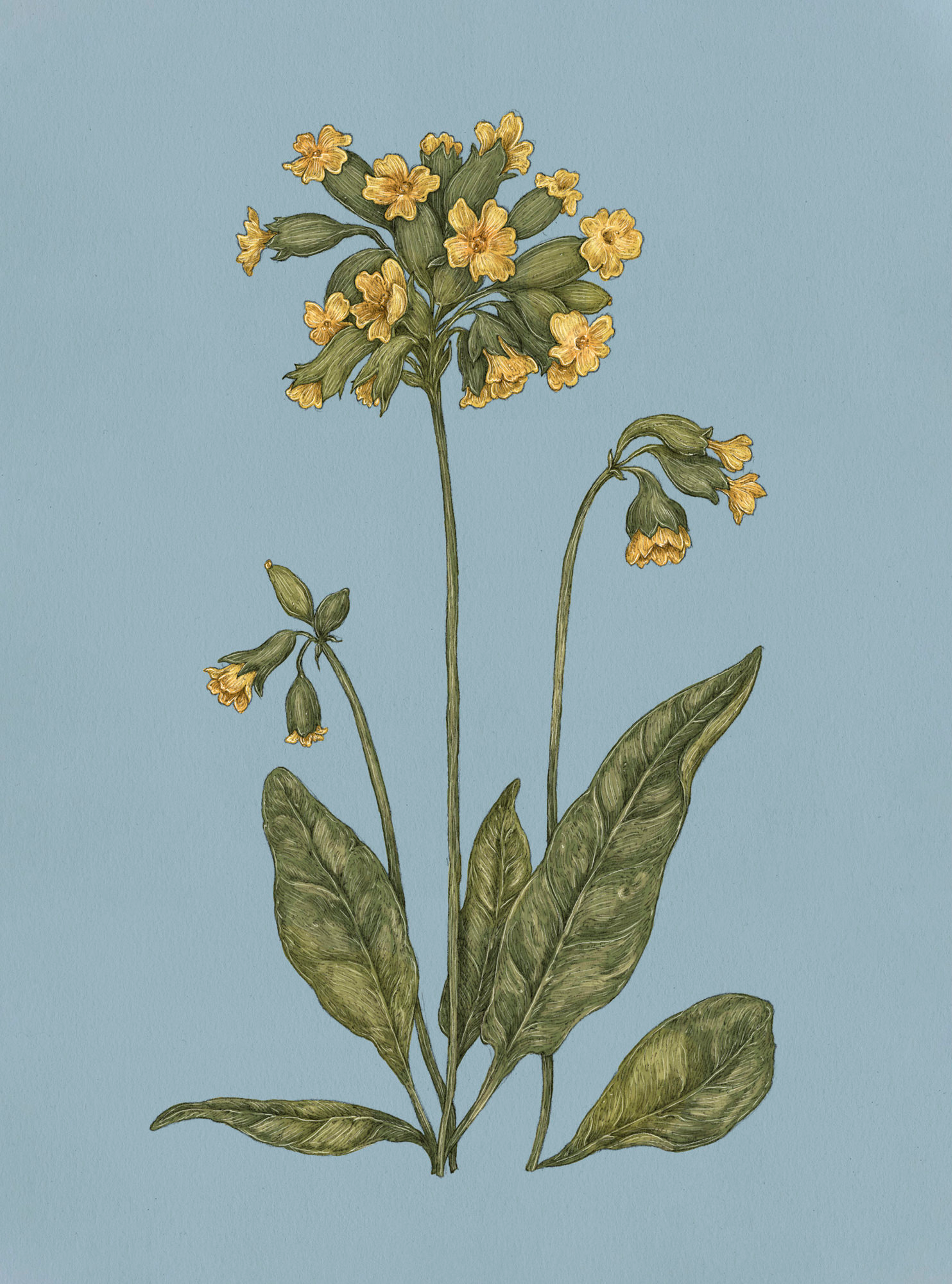
Meaning:
Winning grace
Origin:
Cowslip gets its meaning from a story told about Saint Peter, the gatekeeper of Heaven. He accidentally dropped his keys, and when they fell to Earth, they turned to cowslip. Cowslip is also known as the “key flower,” because its flowers resemble a ring of golden keys. The legend suggests that those who find the flower can “win grace” and enter into Heaven.
Pair with …
Hawthorn for hope in a new prospect Honeysuckle as a gift when meeting your significant other’s parents
CROCUS - Crocus
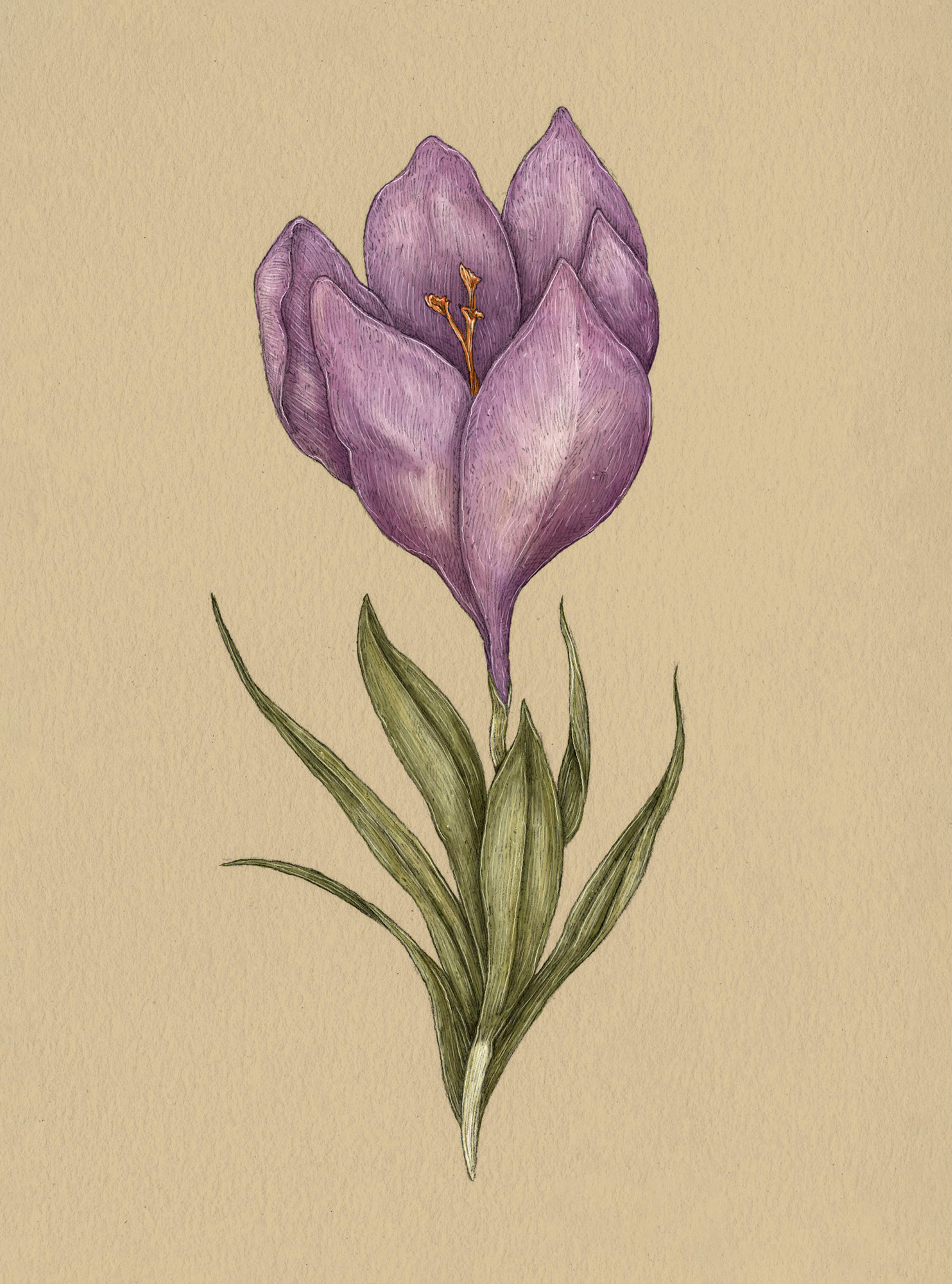
Meanings:
Cheerfulness Youthful glee
Origin:
Crocuses are some of the first flowers to bloom in the frost and snow; their cheerful petals and sunshine yellow filaments emerge to welcome spring. Perennial flowers that pop up each year, crocuses are also associated with youthful glee.
Pair with …
Daisy for the start of a new school year Buttercup as a gift for a charming young friend
CYPRESS - Cupressus
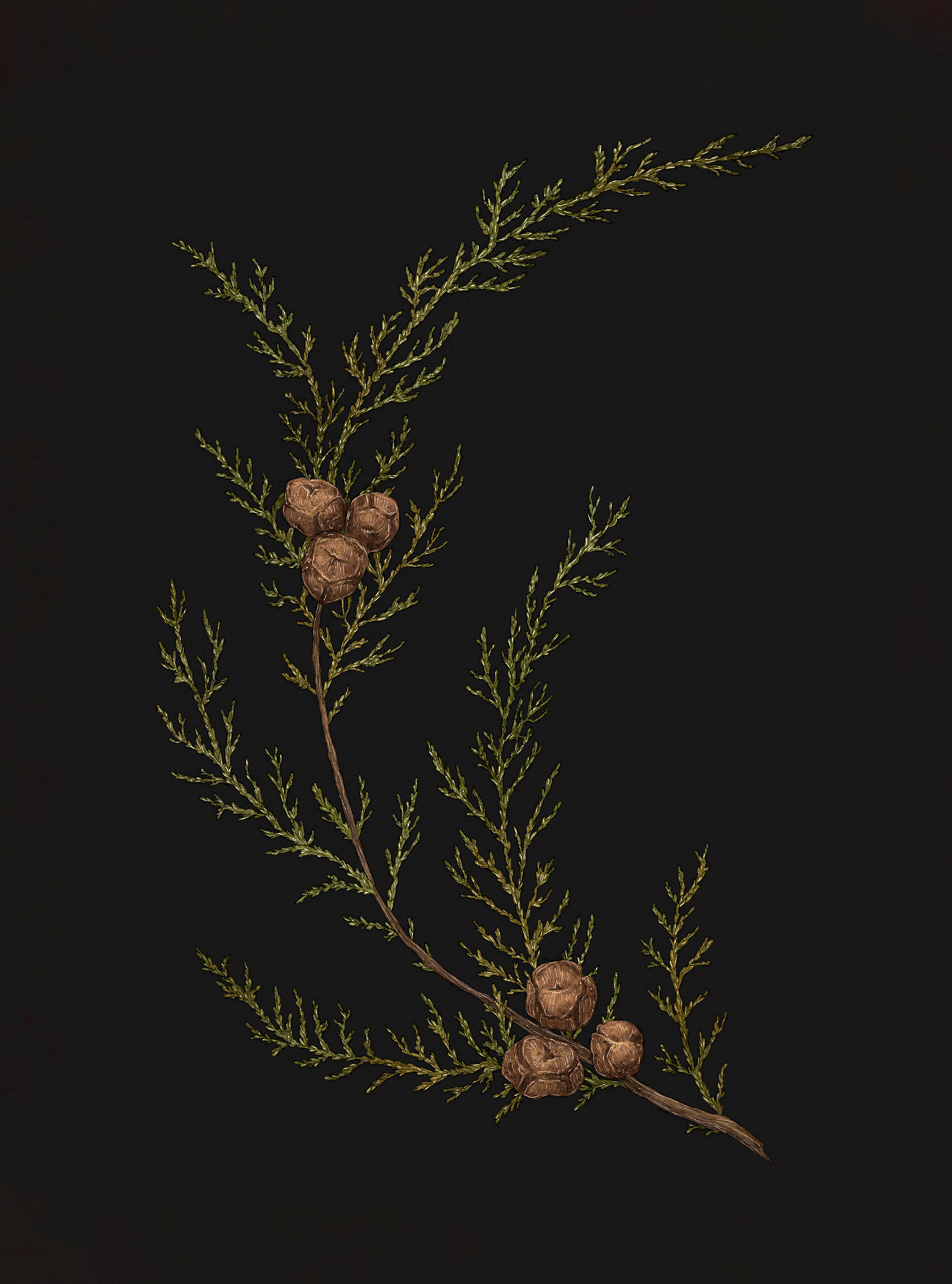
Meanings:
Death Mourning
Origin:
The cypress tree has been a symbol of mourning and death since classical antiquity, and it remains the tree most commonly planted in cemeteries in both Europe and the Middle East. In the Greek myth from which the tree gets its name, Cyparissus accidentally killed his beloved companion, a tame stag. He was so overcome by grief that he was transformed into a cypress tree.
Pair with …
Marigold and ivy for a grieving friend Orange blossom to indicate your eternal devotion to a recently deceased loved one
DAFFODIL - Narcissus
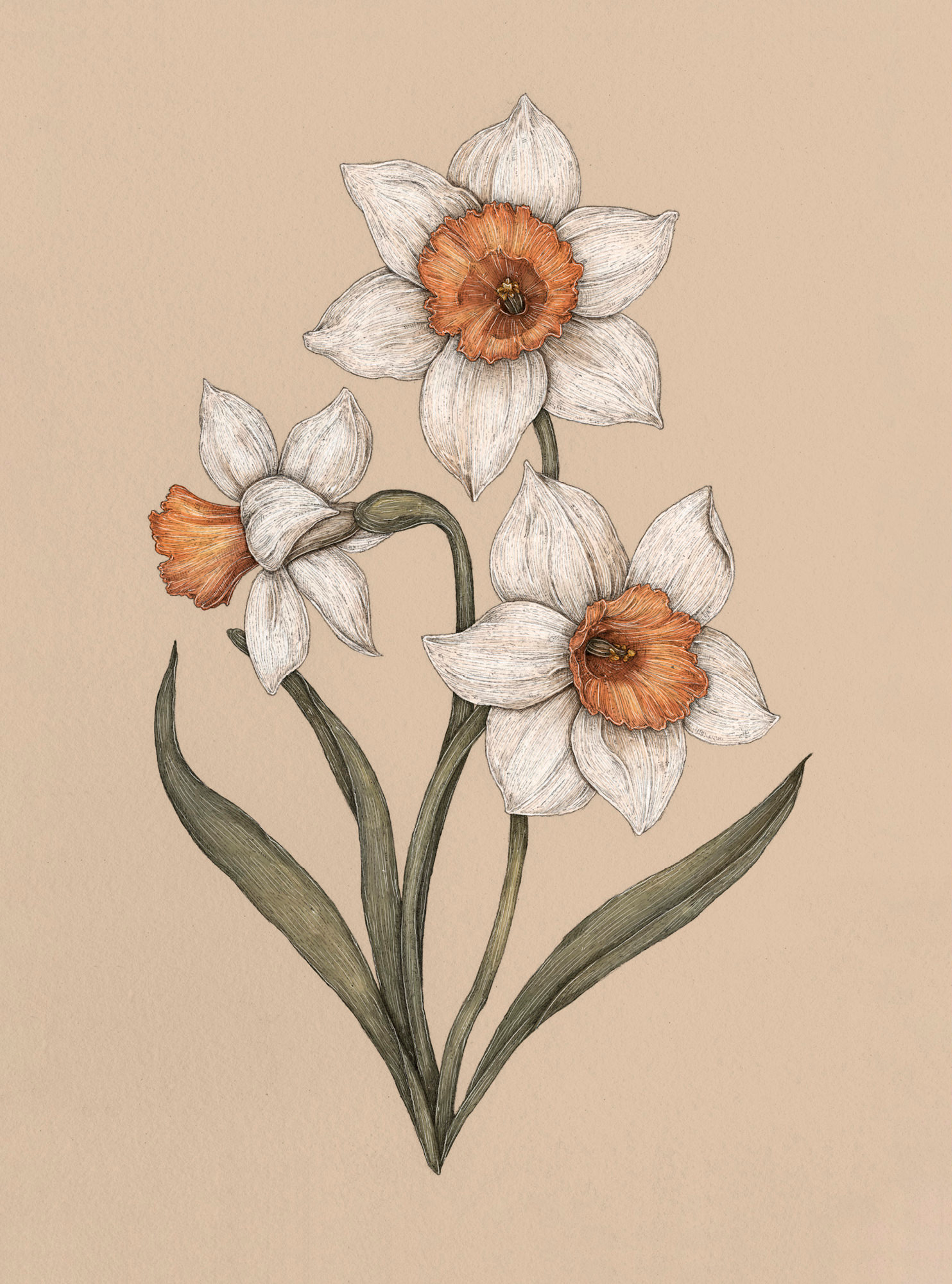
Meaning:
Unrequited love
Origin:
The Greek legend of Narcissus, from which the scientific name of this plant derives, tells of a handsome and proud hunter who, upon seeing his reflection in the waters of a spring, falls in love with himself. Unable to part from his own image, he eventually perishes. A daffodil then blooms to mark his grave.
Pair with …
Clover for hope for change Sweet pea to indicate giving up on an ill-suited romance
DAHLIA - Dahlia
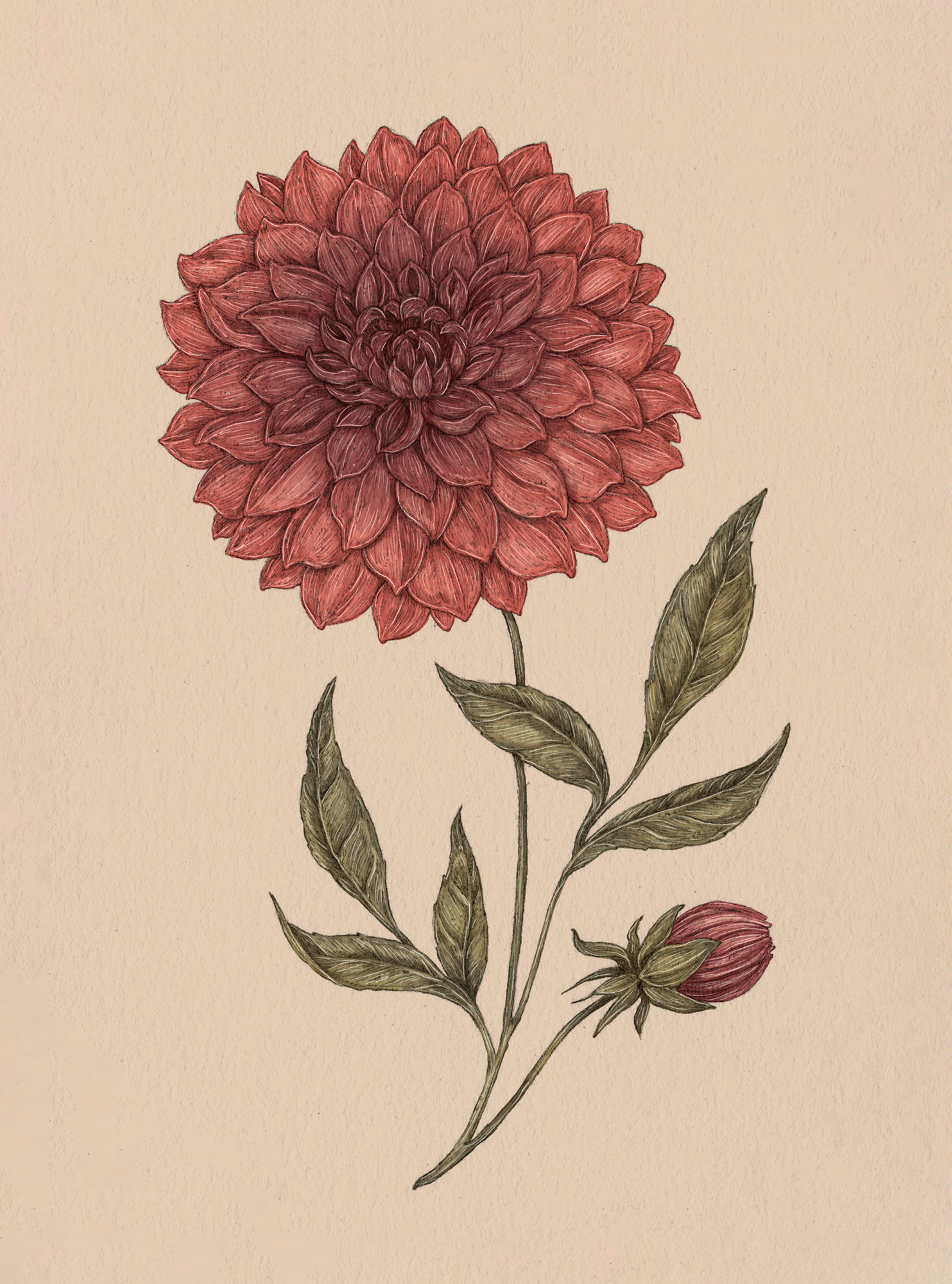
Meanings:
Eternal love Commitment
Origin:
The dahlia flower is often called the “Queen of the Autumn Garden” because it blooms for an extended period of time, living well into the fall months. Frequently used in wedding bouquets during the Victorian era, the flower symbolized longevity and commitment.
Pair with …
Tulip for a newly engaged couple Myrtle to show love and devotion
DAISY - Bellis
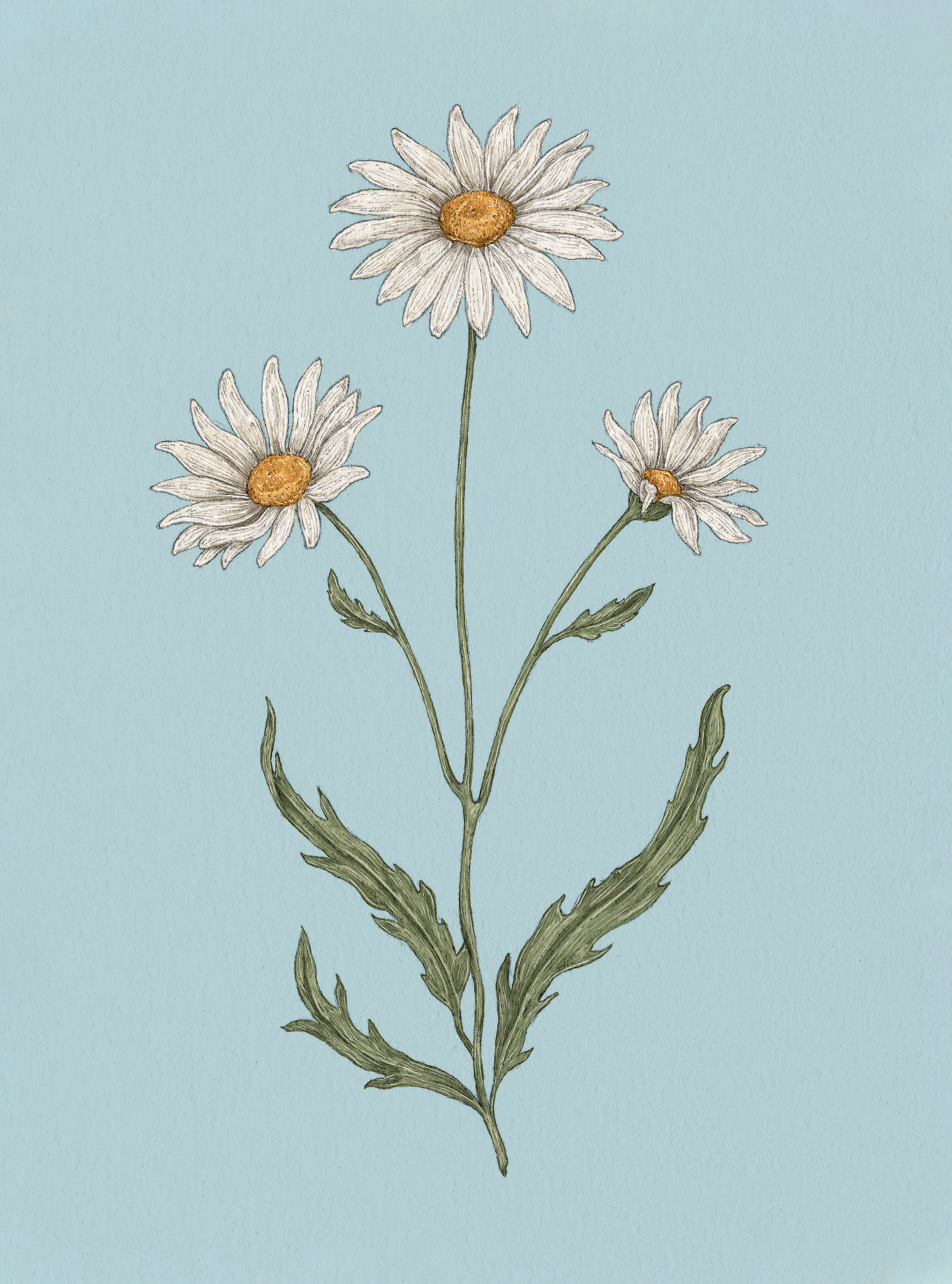
Meaning:
Innocence Childhood Purity
Origin:
The daisy is associated with innocence, childhood, and purity in a number of folklore traditions. In Norse mythology, the daisy is tied to Freya, the goddess of fertility, motherhood, and childbirth. In Celtic tradition, daisies grew for the spirits of children who died in birth. And in ancient Roman mythology, the nymph Belides turns herself into a daisy to preserve her innocence while she’s pursued by Vertumnus, the god of the seasons.
Pair with …
Baby’s breath as a gift for a newborn baby Peony and violet for an expression of childhood bliss
DANDELION - Taraxacum
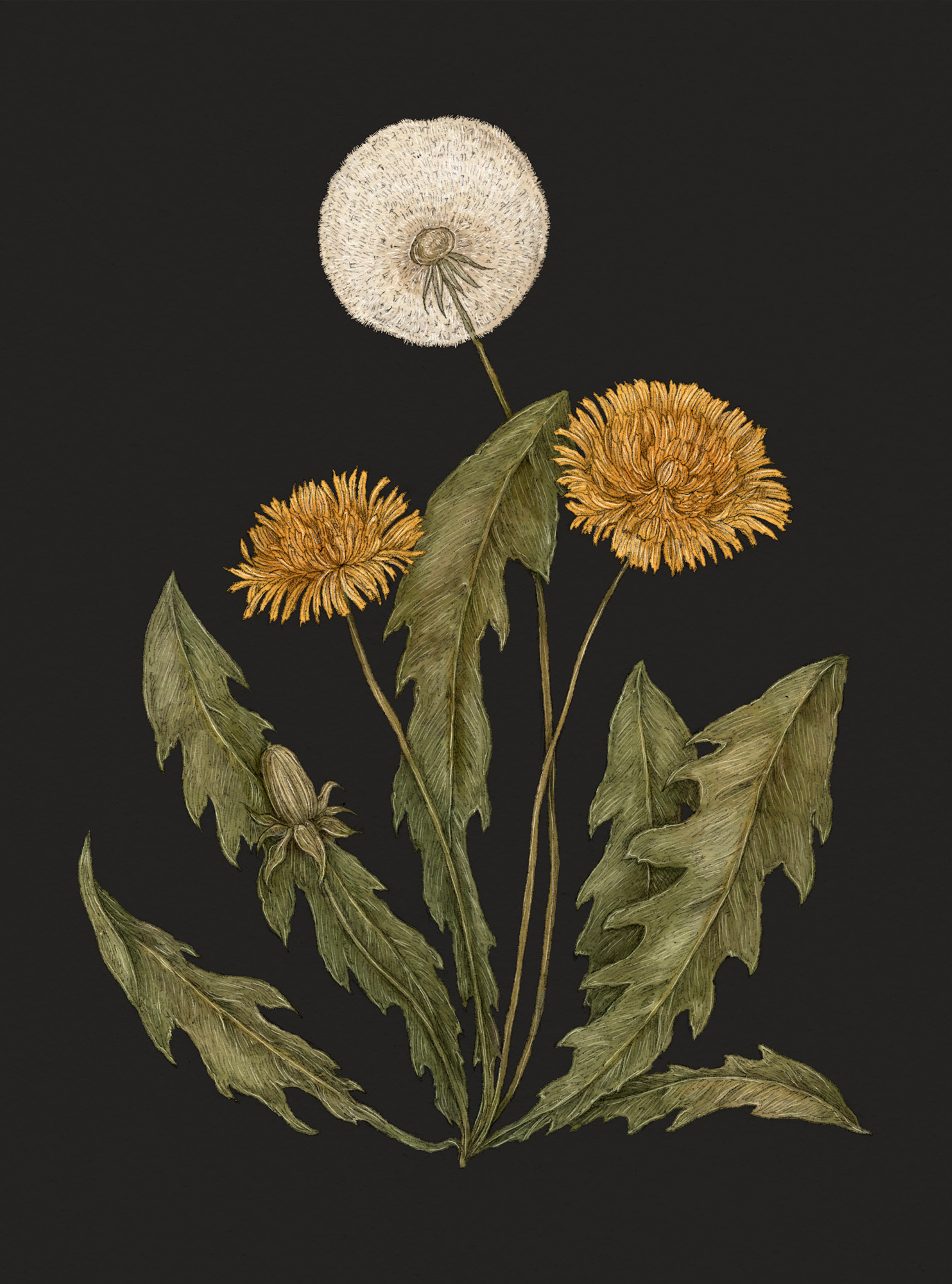
Meaning:
Divination Fortune-telling
Origin:
Dandelions are associated with wishes and fortune-telling; it’s customary in many Western cultures to make a wish while blowing on the dandelion’s “puff,” dispersing its seeds. More practically, dandelions have been used to predict the weather, as their puffs will stay closed in inclement weather and open when sunny, clear skies are on the way.
Pair with …
Ferns for a magical solstice celebration Foxglove and holly to indicate the ability to solve future problems
DATURA - Datura
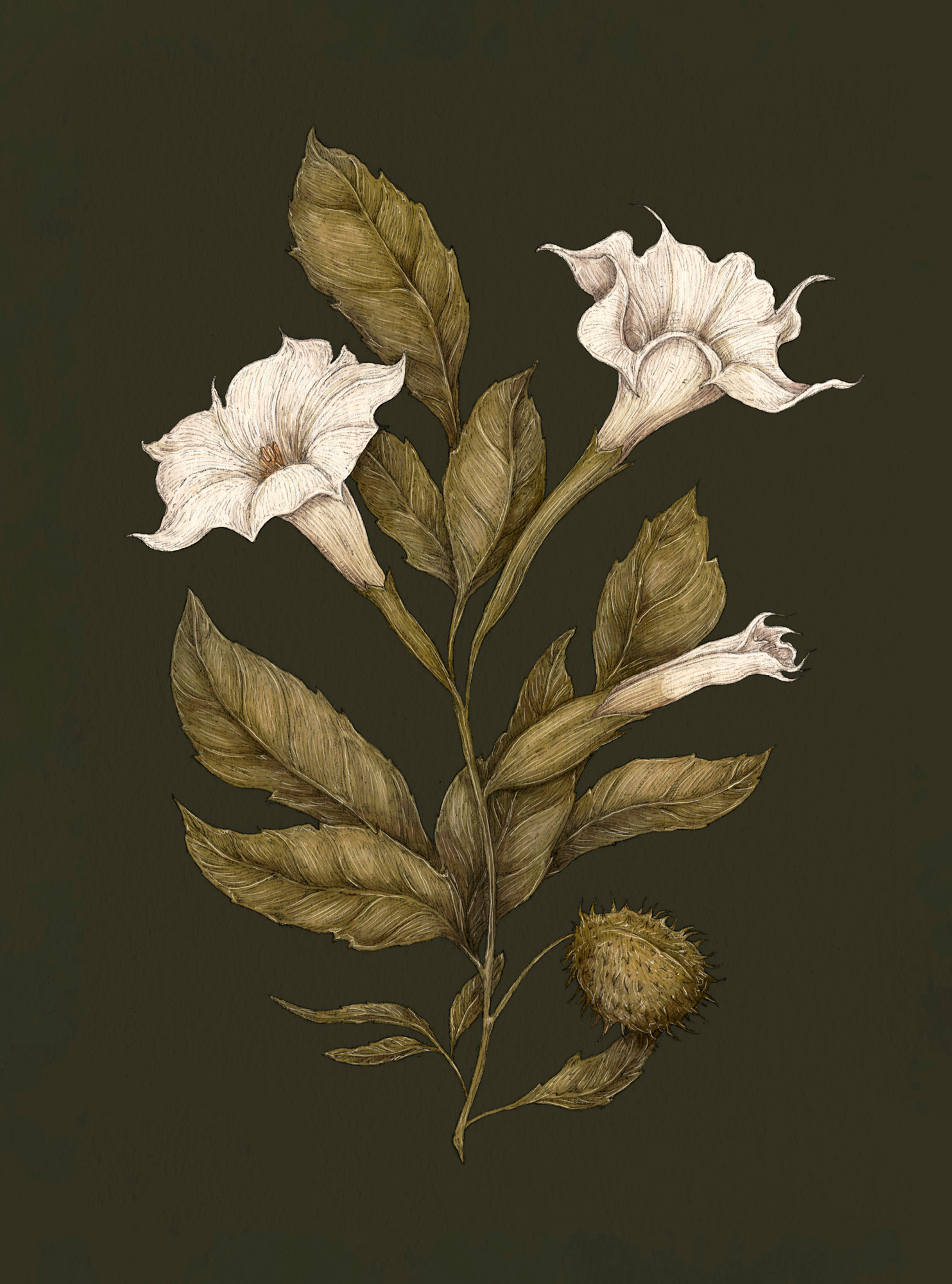
Meaning:
Deceitful charms
Origin:
Datura, while it may charm you with its beautiful appearance, is extremely poisonous if ingested. The flowers, also known as “devil’s trumpets,” are said to have been used in early European witchcraft as an ingredient in the ointment that allowed witches to fly on their broomsticks.
Pair with …
Wormwood for a spurned lover Thistle for a friend going through a breakup
DOGWOOD - Cornus
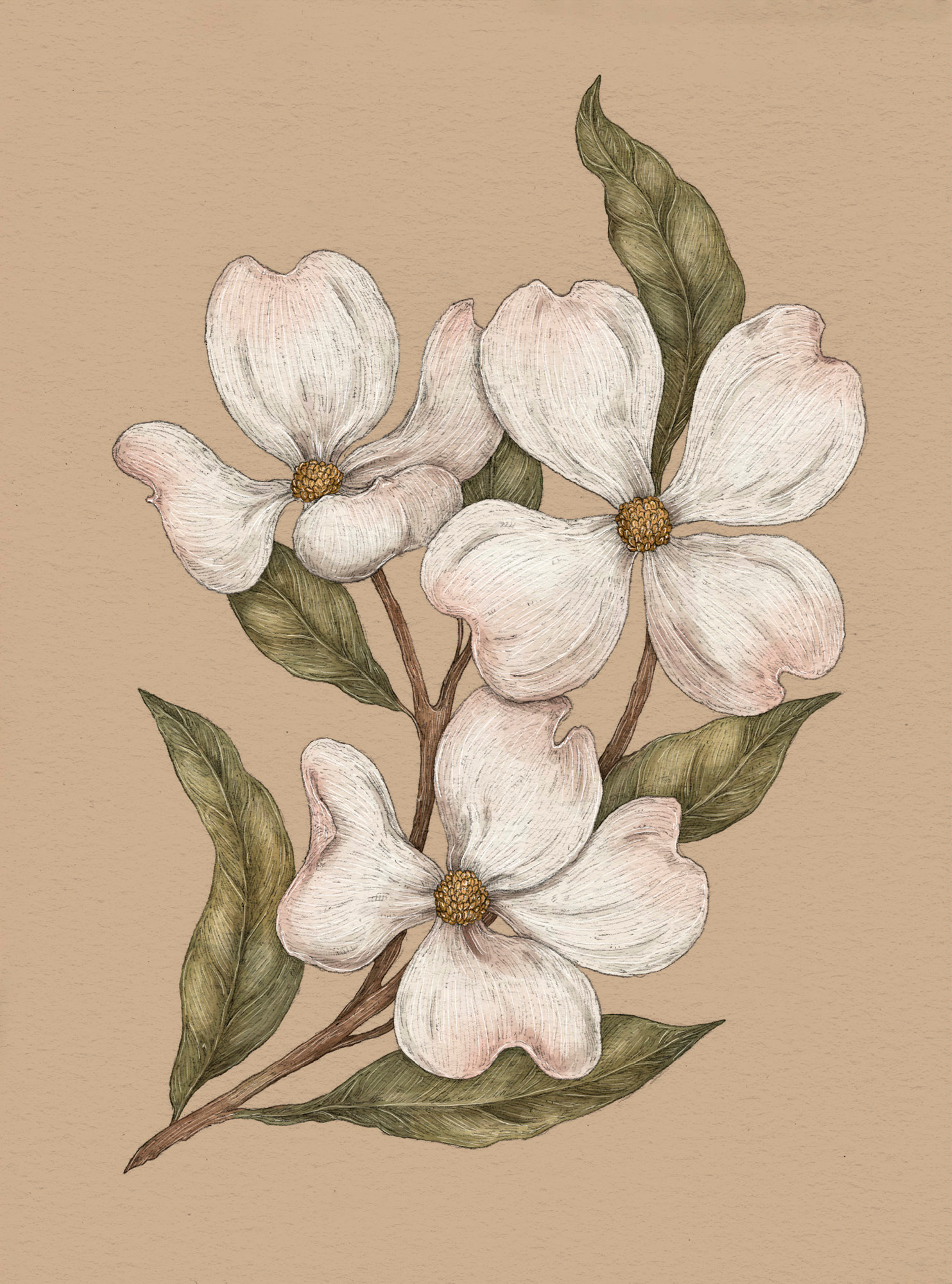
Meaning:
Our love will overcome adversity
Origin:
The gentle and whimsical blooms of the dogwood tree look delicate, but the wood of its trunk is strong and durable. Victorian lovers used this flower to indicate that their love could endure any trial.
Pair with …
Hellebore for strength to overcome scandal Monkshood for chivalry in the face of an obstacle
EDELWEISS - Leontopodium
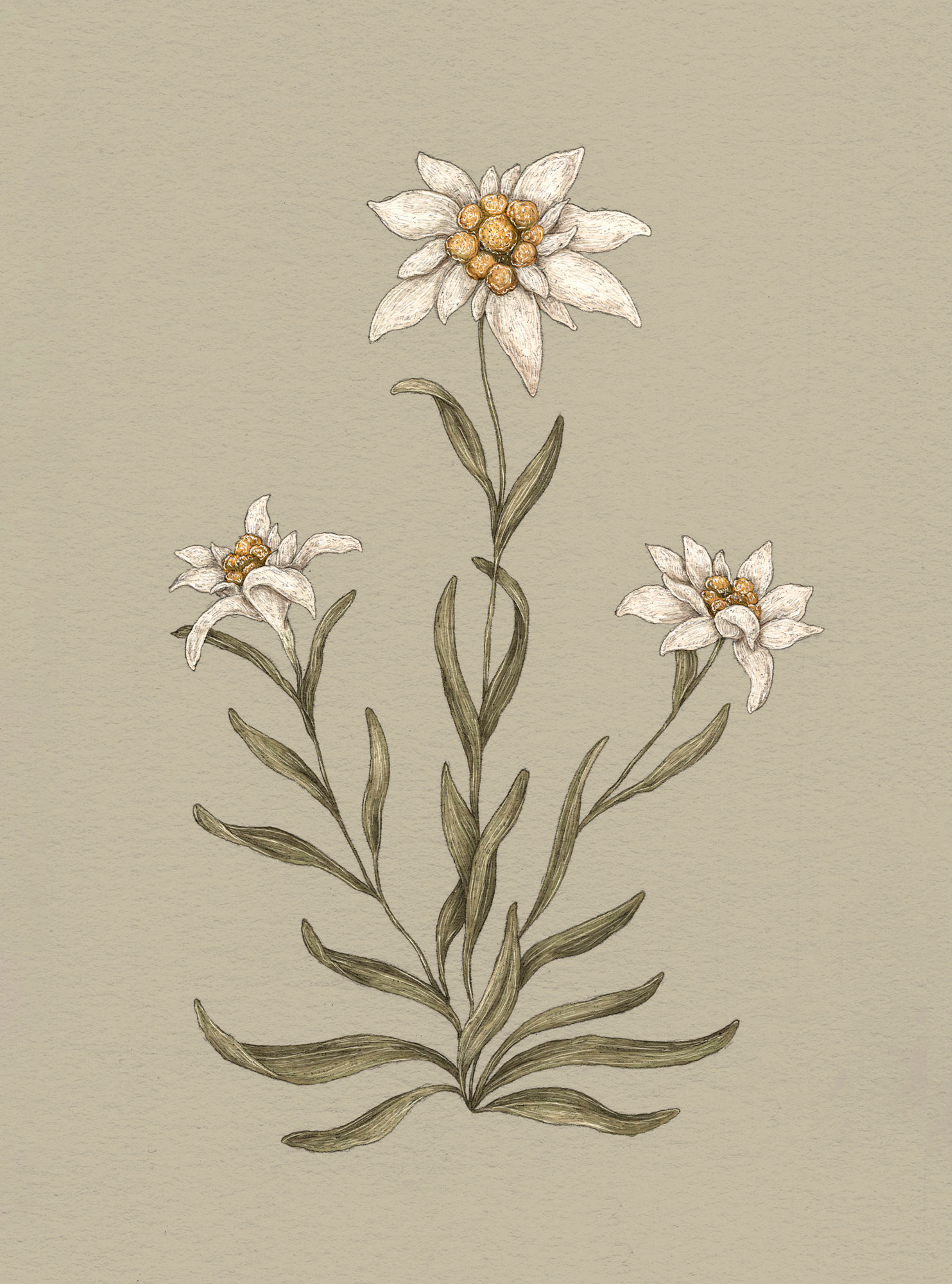
Meanings:
Courage Daring
Origin:
Because the star-shaped, white edelweiss flower blooms high in the Alps, collecting the blossoms is a dangerous task. For this reason, procuring edelweiss for your lover was thought to be a feat of great courage and devotion.
Pair with …
Lily and laurel for a friend embarking on a new career Sweet William to show the recipient your gallant courage
EUCALYPTUS - Eucalyptus
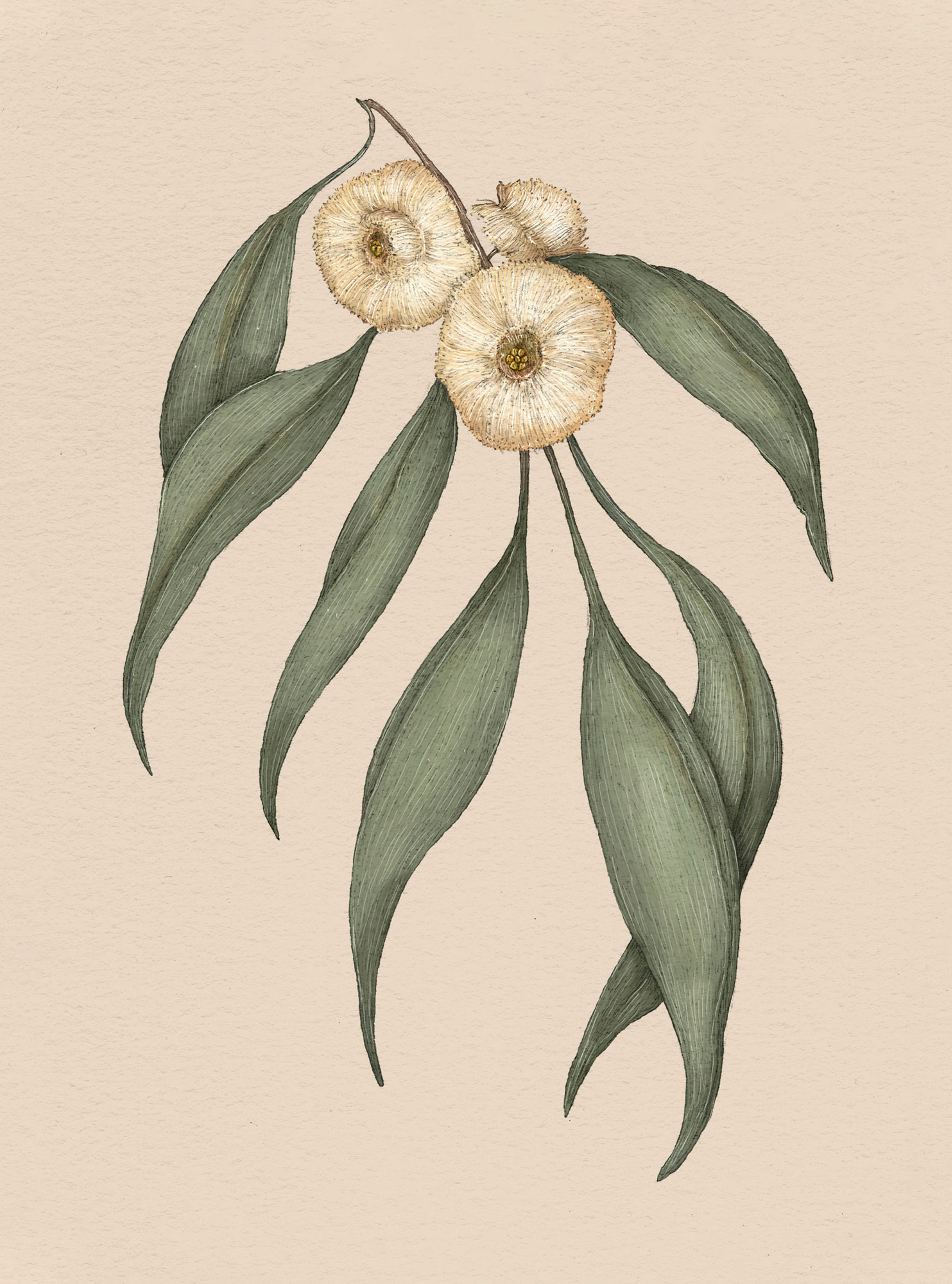
Meaning:
Protection
Origin:
Aboriginal peoples used eucalyptus oil to disinfect, soothe, and treat many common ailments, thus providing protection from illness. Named by Charles Louis L’Héritier de Brutelle in 1788, eucalpytus’s name comes from the Greek roots eu and kalyptós, translating to “well” and “covered,” again suggesting protection.
Pair with …
Heather for good luck to a friend embarking on a journey Queen Anne’s lace to wish the recipient safe travels
FERN - Adiantum
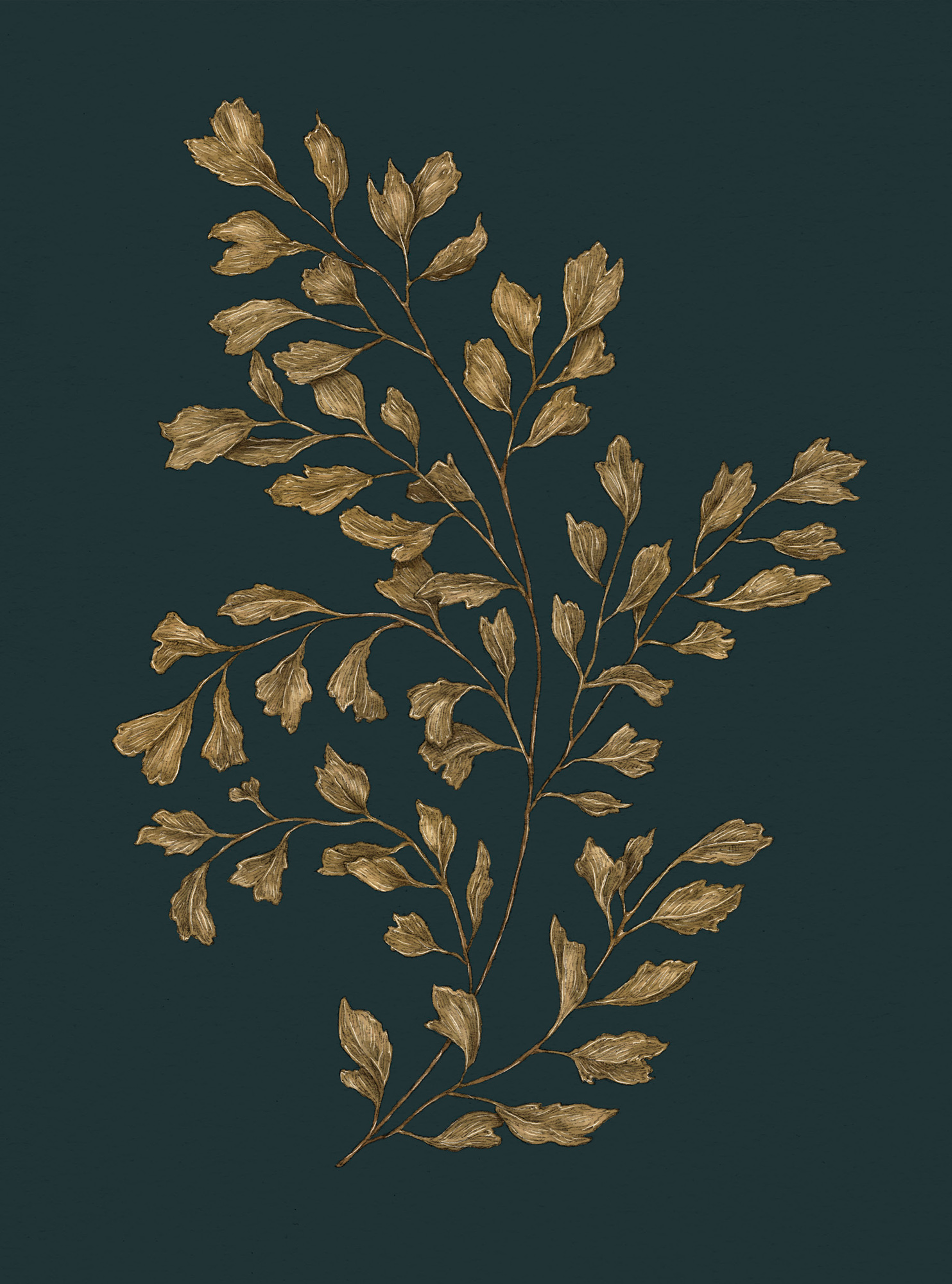
Meaning:
Magic Secrecy
Origin:
Ferns grow in wet areas, yet their leaves repel water. This curious quality led ferns to be associated with magic and secrecy. The genus Adiantum, which comes from the Greek for “unwetted,” honors ferns’ fascinating duality. Additionally, Venus, the Roman goddess of love and beauty, was said to have tresses of maidenhair ferns, which remained dry after she rose from the sea.
Pair with …
Foxglove for a secret love Poppy to show the recipient you think of them in your dreams
FORGET-ME-NOT - Myosotis
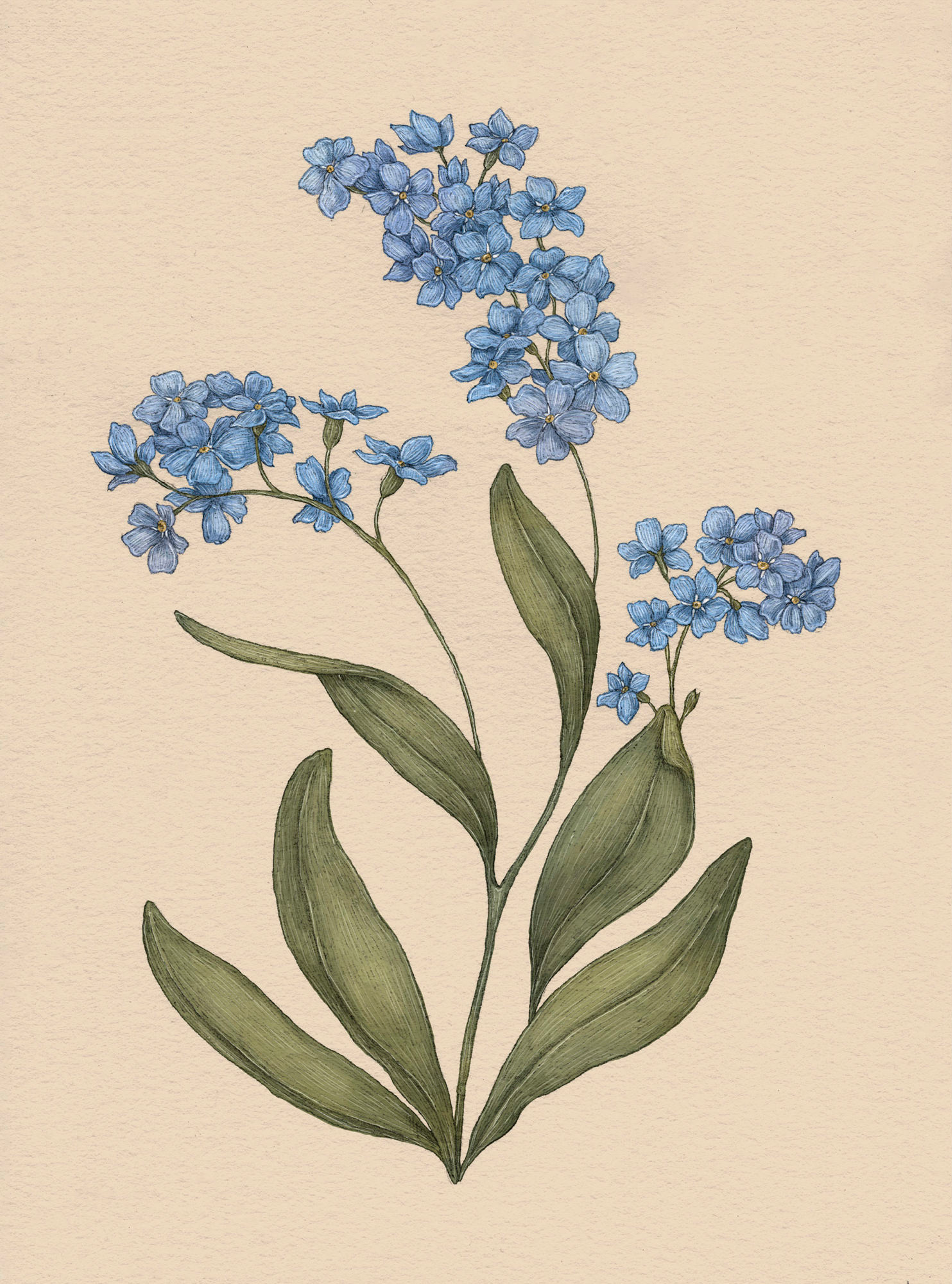
Meaning:
Forget me not
Origin:
The forget-me-not’s name and meaning originate with a German folktale about a young couple in love. While walking along a river, the bride-to-be stops to admire a cluster of beautiful blue flowers. Her lover attempts to pick the flowers for her, but he falls into the swiftly flowing river. He throws the flowers to her as the river carries him away, calling out to her, “Forget me not!”
Pair with …
Zinnia for a friend who is moving away Larkspur to say “remember the good times” Oak for a long-distance relationship
FOXGLOVE - Digitalis
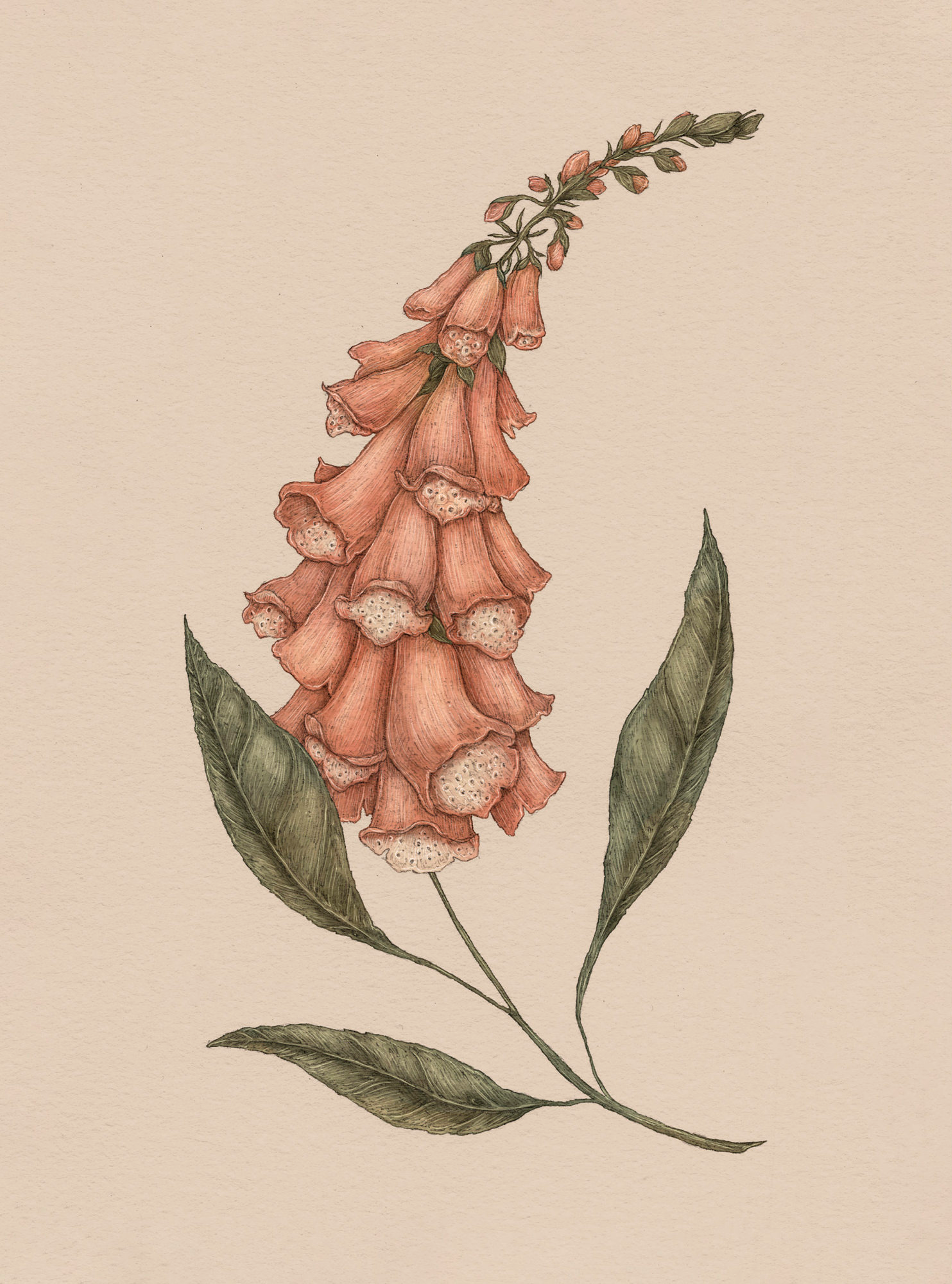
Meaning:
Riddles Secrets
Origin:
Foxglove has long been associated with fairy folklore in the British Isles. Its name may have been “folkglove” originally, as fae folk—or fairies—were said to hide within its blooms. Children who wished to see the fairies and hear their riddles would peer inside these flowers. Picking a foxglove, however, was thought to be bad luck, as it robbed the fairies of their homes; this rumor may have begun to keep children from touching these blooms, which could be deadly if consumed.
Pair with …
Lavender to warn a friend of an unfaithful love Hyacinth to ask for forgiveness for divulging a secret
GLADIOLUS - Gladiolus
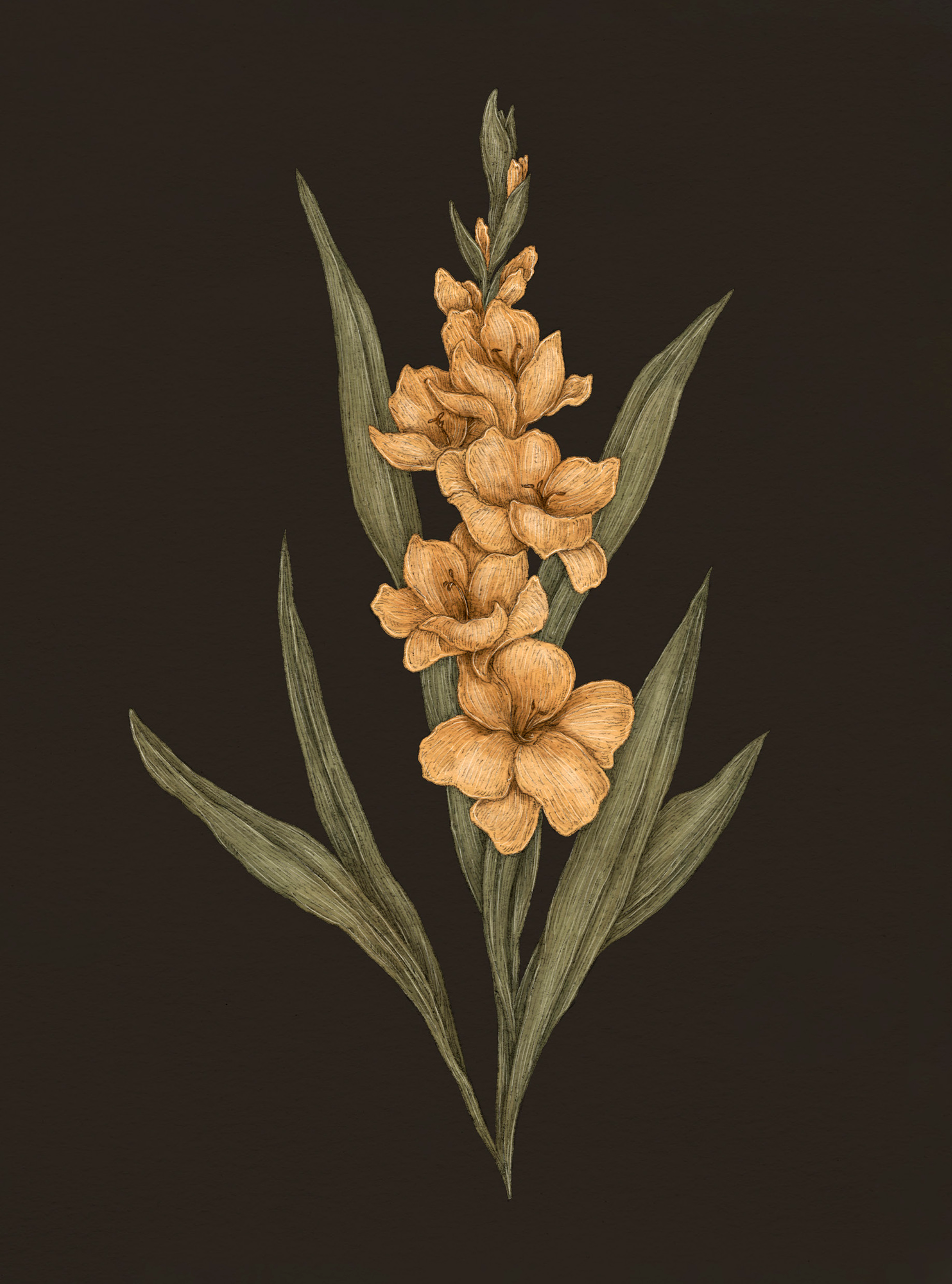
Meaning:
You pierce my heart
Origin:
In Latin, gladius translates to “sword,” hence the common nickname “sword lily” for this flower. Both the name and meaning of this large and imposing plant derive from the swordlike shape of its leaves.
Pair with …
Yarrow to heal a broken heart Anemone and daffodil for an unrequited love Hemlock and marigold for a friend in grief
HAWTHORN - Crataegus
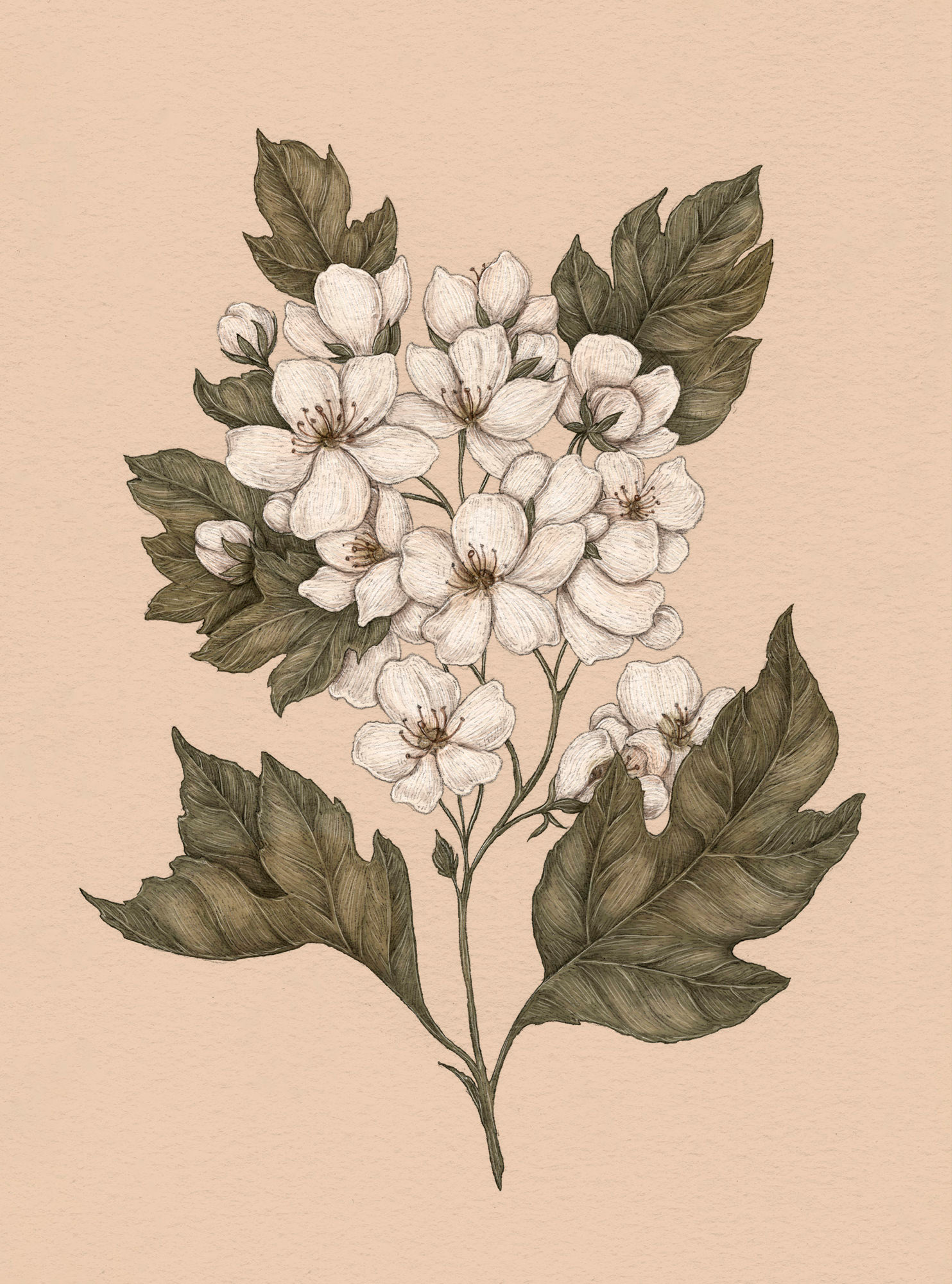
Meaning:
Hope
Origin:
In Greek mythology, Hymenaios, god of the wedding ceremony, carried a hawthorn—thought to be sacred—in a flaming torch. Ancient Greek brides used the blossoms in their bouquets and hair on their wedding days, leading to hawthorn’s association with hope in love.
Pair with …
Camellia to indicate hope that a lost love will return Orange blossom to show hope that the recipient will return your affections
HEATHER - Calluna
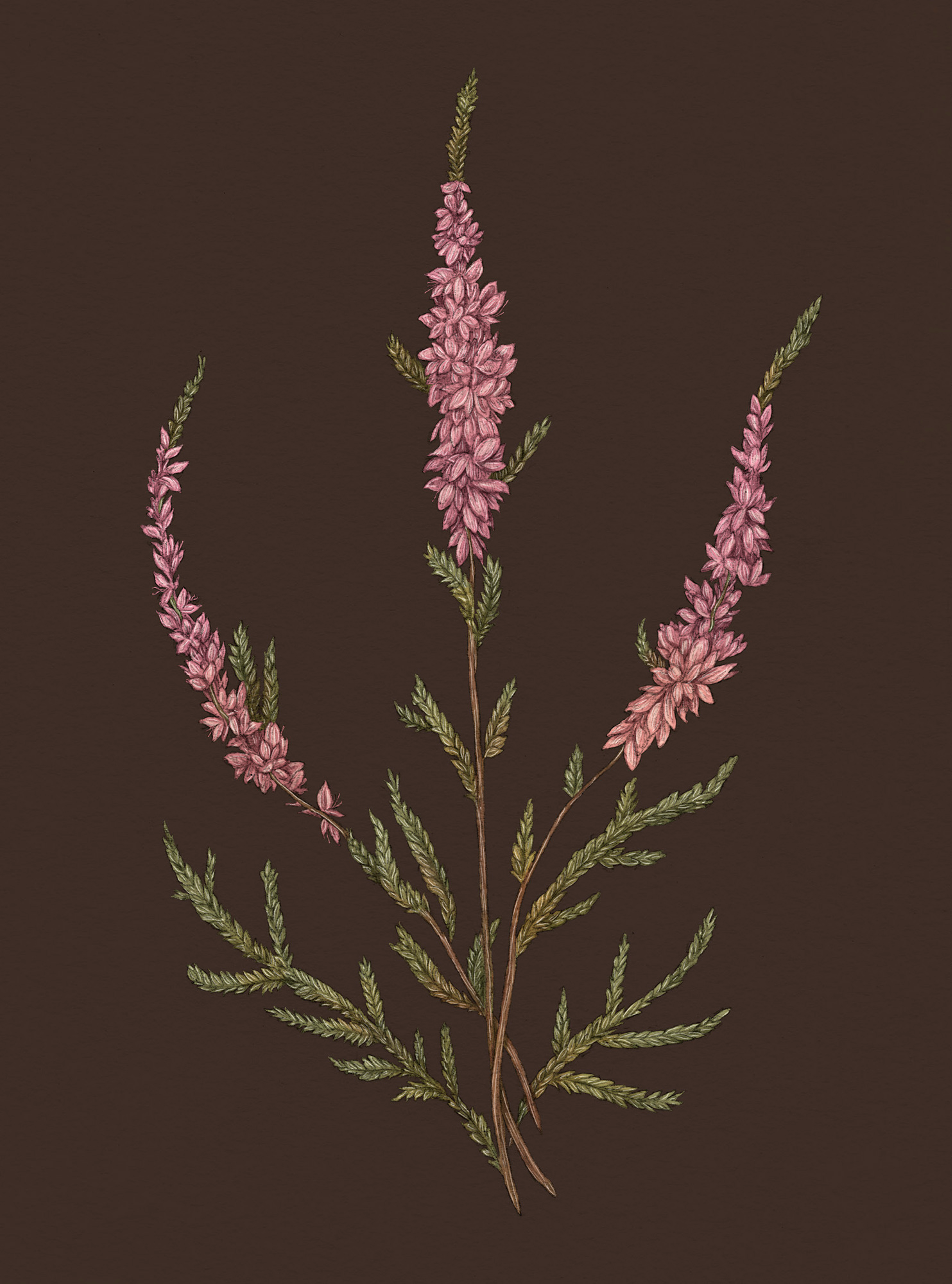
Meanings:
Luck Protection
Origin:
Heather’s meaning originates with Scottish folklore. In the third century, Malvina, a legendary beauty, was betrothed to a brave warrior called Oscar. As Oscar lay dying in battle, he instructed a messenger to deliver a sprig of purple heather to his bride-to-be as a token of his eternal love. When Malvina’s tears fell upon the flower, it changed from purple to white. From then on, heather was said to turn sorrow to good fortune and protection. Historically, many Scottish warriors have worn white heather in battle for this reason.
Pair with …
Rose as you begin a new relationship Cattail for good health for a friend awaiting a diagnosis
HELLEBORE - Helleborus
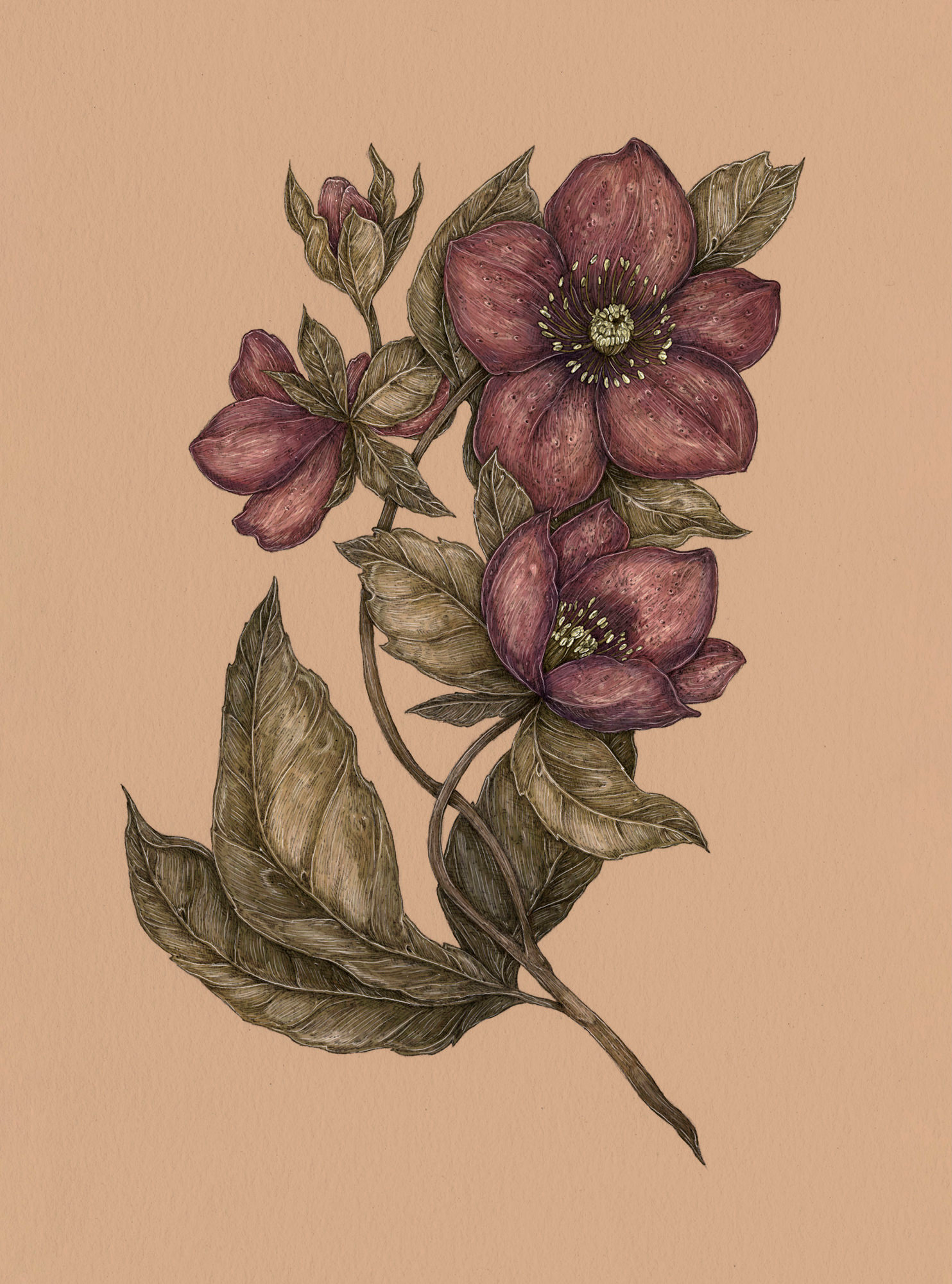
Meaning:
We shall overcome scandal and slander
Origin:
Despite its reputation as a poisonous plant, hellebore has been used for medicinal purposes. In Greek myth, the healer Melampus is said to have cured madness by administering hellebore, and herbalists throughout ancient times and into the Middle Ages used hellebore to treat various ailments. The curious plant, which bloomed at the very end of winter, just before spring, was thought to have magical powers, and was at times associated with witchcraft.
Pair with …
Begonia to warn of future challenges Edelweiss for courage in the face of what’s to come Clover for hope and good luck
HEMLOCK - Conium maculatum
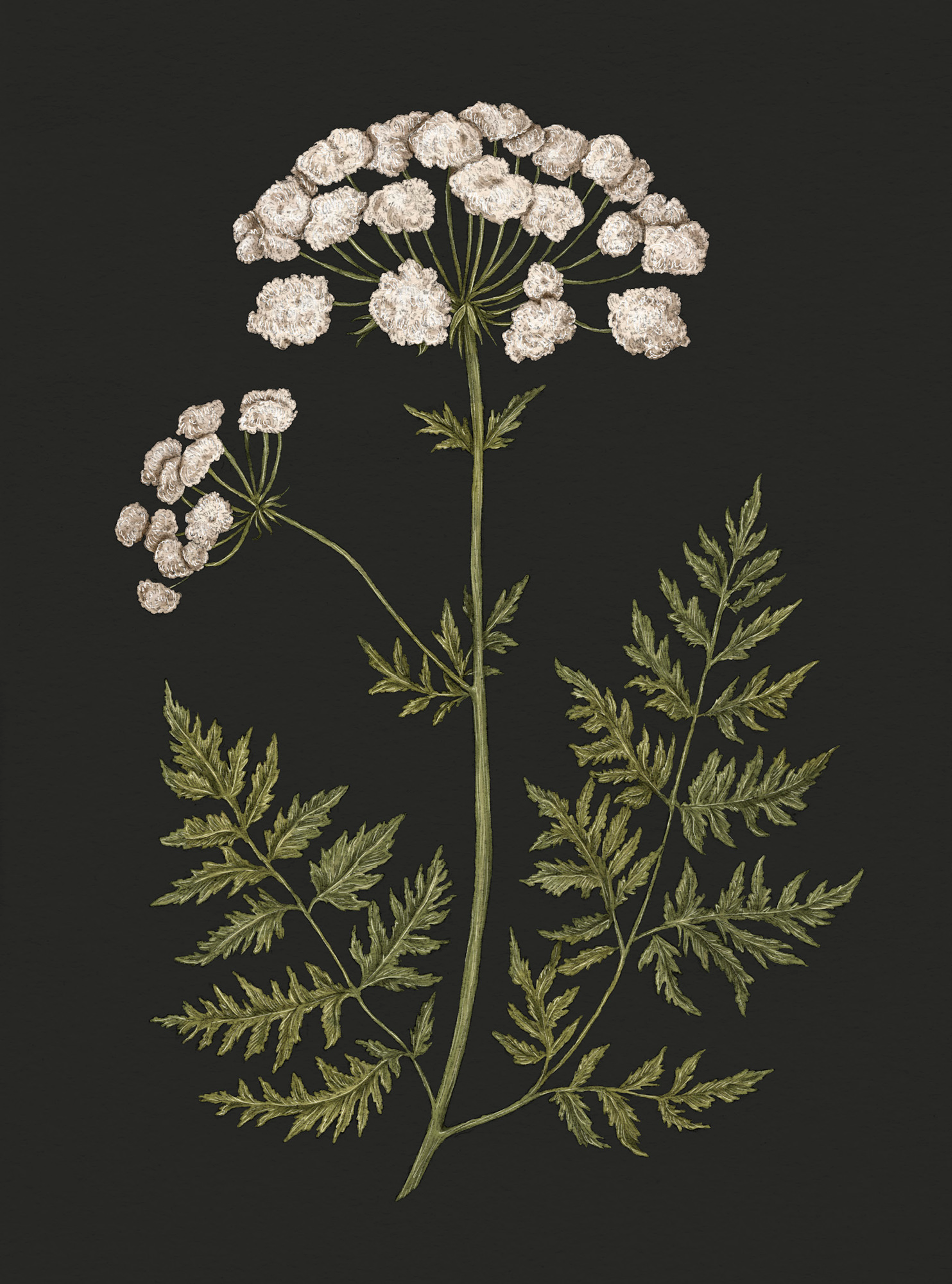
Meaning:
Death
Origin:
Hemlock is a poisonous plant that causes paralysis and death. Perhaps the most infamous poisoning by hemlock was that of Socrates, who drank a tea made from the plant after being sentenced to death for his moral philosophy.
Pair with …
Chrysanthemum for condolences upon the loss of a loved one Nettle for a loved one who has been taken away too soon
HOLLY - Ilex
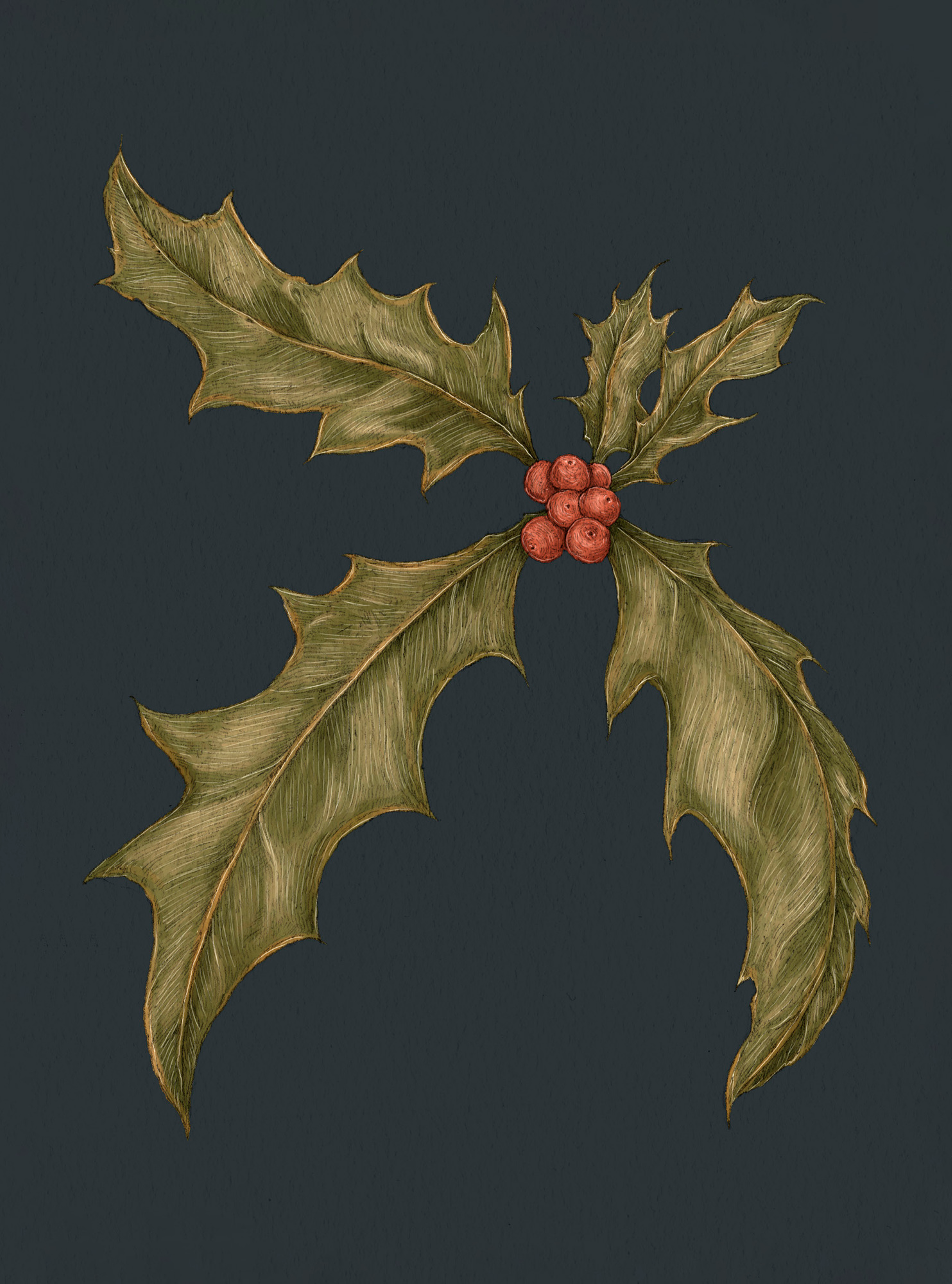
Meaning:
Foresight
Origin:
In many European pagan traditions, holly branches were hung in homes to protect against misfortune. This custom was later adopted for the Christmas holidays by the Victorians, who loved to indulge in superstition. Holly often figured in fortune-telling games as well; in Wales, it was said that if a girl ran seven laps around a holly tree one way, then seven times around the other way, her future husband would appear to her.
Pair with …
Eucalyptus to indicate looking out for a friend Lily of the valley to show that better times are on the horizon
HONEYSUCKLE - Lonicera
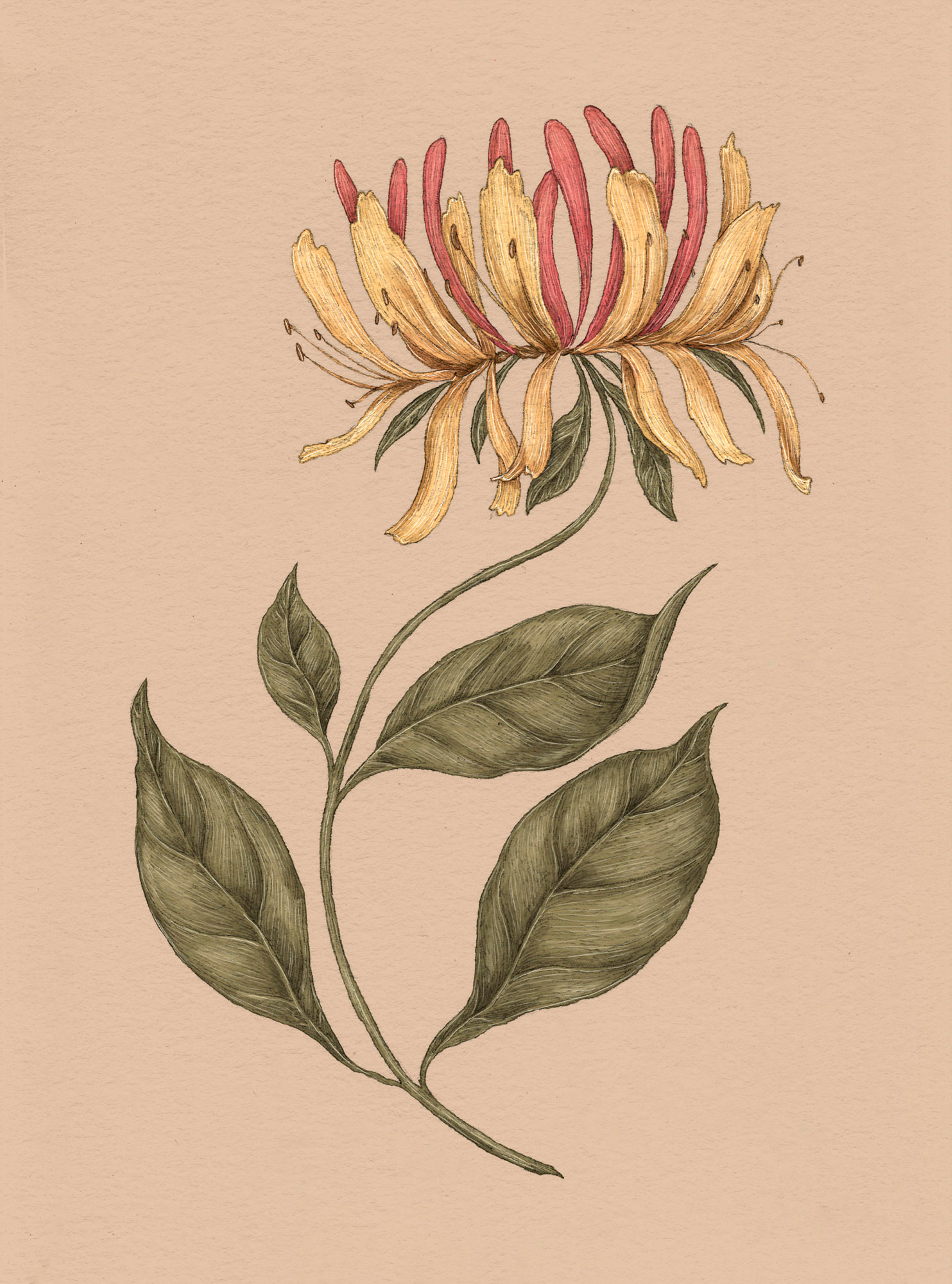
Meanings:
Devotion Affection
Origin:
Victorians claimed that sleeping with honeysuckle flowers under your pillow would cause you to dream of your true love. This belief may have originated with Shakespeare’s A Midsummer Night’s Dream, in which Titania compares her slumbering with Bottom to the way a sweet honeysuckle encircles a barky elm: “Sleep thou, and I will wind thee in my arms … So doth the woodbine the sweet honeysuckle / Gently entwist; the female ivy so / Enrings the barky fingers of the elm. / O, how I love thee! How I dote on thee!”
Pair with …
Orchid to show gratitude for a gift you treasure Cornflower to show your true devotion to a loved one
HYACINTH - Hyacinthus
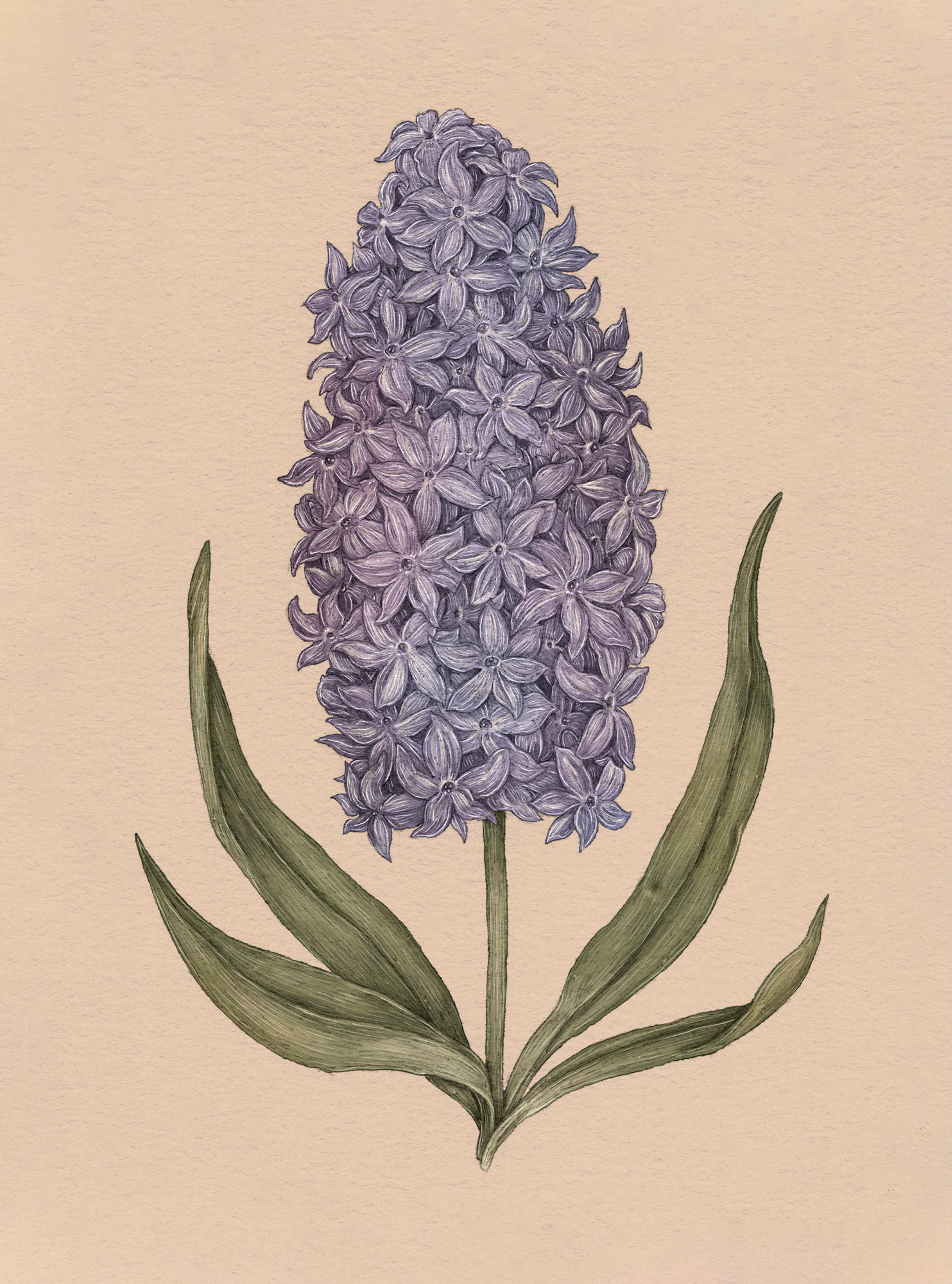
Meaning:
Please forgive me
Origin:
The hyacinth takes its name and meaning from Greek mythology. Hyacinthus, a beautiful young man, was beloved by Apollo. During a game of discus throwing, Apollo’s discus was knocked from its course by a jealous Zephyrus, striking Hyacinthus and killing him. Hyacinth flowers were said to have grown from the blood that fell from his head wound as Apollo begged his forgiveness.
Pair with …
Olive to ask for peace and forgiveness Pansy to indicate your betrayal haunts you
HYDRANGEA - Hydrangea
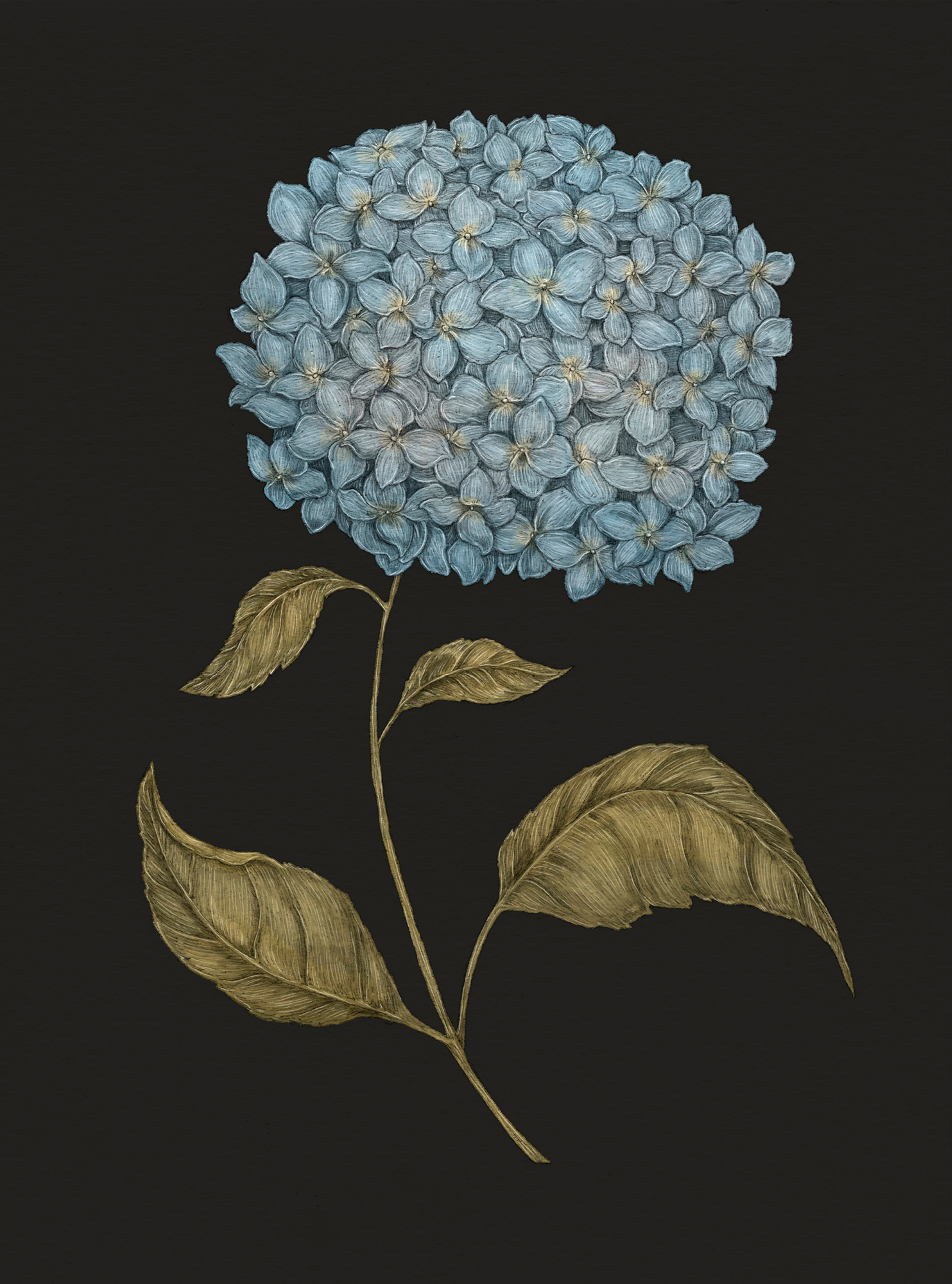
Meaning:
Boastfulness Heartlessness
Origin:
The hydrangea’s negative association with boastfulness and heartlessness comes from its bountiful and round blooms. Large and abundant, the magnificent flowers only produce a few seeds, supporting the notion that they are all show and little substance.
Pair with …
Tansy and petunia to indicate your displeasure at a recent turn of events Fern to reassure a friend that you will keep their secret indiscretion to yourself
HYSSOP - Hyssopus
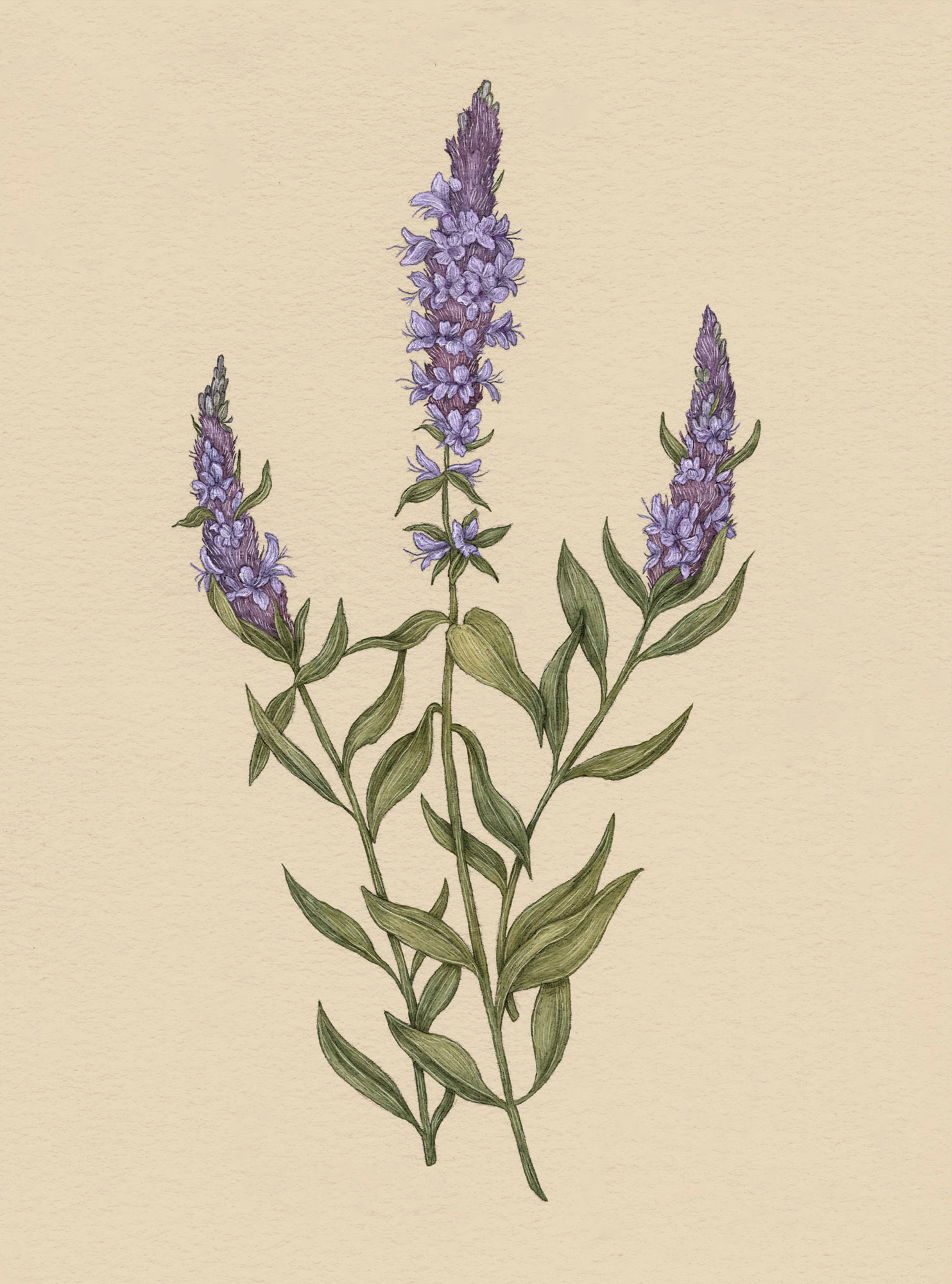
Meaning:
Cleanliness
Origin:
The meaning behind hyssop can be traced to ancient Greece, where the flower was used to clean and purify temples. In biblical times, the plant was even used to treat leprosy. Its cleansing aroma is a welcome addition in bouquets representing a new beginning.
Pair with …
Lily and Queen Anne’s lace when housesitting to show you’ll keep things clean and tidy Jasmine to honor a friend for their cheerful and virtuous heart
IRIS - Iris
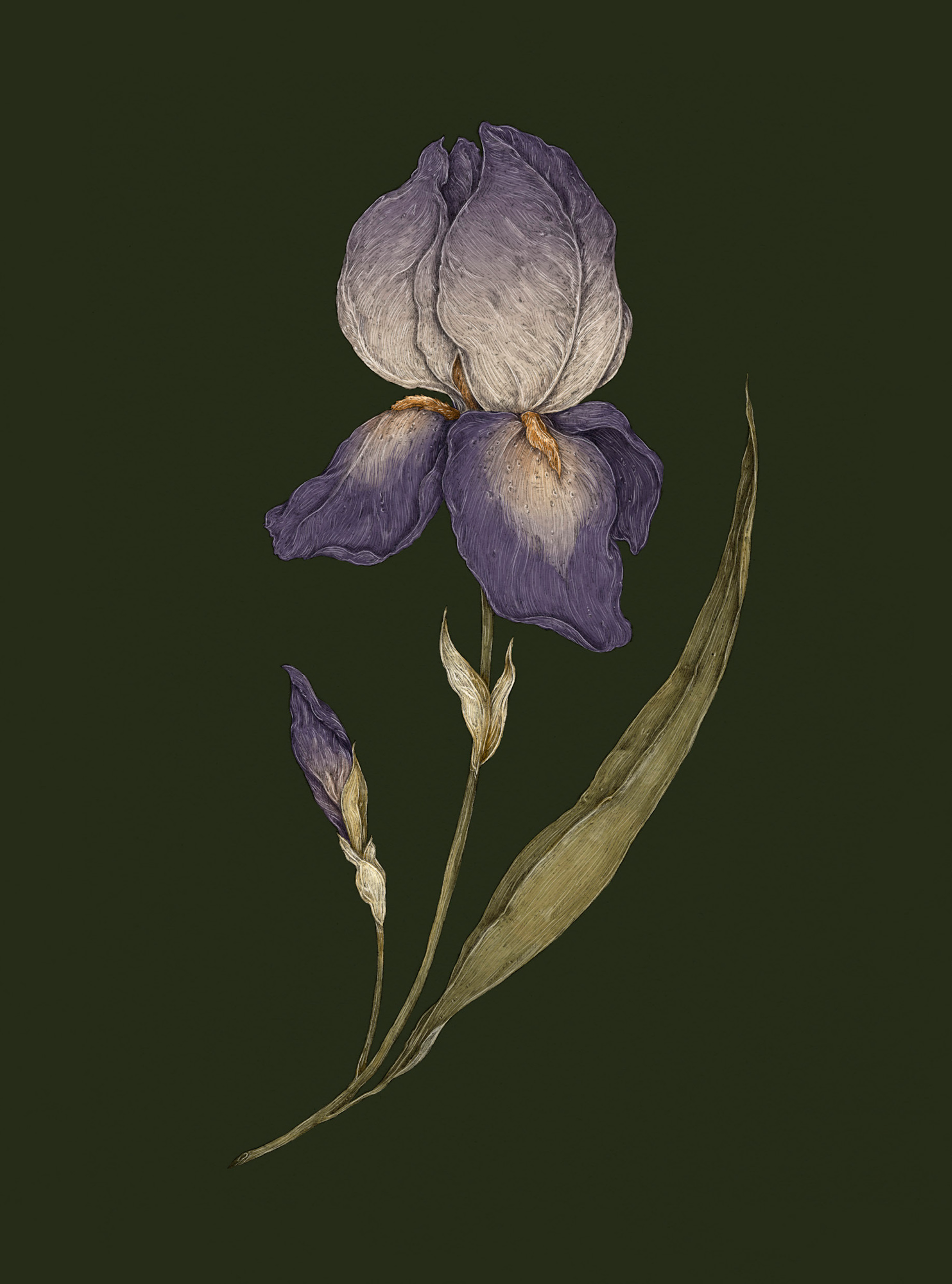
Meanings:
Valor Wisdom Faith
Origin:
The iris has long been associated with power and victory; the ancient Egyptians used the iris to crown the brow of the Sphinx. Years later, Clovis I, the fifth-century king of the Franks, won a significant battle after seeing irises blooming in a river. His soldiers adorned themselves with the flowers afterward, and the iris’s three upper petals were then said to represent the valor, wisdom, and faith that led to their success in battle.
Pair with …
Bluebells to show humility in victory Clematis to indicate admiration for ingenuity
IVY - Hedera
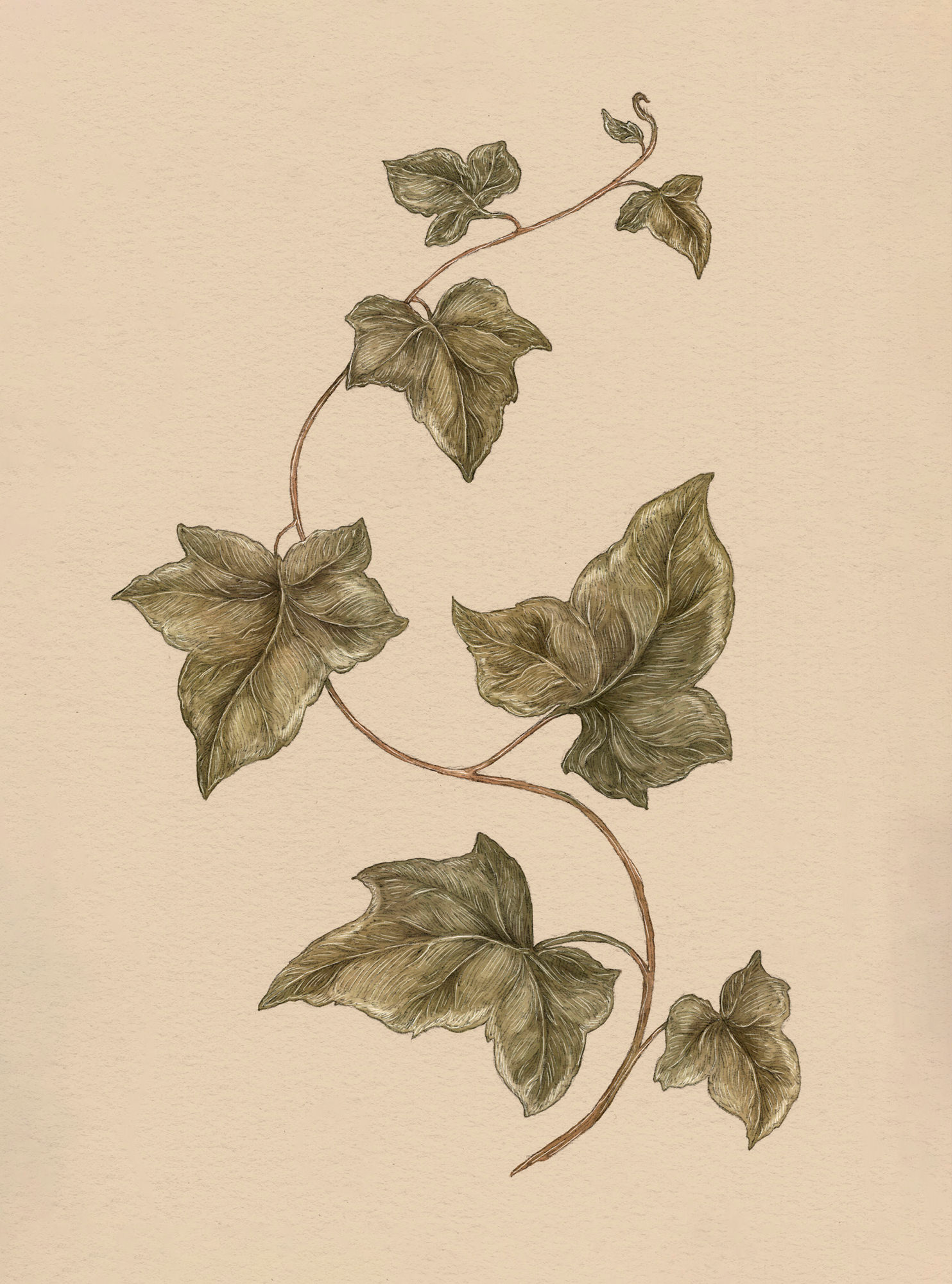
Meanings:
Fidelity Attachment
Origin:
This clinging, leafy vine winds itself around ancient trees. Even after a tree dies, ivy remains attached, unable to be separated from its eternal embrace.
Pair with …
Dahlia to honor a long-lasting relationship Hellebore to say that nothing will ever come between you and your partner
ASMINE - Jasminum
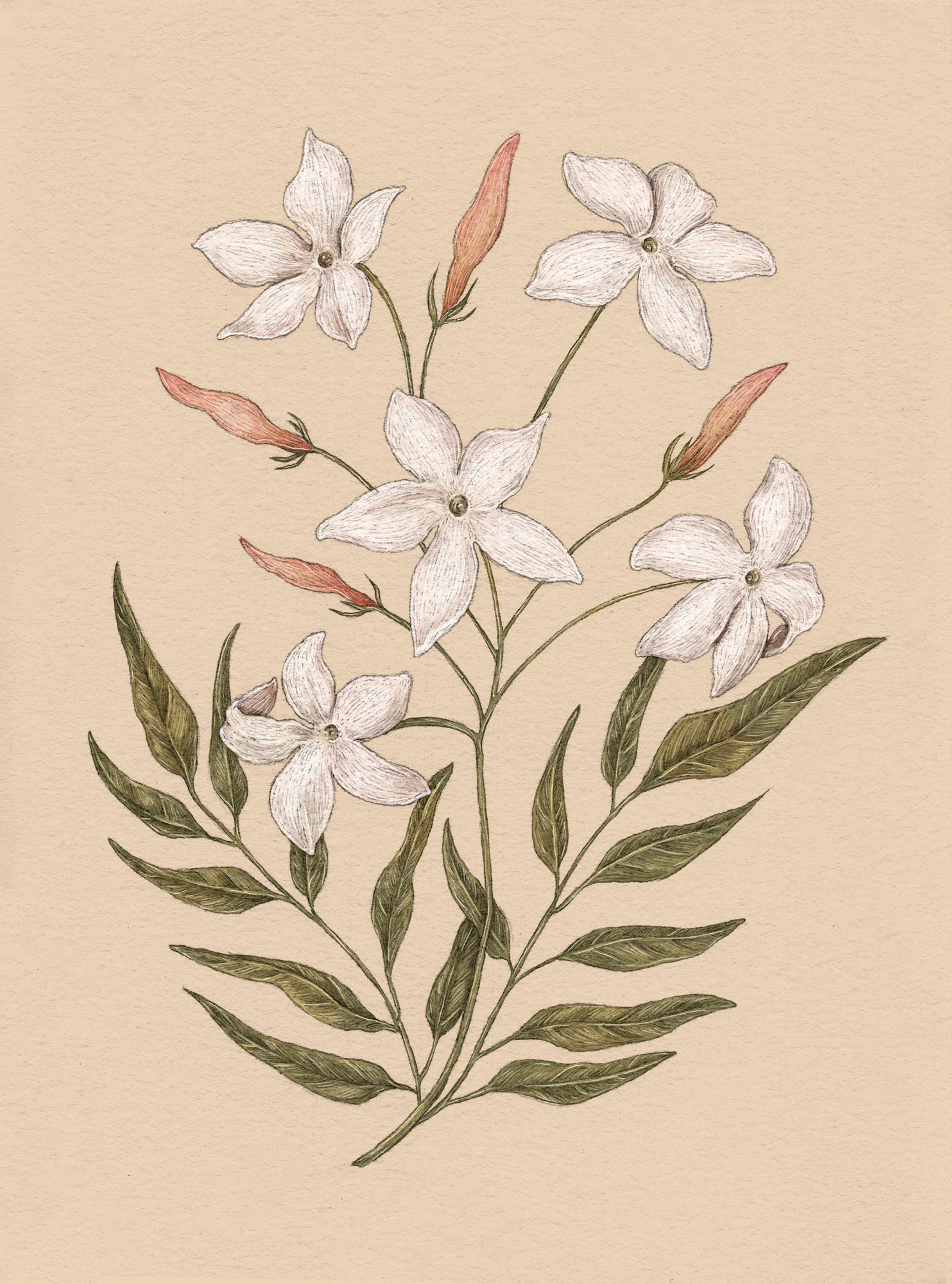
Meanings:
Amiability Cheerfulness
Origin:
Jasmine’s light and lovely scent, along with its elegantly shaped blooms, perfectly convey amiability and cheerfulness. It is often used in weddings and celebrations, especially in the Philippines, Pakistan, and Indonesia, where it is a native plant.
Pair with …
Iris to show admiration for a friend’s strength of character Crocus for a kind and generous loved one, or one with a particular zest for life
LADY SLIPPER - Cypripedium
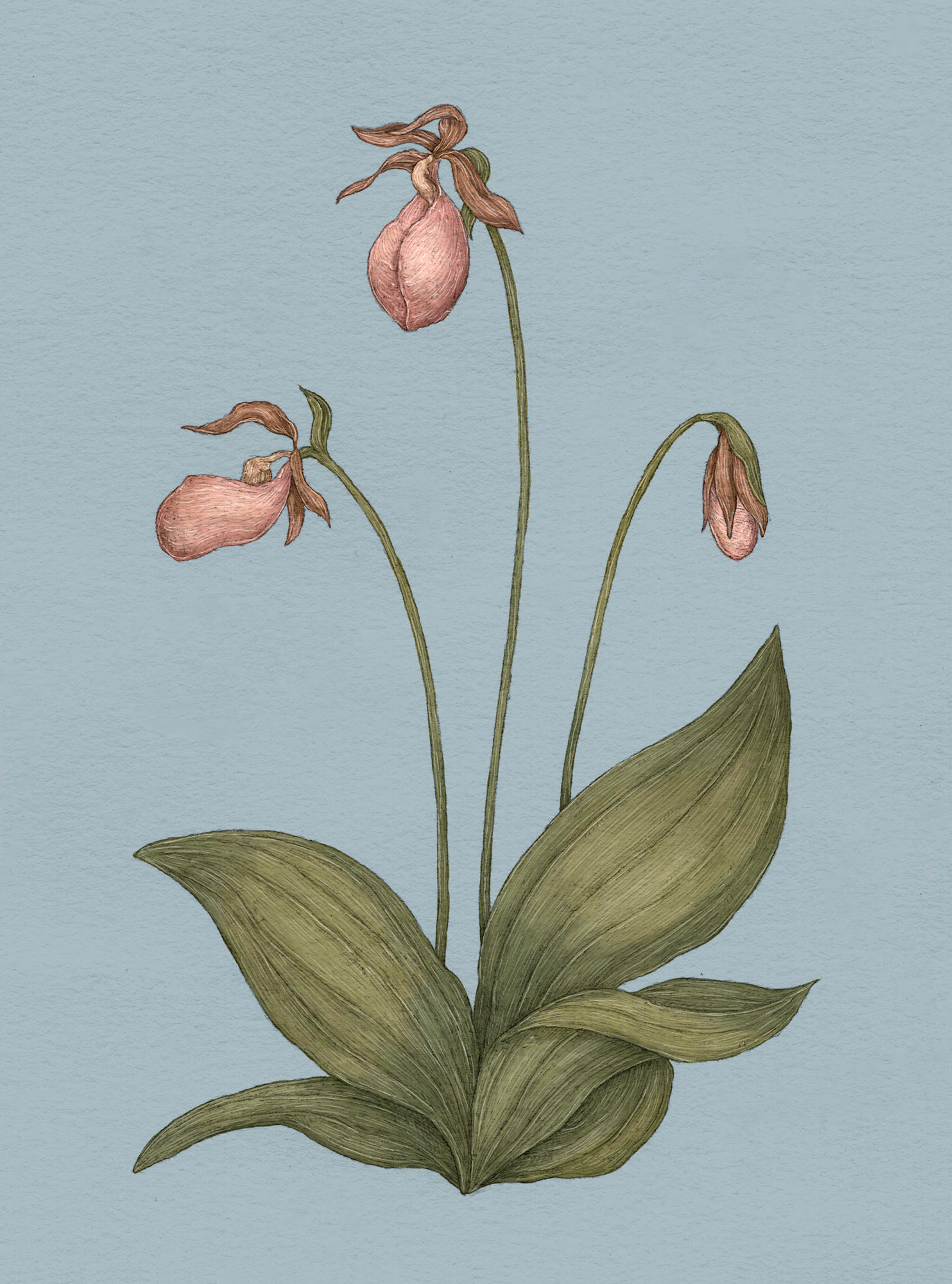
Meanings:
Capriciousness
Origin:
These orchids are famously fickle and difficult to cultivate. Some can take over a decade to bloom, and few survive transplantation. Others, however—if left undisturbed—can live for up to fifty years.
Pair with …
Hawthorn for hope for a good outcome Snapdragon to encourage a friend in an unpredictable situation
LARKSPUR - Delphinium
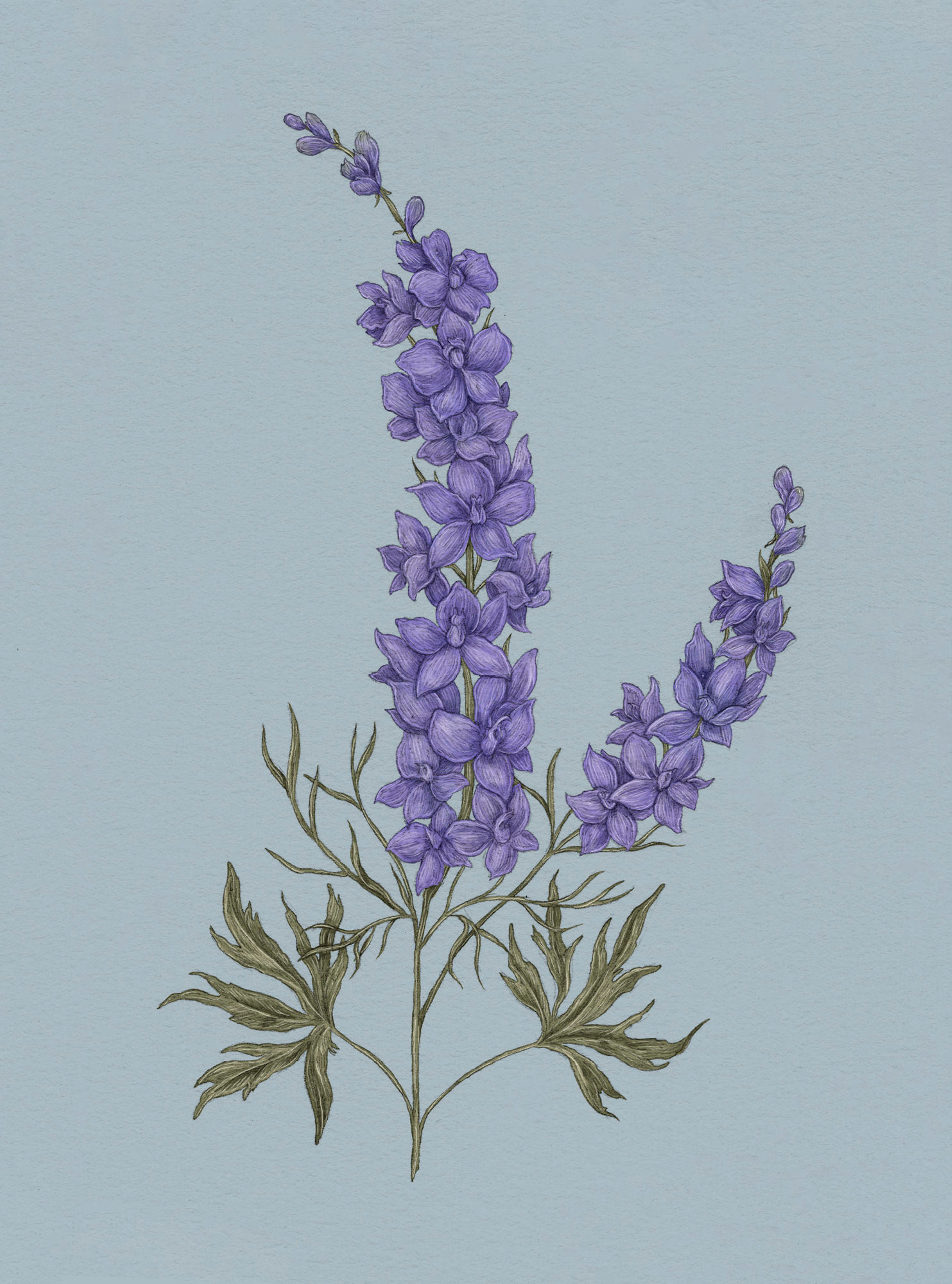
Meaning:
Levity
Origin:
The distinctive seedpod of the larkspur is said to resemble the foot of a lark, hence its name. The lovely and light song of these birds lifts the spirit, just as the beautiful purple petals of the plant reach up toward the heavens.
Pair with …
Protea to indicate better days are ahead Begonia to assure someone that all past problems have been reconciled
LAUREL - Laurus
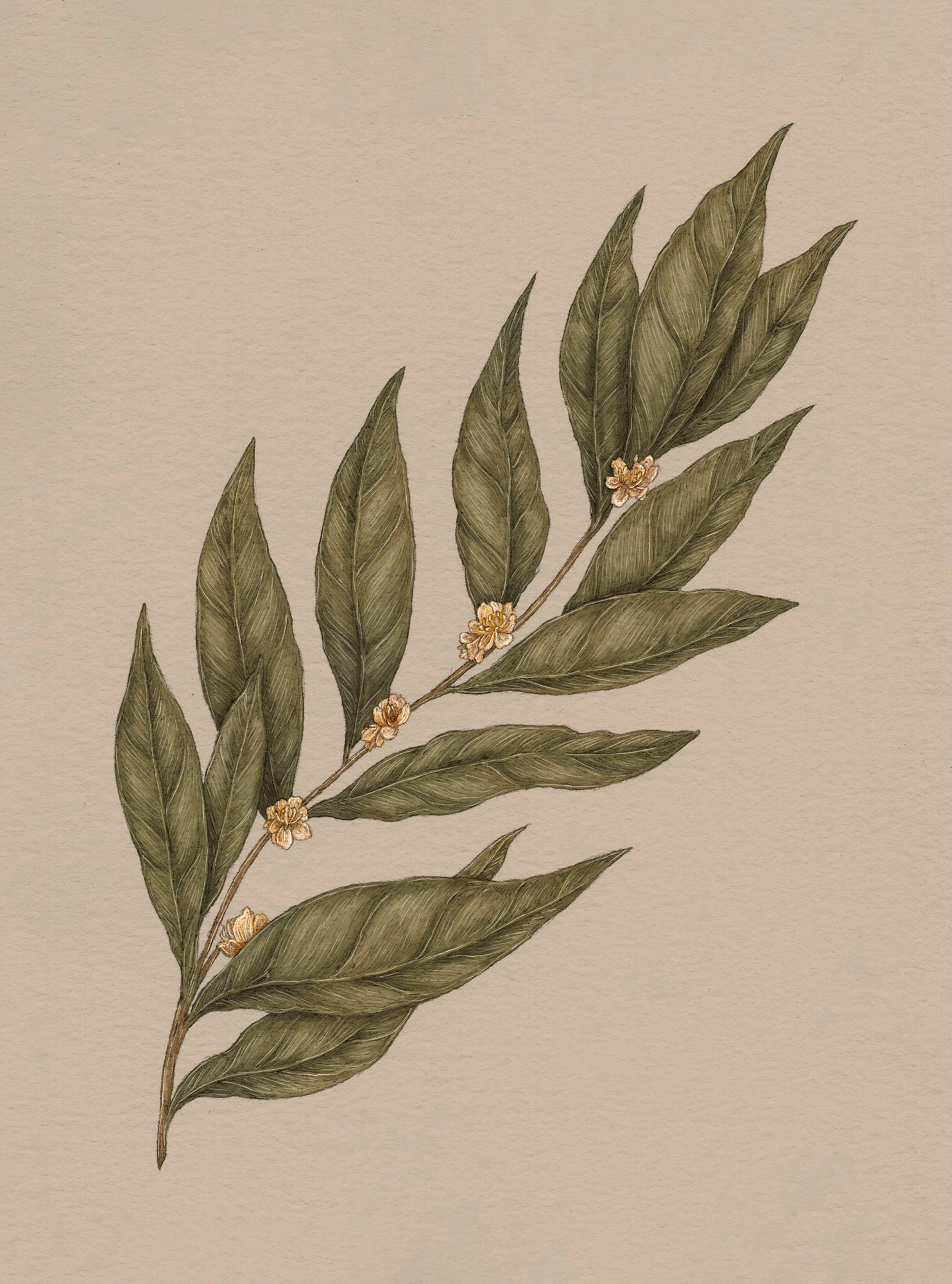
Meanings:
Glory Victory Success
Origin:
Ancient Olympic victors were crowned in wreaths of laurel—a tradition that was said to have originated with the Greek god Apollo. Pursued by Apollo, the nymph Daphne begged her father to protect her from his advances. Her father, Peneus, answered Daphne’s plea by turning her into a laurel tree. After seeing Apollo’s sadness at her transformation, Daphne is said to have crowned him with her leaves.
Pair with …
Oak and edelweiss to encourage bravery in new territory Chamomile for energy to overcome hardship
LAVENDER - Lavandula
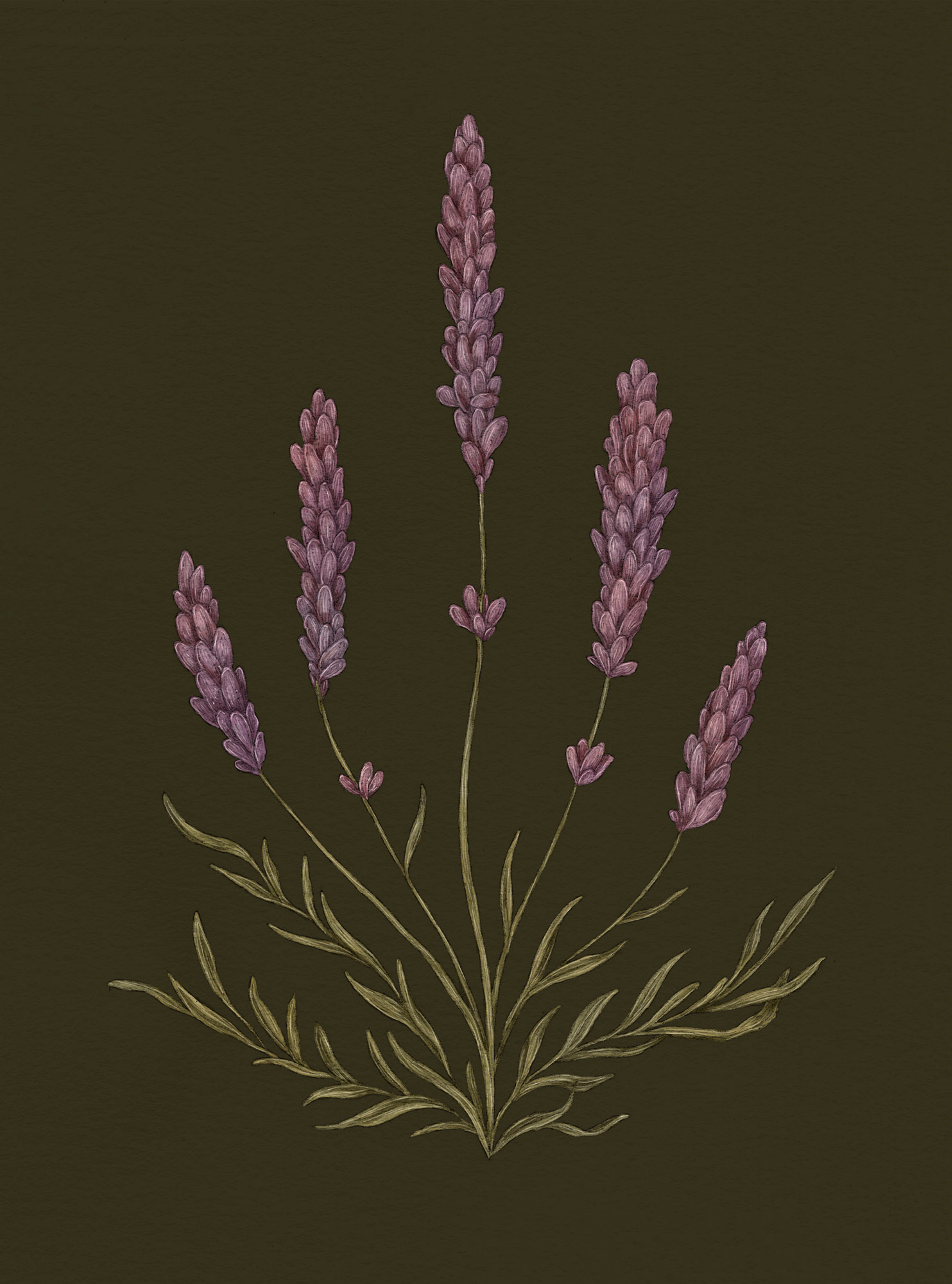
Meaning:
Distrust
Origin:
Historically, lavender grew in hot climates, where asps—venomous snakes—frequently made their homes. Thus, the beautiful and fragrant flower could lure a curious person to their death. Some say the asp that killed Cleopatra was hidden in a bundle of lavender.
Pair with …
Foxglove to encourage a friend to reconsider their choices Datura to tell someone that you see through their facade
LILAC - Syringa
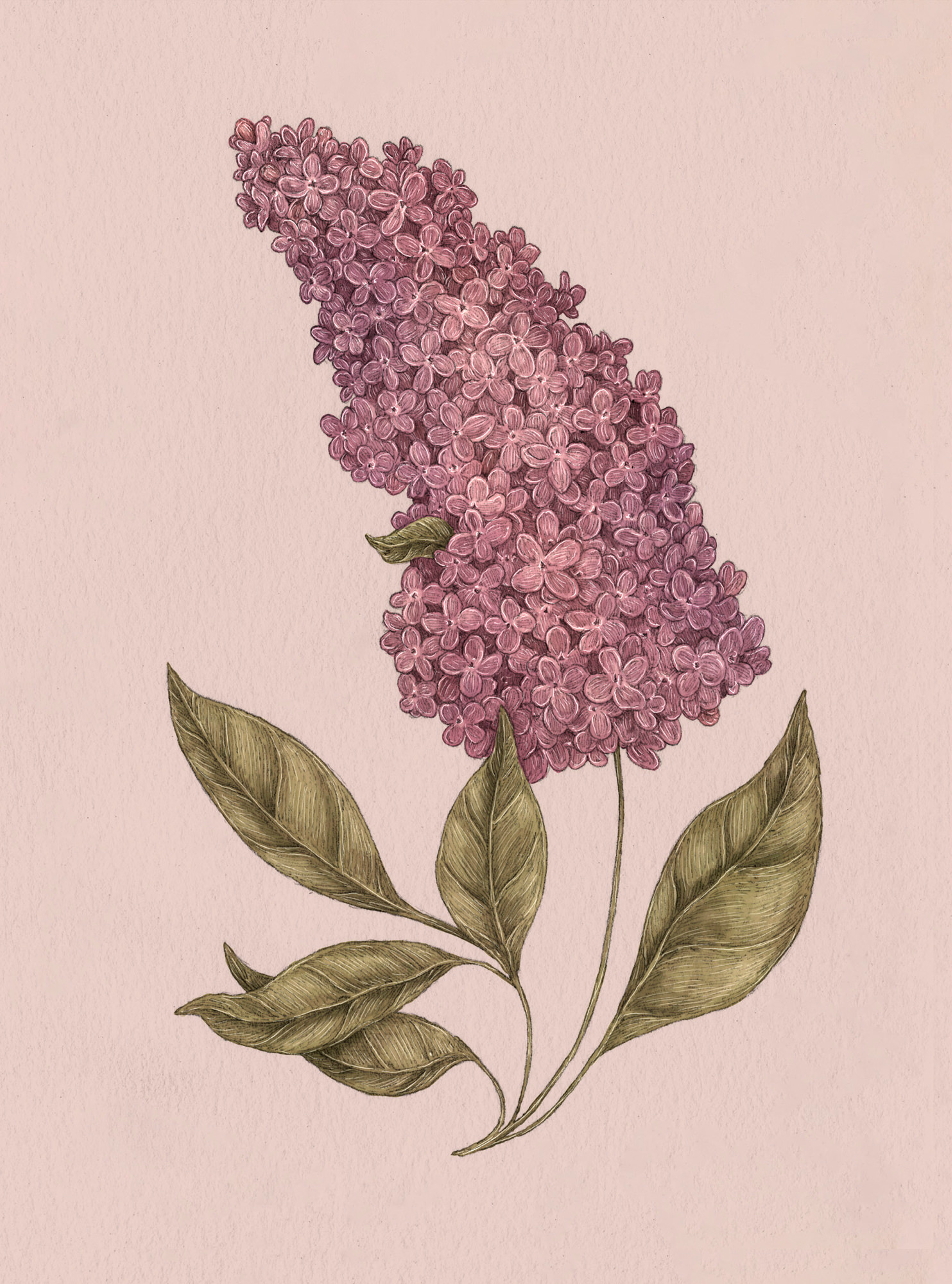
Meaning:
First love Reminiscence
Origin:
In Greek mythology, Pan, the god of the forests, was in love with Syringa, a nymph who feared his advances. To disguise herself, Syringa turned into a lilac bush. Pan, upon finding the shrub, cut its hollow reeds to form the pan flute, memorializing his first love. Victorian widows often wore lilac while in mourning over their late husbands.
Pair with …
Monkshood to honor your first true love Tulip to declare being in love for the first time Daisy and aster for the purity and innocence of one’s first love
LILY - Lilium
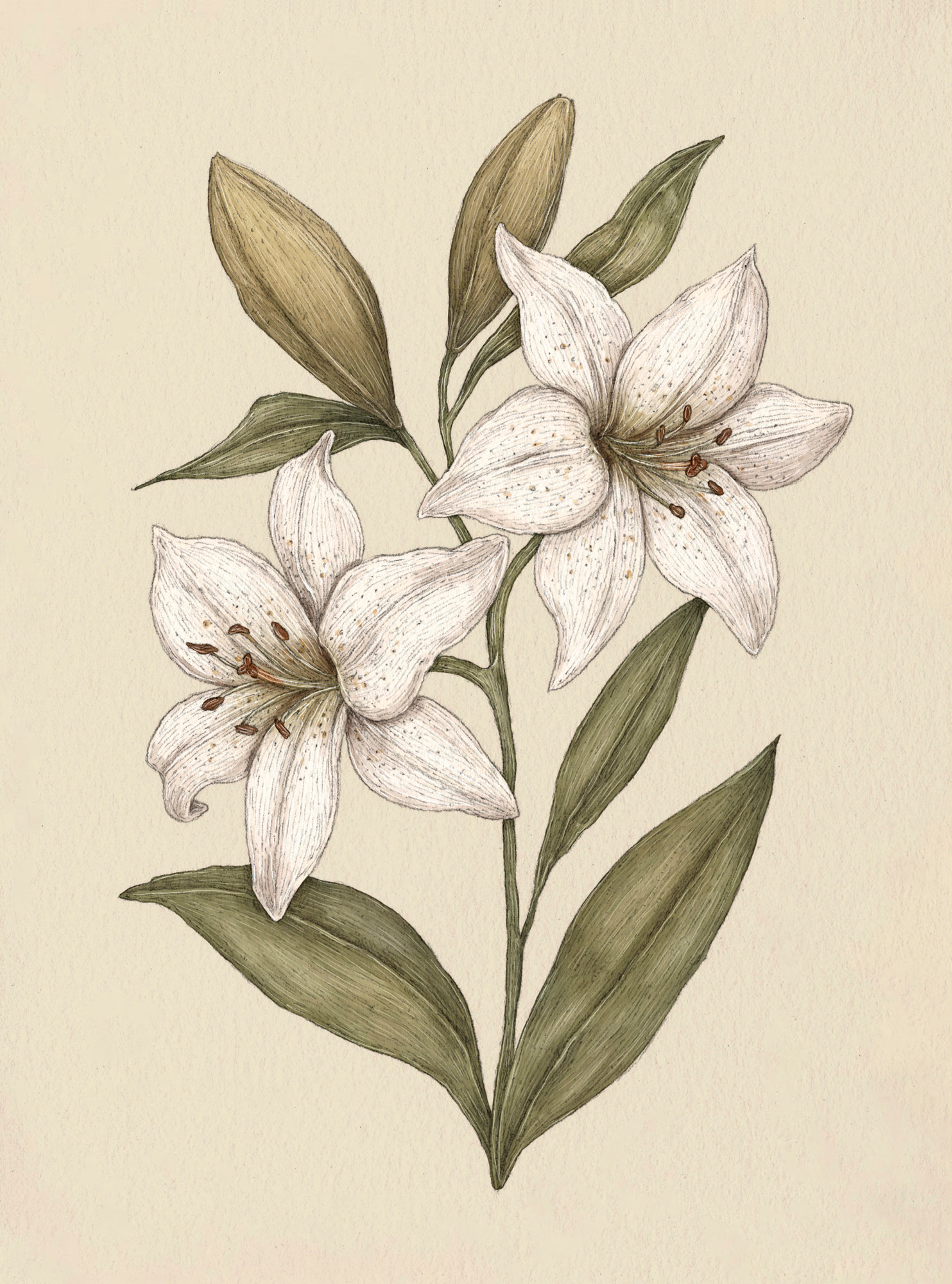
Meaning:
Purity
Origin:
In the Middle Ages, the lily became associated with the Virgin Mary. Paintings of the Annunciation—the announcement by the archangel Gabriel to Mary that she would conceive and be the mother of Jesus— often depict Gabriel giving the Blessed Virgin a lily, in honor of her purity.
Pair with …
Orange blossom for a wedding anniversary Sweet William to honor an act of pure generosity
LILY OF THE VALLEY - Convallaria
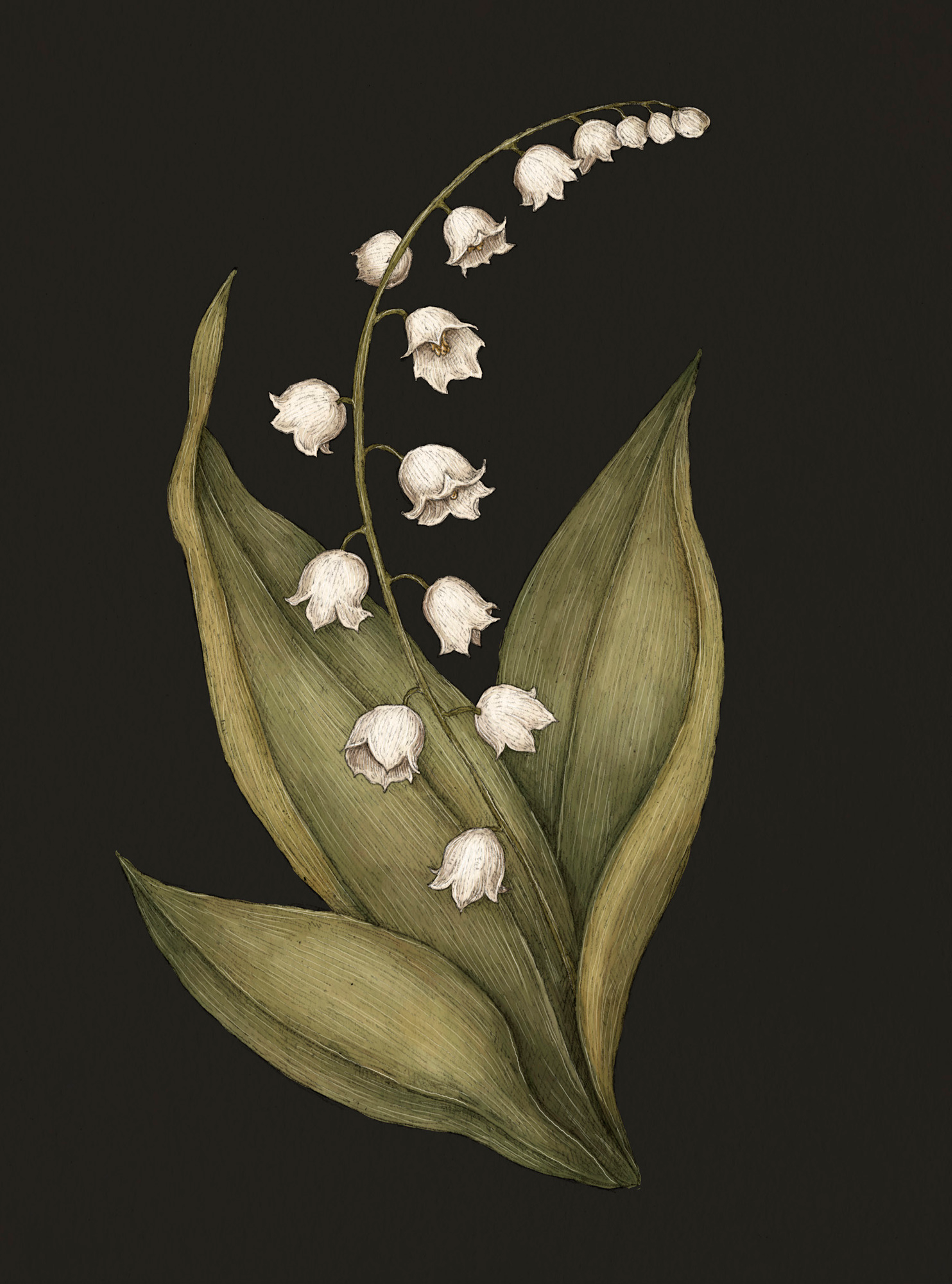
Meaning:
Return of happiness
Origin:
Saint Leonard, a hermit who lived in the forests of West Sussex, was said to have slain the last dragon in England. According to legend, the places where Saint Leonard battled the dragon are marked by lilies of the valley, which blossomed in clusters wherever the saint’s blood was spilled. Once he defeated the dragon, Saint Leonard was able to resume his life of happy seclusion.
Pair with …
Protea to transform a bad situation into a good one Yarrow to help soothe a broken heart
MAGNOLIA - Magnolia
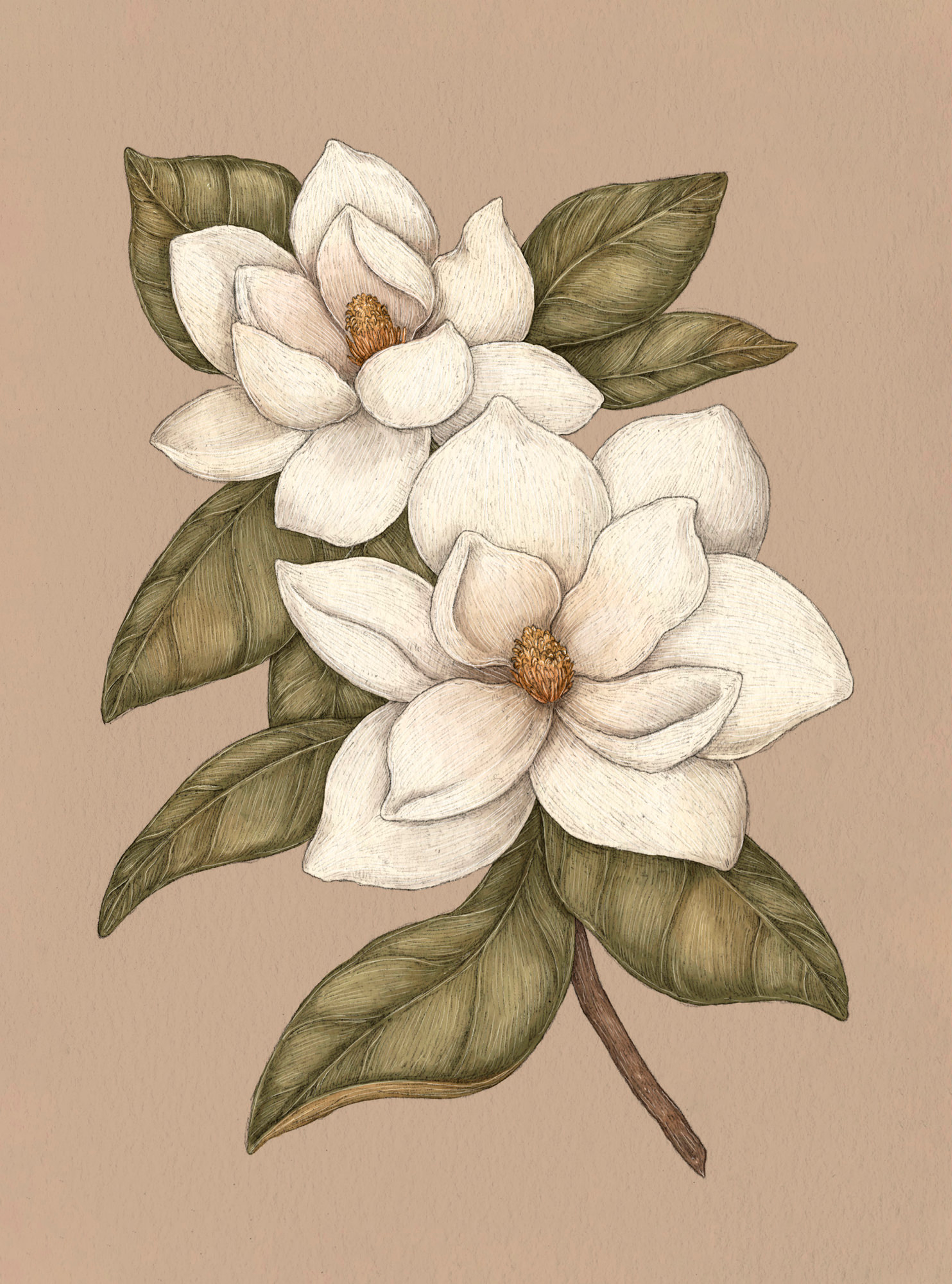
Meaning:
Dignity
Origin:
The magnolia tree exudes dignity with its tall and hearty structure, its rich, waxy leaves, and its large, white blooms. Its flowers are often associated with the American South, where the tree grows to magnificent heights and endures scorching summers.
Pair with …
Belladonna to ask a friend to keep your secret Olive as a reminder to maintain your dignity in difficult situations
MARIGOLD - Tagetes
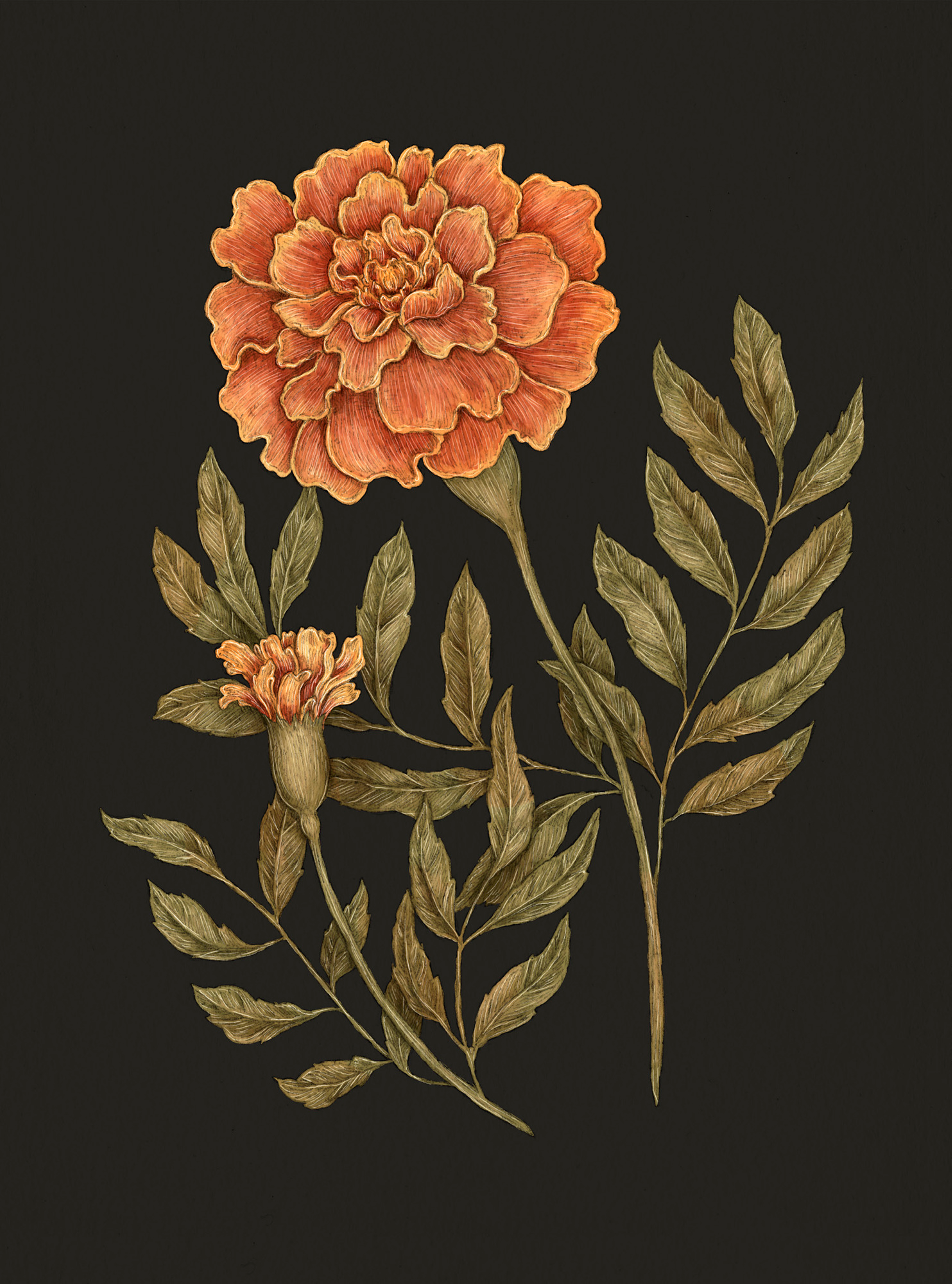
Meaning:
Grief
Origin:
When clouds roll in or night falls, the marigold curls inward and lets its head droop. When it opens again in the sunlight, its petals, wet with dew, appear to be crying. Traditionally, marigolds are used to celebrate Día de los Muertos (Day of the Dead) in Mexico, when the spirits of the departed are believed to visit the living. This celebration is rooted in the Aztec festival honoring Mictecacihuatl, the goddess of the underworld.
Pair with …
Willow to indicate sorrow at the loss of a loved one Rue to apologize for the pain you’ve caused
MINT - Mentha
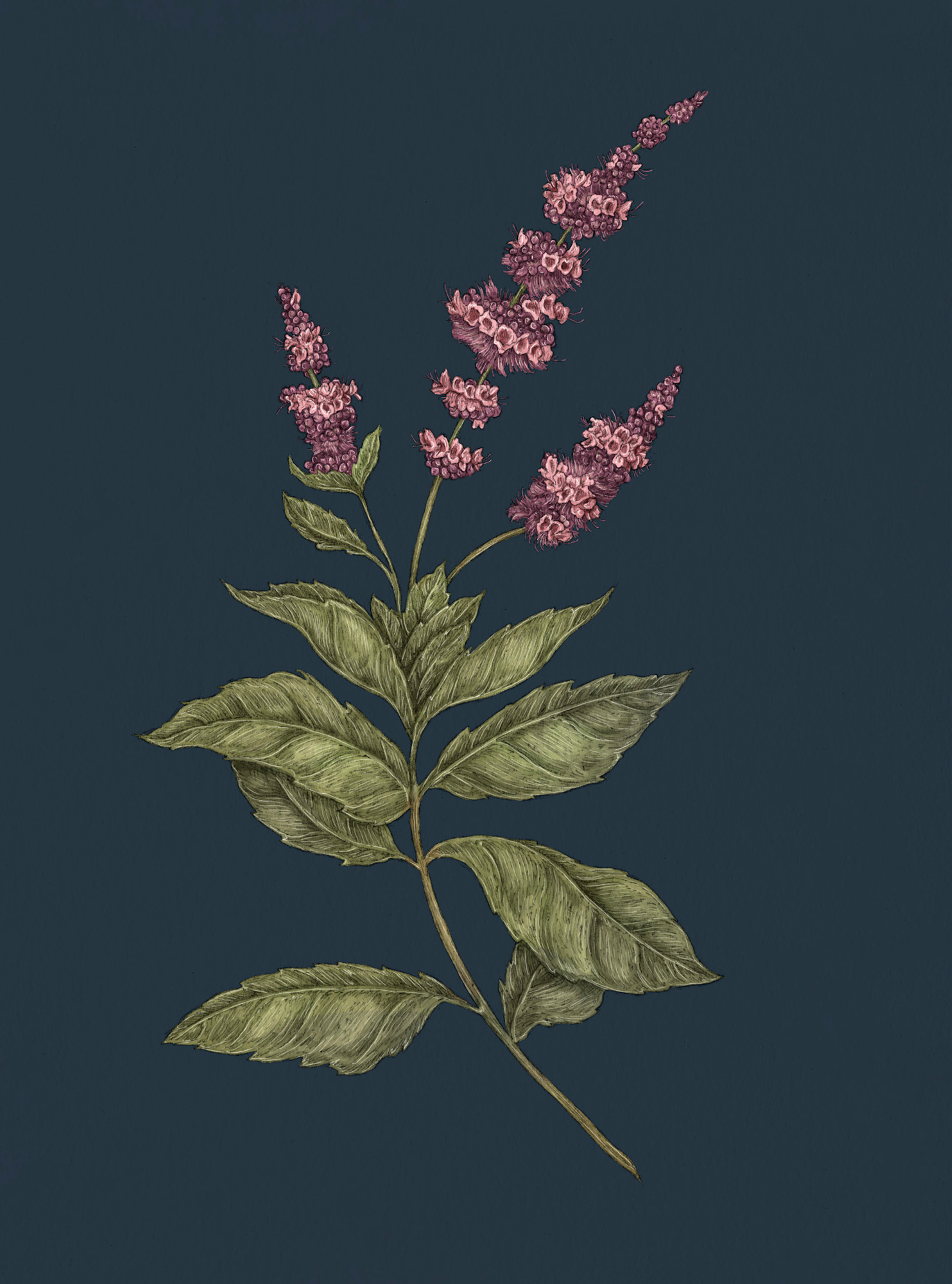
Meaning:
Consolation
Origin:
In Greek mythology, the naiad Minthe became enamored of Hades, the god of the underworld. Persephone, Hades’s jealous queen, turned Minthe into the common garden herb. Mint has been associated with consolation and mourning and was often used in funerary rites to mask the smell of the decomposing body. And so, while Minthe could not be with the god of the underworld, her consolation was to become a plant associated with death.
Pair with …
Passionflower for faith that circumstances will improve Cornflower to tell a friend they are thought of and loved during a difficult time
Meaning: - Surmounting all difficulties
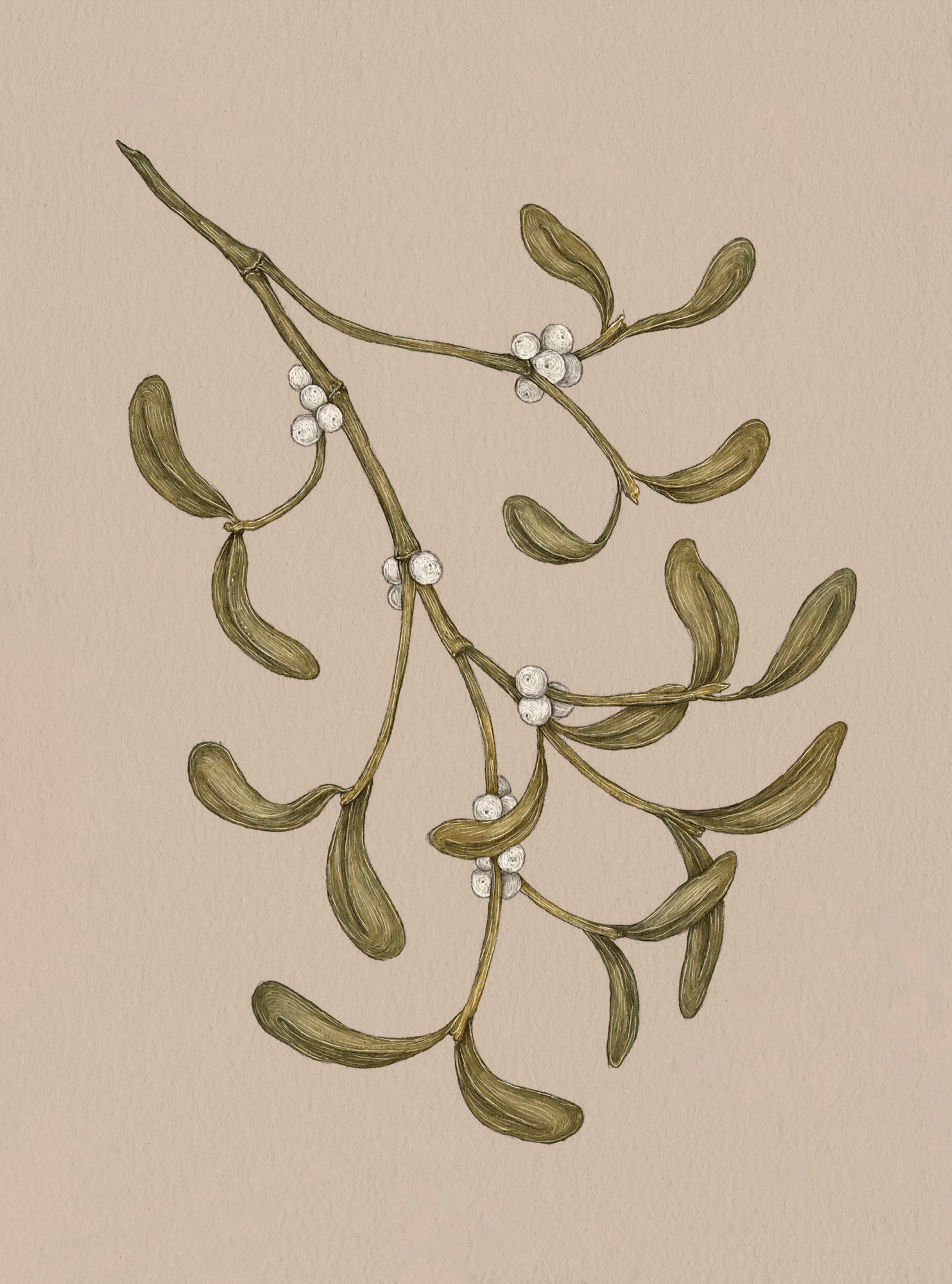
Origin:
In Norse mythology, the beloved god Balder was haunted by dreams of his impending death, so his devoted mother, Frigga, made everything in nature promise not to hurt him. Sadly, she overlooked the mistletoe plant. Loki, god of mischief, created an arrow from the plant and tricked Balder’s brother into killing him with it. In her grief, Frigga begged the other gods to bring Balder back, which they did, proving he could surmount all difficulties, even death itself. The now common use of mistletoe as decoration during Christmastime is a holdover from Druidic winter solstice celebrations. The bright winter berry, cut from the oak tree, was seen as a symbol of hope during the darkest, most difficult time of year.
Pair with …
Amaryllis for the confidence to overcome a challenge Lady slipper to indicate your faith that the tides will turn in the recipient’s favor
MONKSHOOD - Aconitum
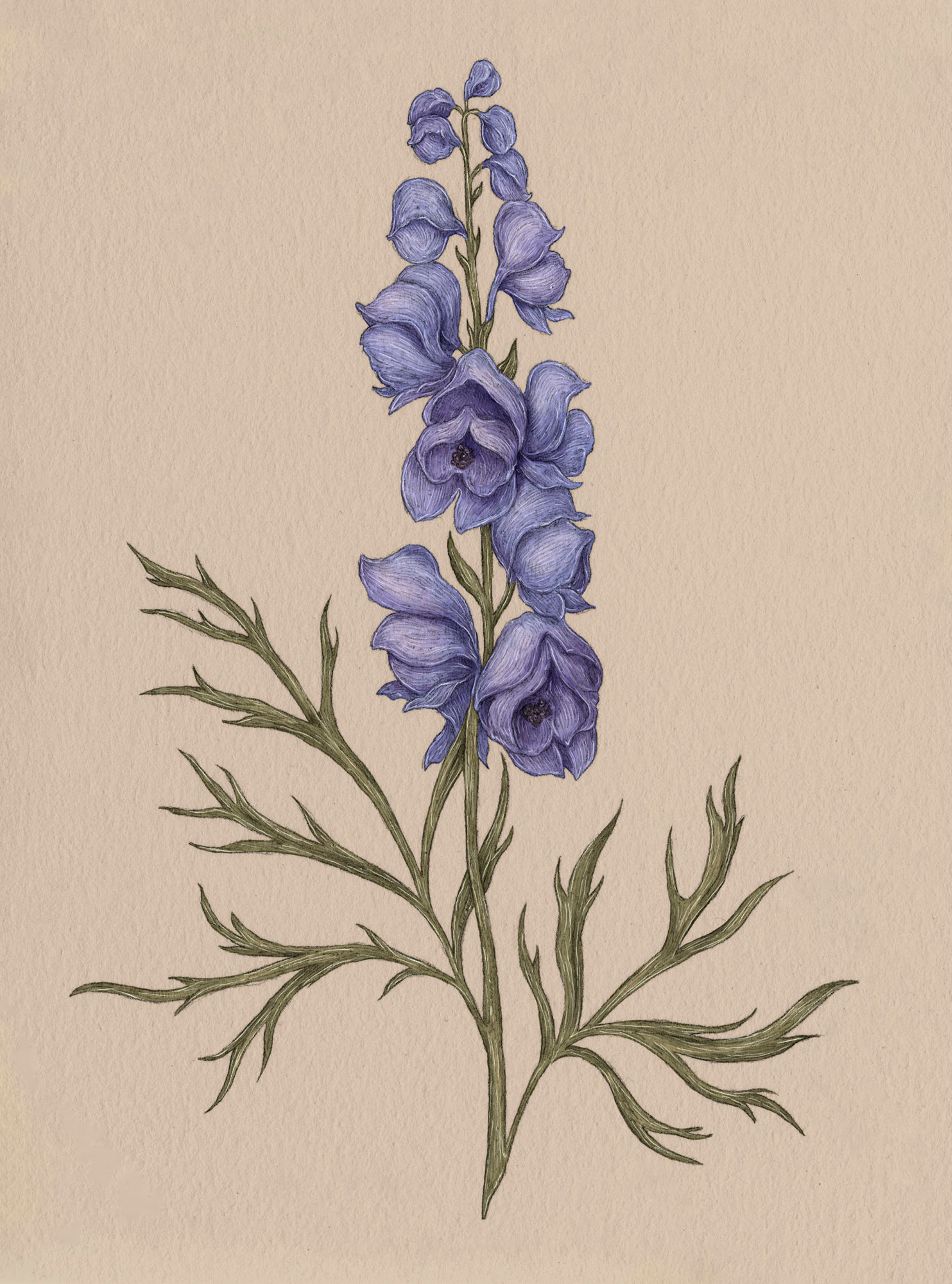
Meaning:
Chivalry
Origin:
Monkshood is linked to chivalry thanks to the shape of its purple petals: they resemble a medieval knight’s helmet.
Pair with …
Honeysuckle to show a friend you’ll do anything for them Dogwood or mistletoe to encourage a loved one during a tough time Cowslip to indicate you admire someone’s courage
MYRTLE - Myrtus
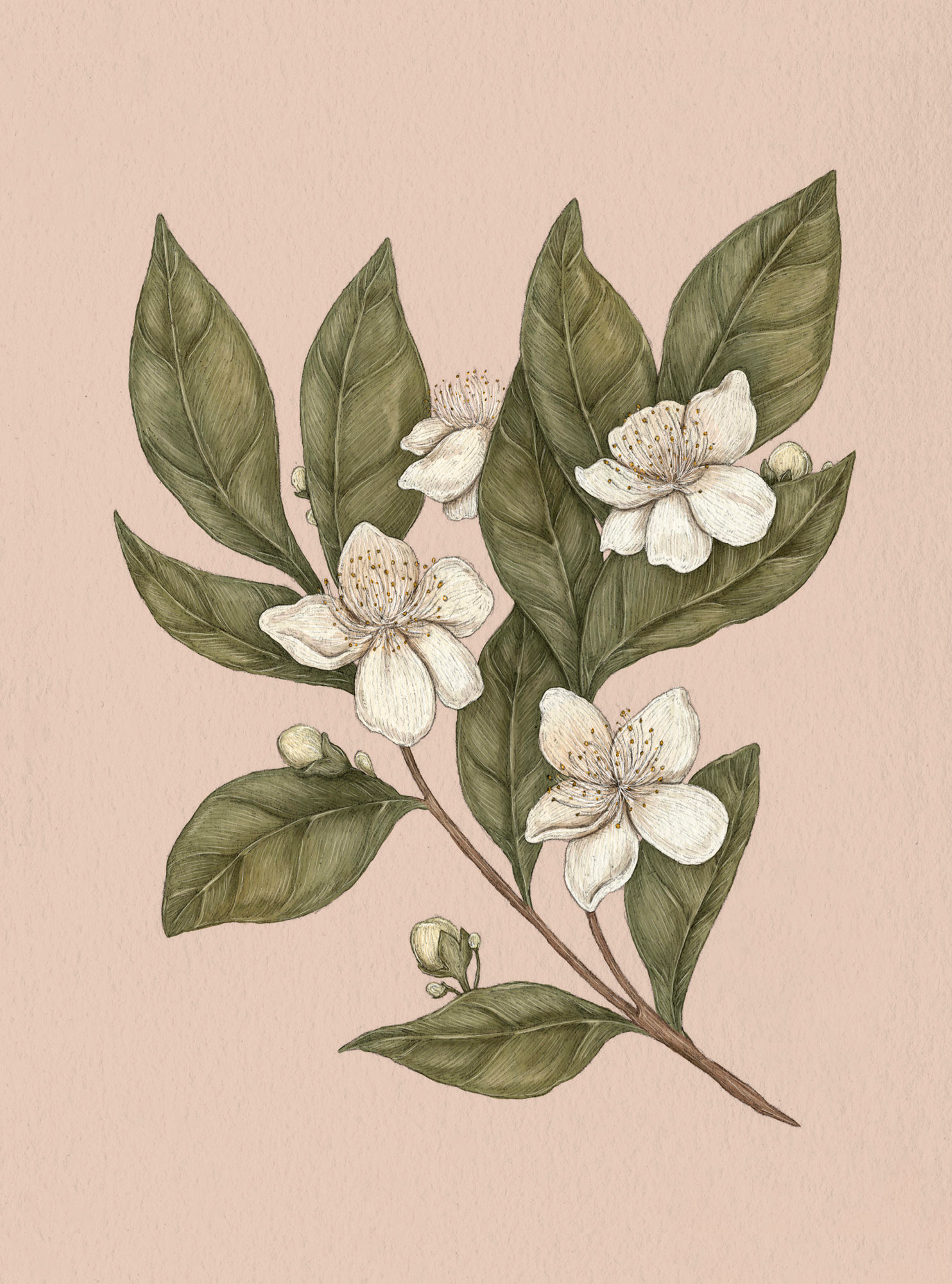
Meaning:
Love
Origin:
Perhaps due to their association with both Hathor and Aphrodite— Egyptian and Greek goddesses of love—the beautiful, sweet-smelling blooms of this evergreen are frequently used in wedding celebrations.
Pair with …
Dahlia for your one true love Carnation for a Mother’s Day gift
NETTLE - Urtica
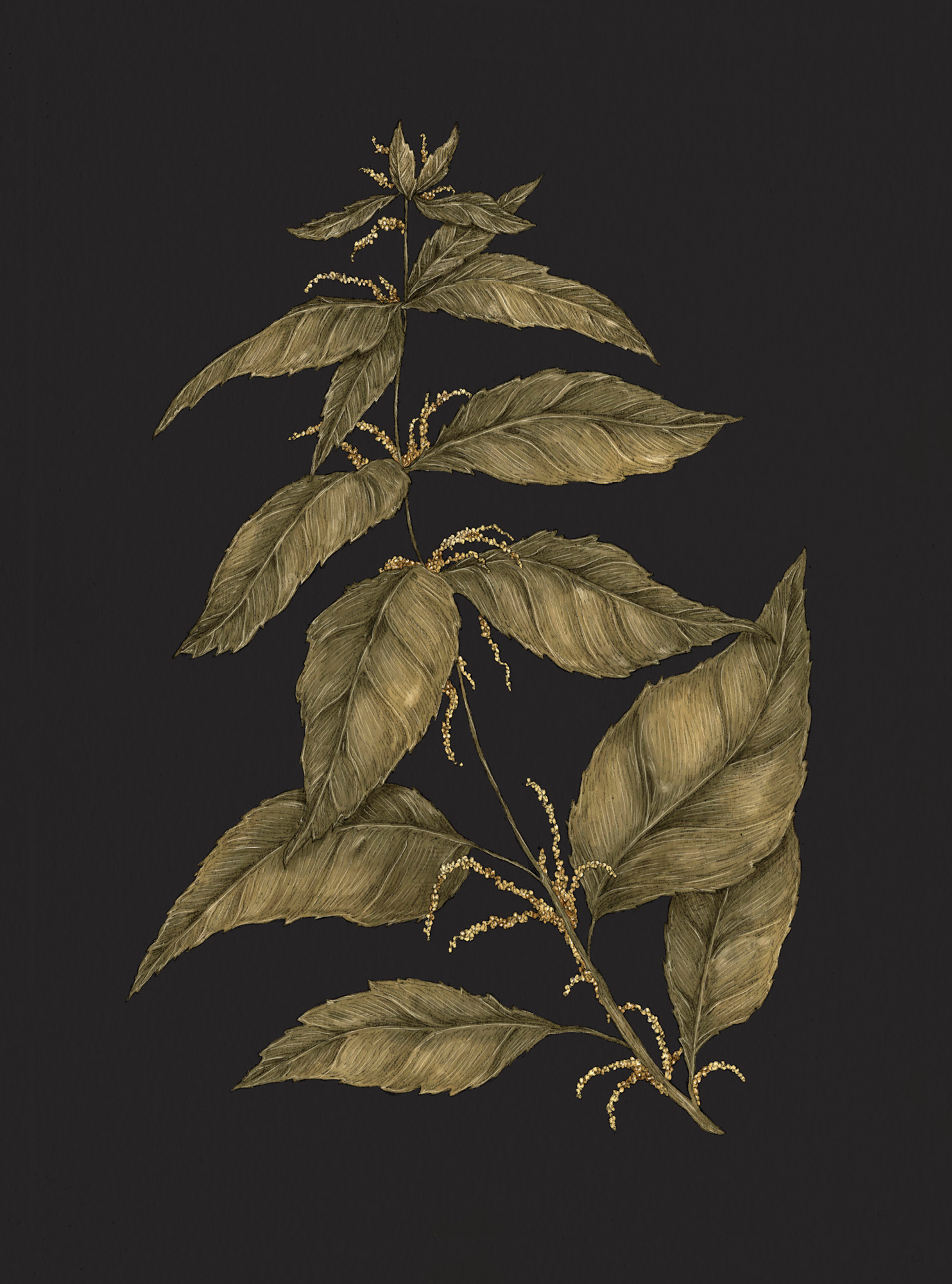
Meaning:
Cruelty
Origin:
The stinging hairs of the nettle plant can cause painful rashes to develop on the skin. In Hans Christian Andersen’s fairy tale, “The Wild Swans,” a young princess named Elise must save her eleven brothers after they are turned into swans by their spiteful stepmother. In order to break the curse, Elise is instructed by a fairy to gather stinging nettles and weave them into shirts for each of her brothers. As she works in silence, the nettles cruelly sting and burn her hands. Accused of sorcery for her strange behavior, Elise is sentenced to burn at the stake. Just before she is put to death, she throws the nettle shirts over her brothers, transforming them back into men. One shirt, however, is left unfinished, leaving her youngest brother with a wing instead of an arm.
Pair with …
Oleander to warn someone that their betrayal has been discovered Petunia to tell someone their apology has been deemed insincere
OAK - Quercus
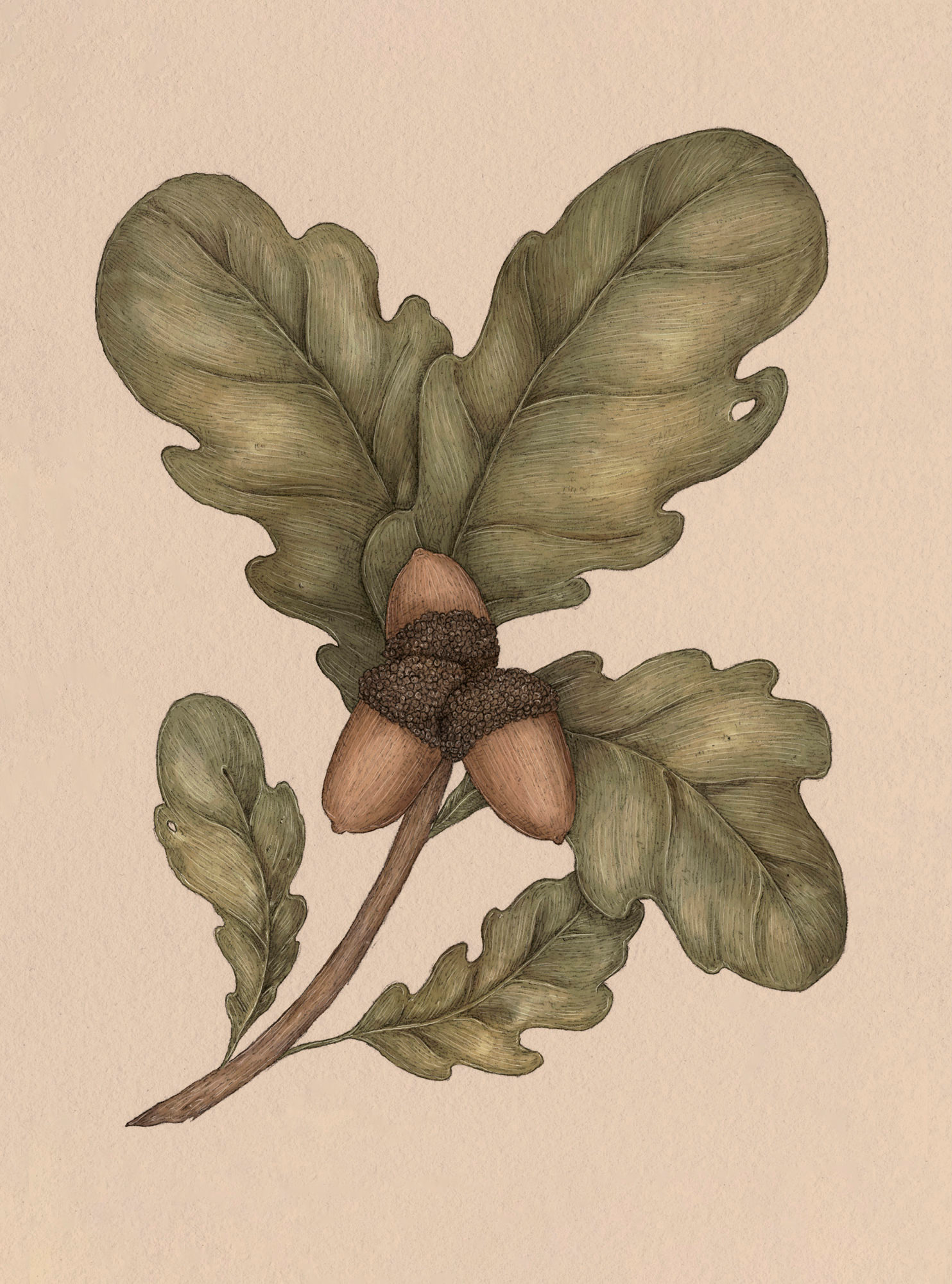
Meaning:
Bravery
Origin:
The oak tree was perhaps the most venerated of all plants throughout much of early history. It has long been associated with brave and triumphant figures in many different cultures. In Greek mythology, the oak is the sacred tree of Zeus. In Norse mythology, it is the tree of life, revered by Thor. And in Celtic Druidic culture, the oak tree was important in many rituals and ceremonies, as it was the sacred tree of the pagan god Dagda.
Pair with …
Sweet William and monkshood for someone you admire Clematis to indicate appreciation for a leader in your life
OLEANDER - Nerium oleander
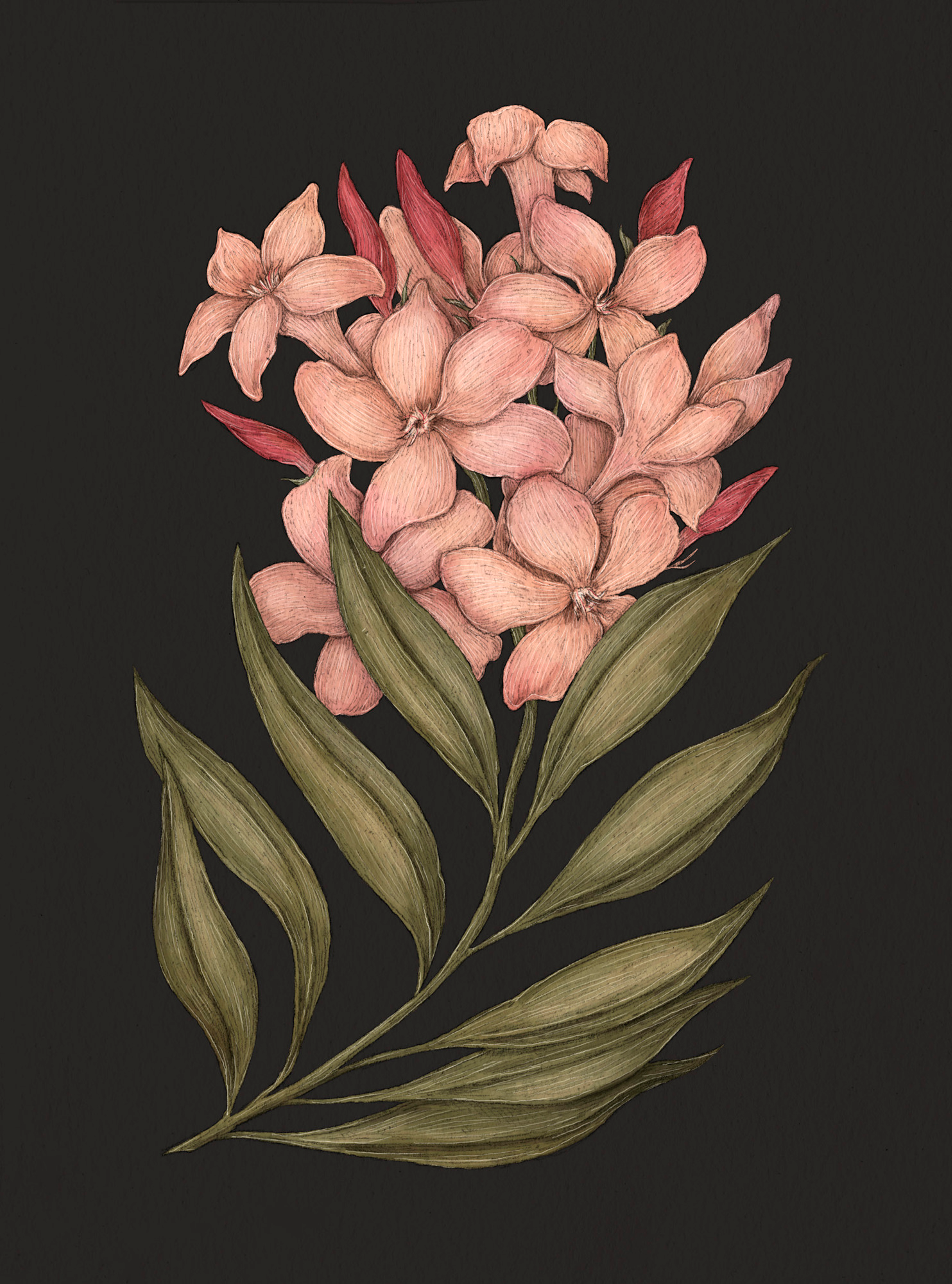
Meaning:
Caution
Origin:
The Victorians assigned the meaning of “caution” to the oleander, perhaps because the plant is poisonous, but also because of its association with the Greek cautionary myth of Hero and Leander. The two were in love, and although they lived on opposite sides of the Hellespont Sea, Leander swam across it every night to visit Hero. One night, during a violent storm, Leander died while trying to swim to his love in the rough waters. When Hero saw Leander’s body washed ashore, she called out, “O, Leander! O, Leander!” and drowned herself to be with him in death.
Pair with …
Azalea to warn someone they’re about to make a poor choice Sunflower to caution a friend against a bad investment
OLIVE - Olea
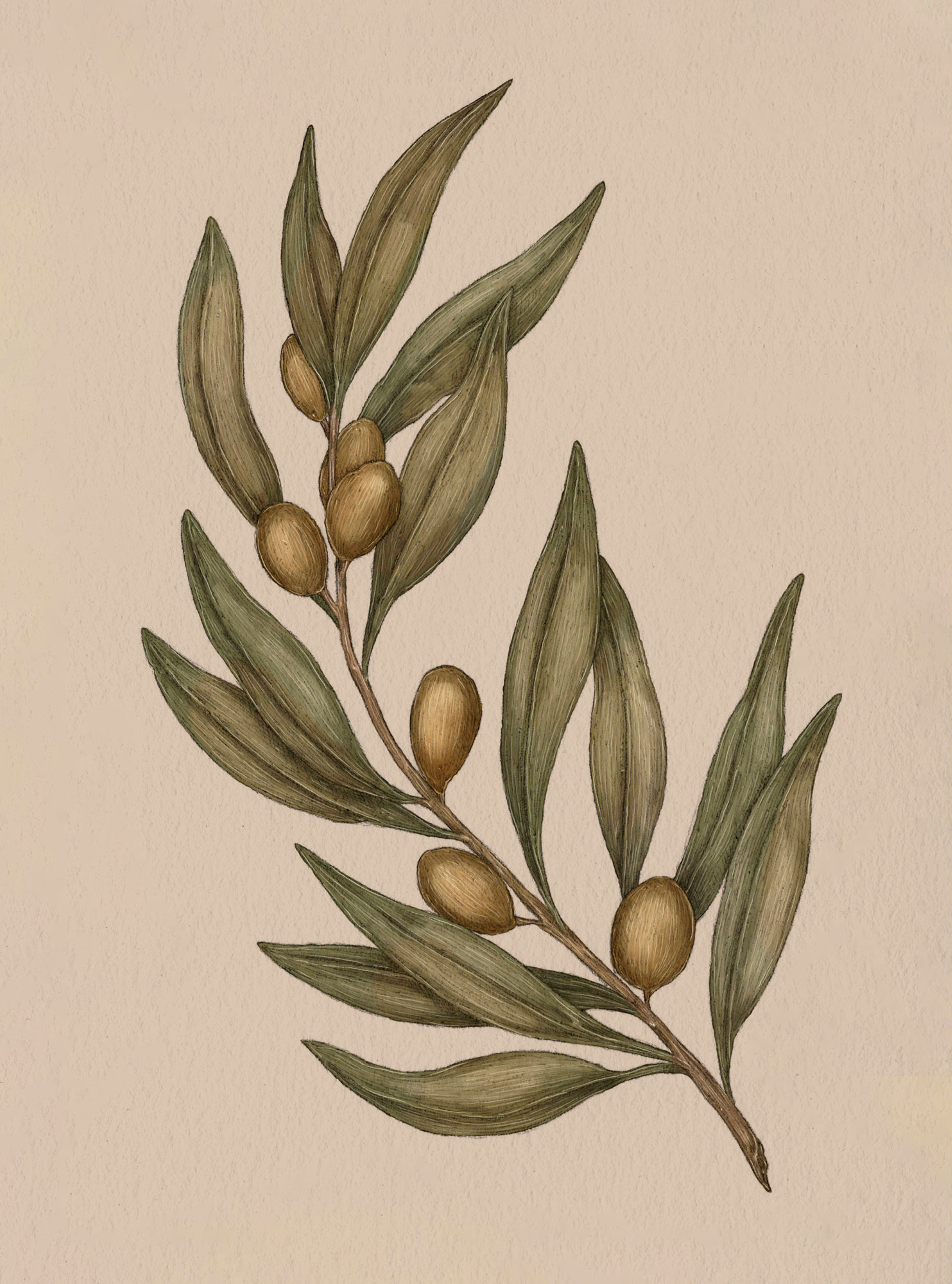
Meaning:
Peace
Origin:
To “extend an olive branch” is to offer reconciliation and peace. This phrase comes from the Old Testament story of Noah’s Ark, in which Noah assembles an ark and fills it with pairs of animals before a great flood. After many days at sea, he sends a dove to search for land, and the dove returns with an olive branch in its beak, indicating land— and peace—are near.
Pair with …
Hawthorn and rue to ask for forgiveness Queen Anne’s lace as a housewarming gift
ORANGE BLOSSOM - Citrus sinensis
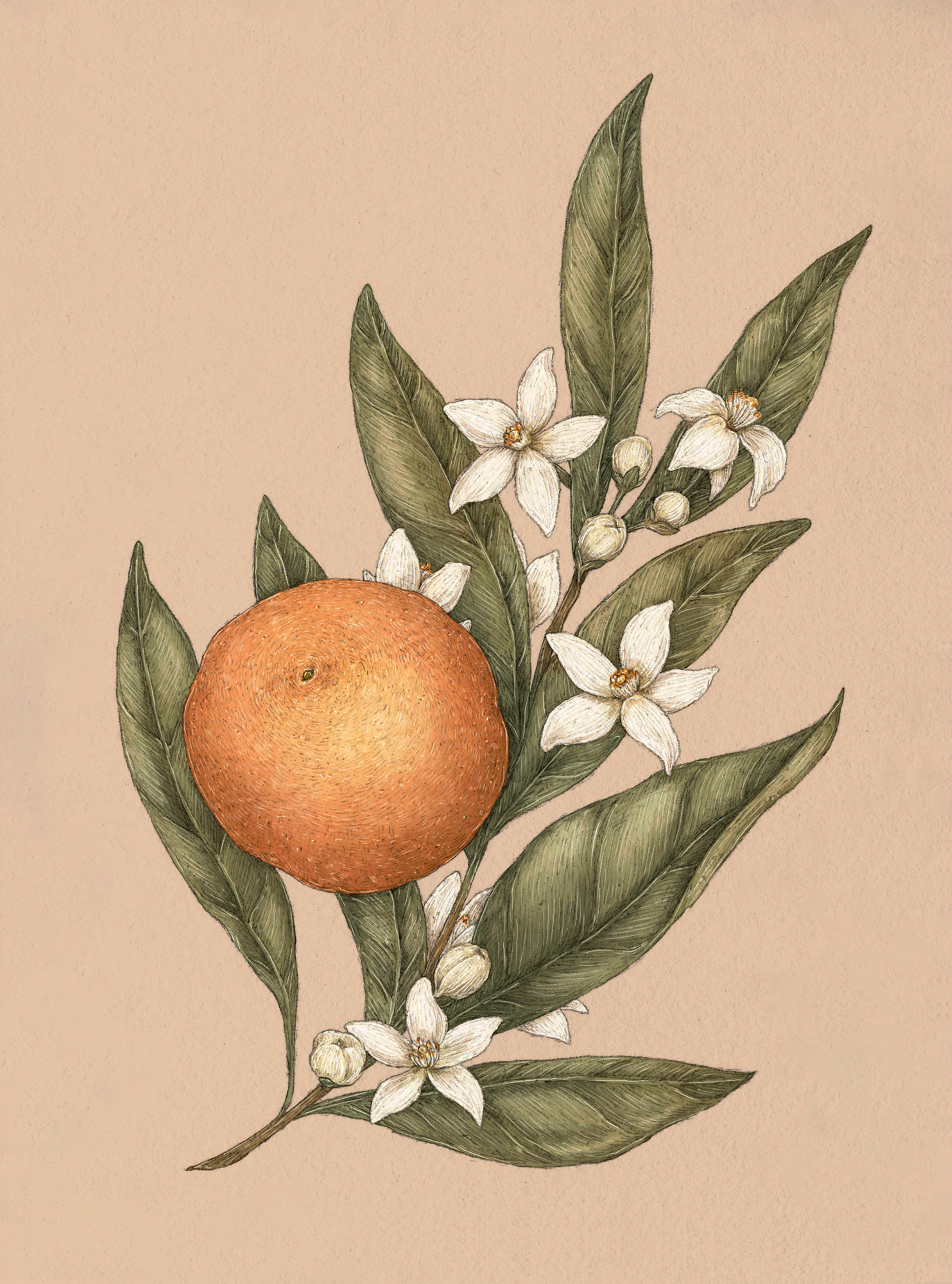
Meaning:
Eternal love
Origin:
The orange blossom was one of the most popular wedding flowers during the Victorian era; from simple ceremonies to extravagant galas, almost every wedding included the orange blossom. When Queen Victoria married Prince Albert in 1840, she wore a headdress of orange blossoms. This flower’s association with eternal love can be traced to ancient Greece: when Hera married Zeus, she was given orange blossoms by Gaea, the ancient goddess of the earth and fertility.
Pair with …
Dogwood for an anniversary gift after a difficult year Ivy for a long-lasting relationship
ORCHID - Orchis
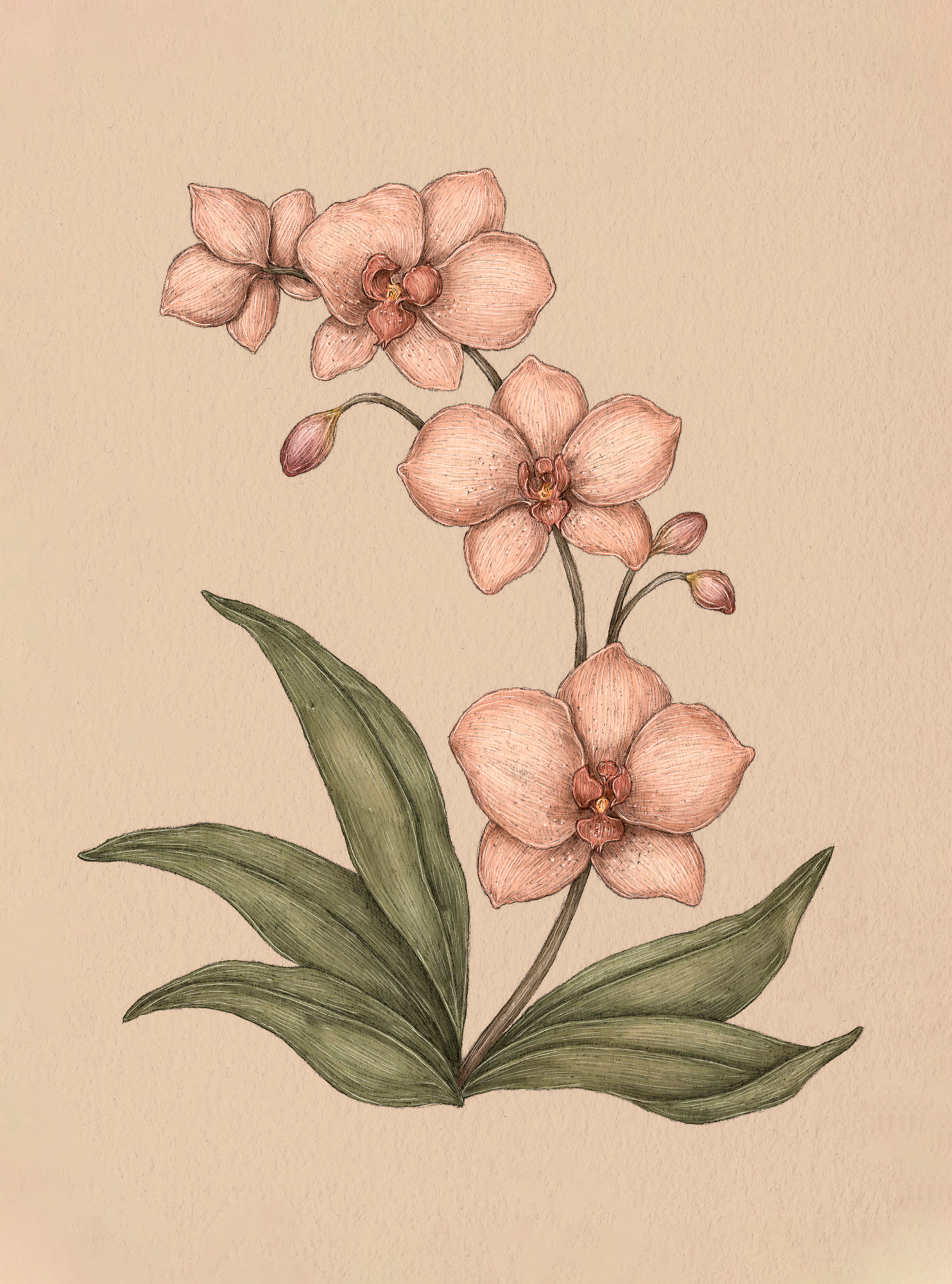
Meaning:
Elegance Beauty
Origin:
The orchid’s colorful, delicate, and shapely petals easily evoke elegance and beauty. The flower became an exotic luxury during the Victorian era, when only the wealthy could afford the expensive bloom.
Pair with …
Camellia for a friend you miss Magnolia as a gift for someone you admire
PANSY - Viola tricolor var. hortensis
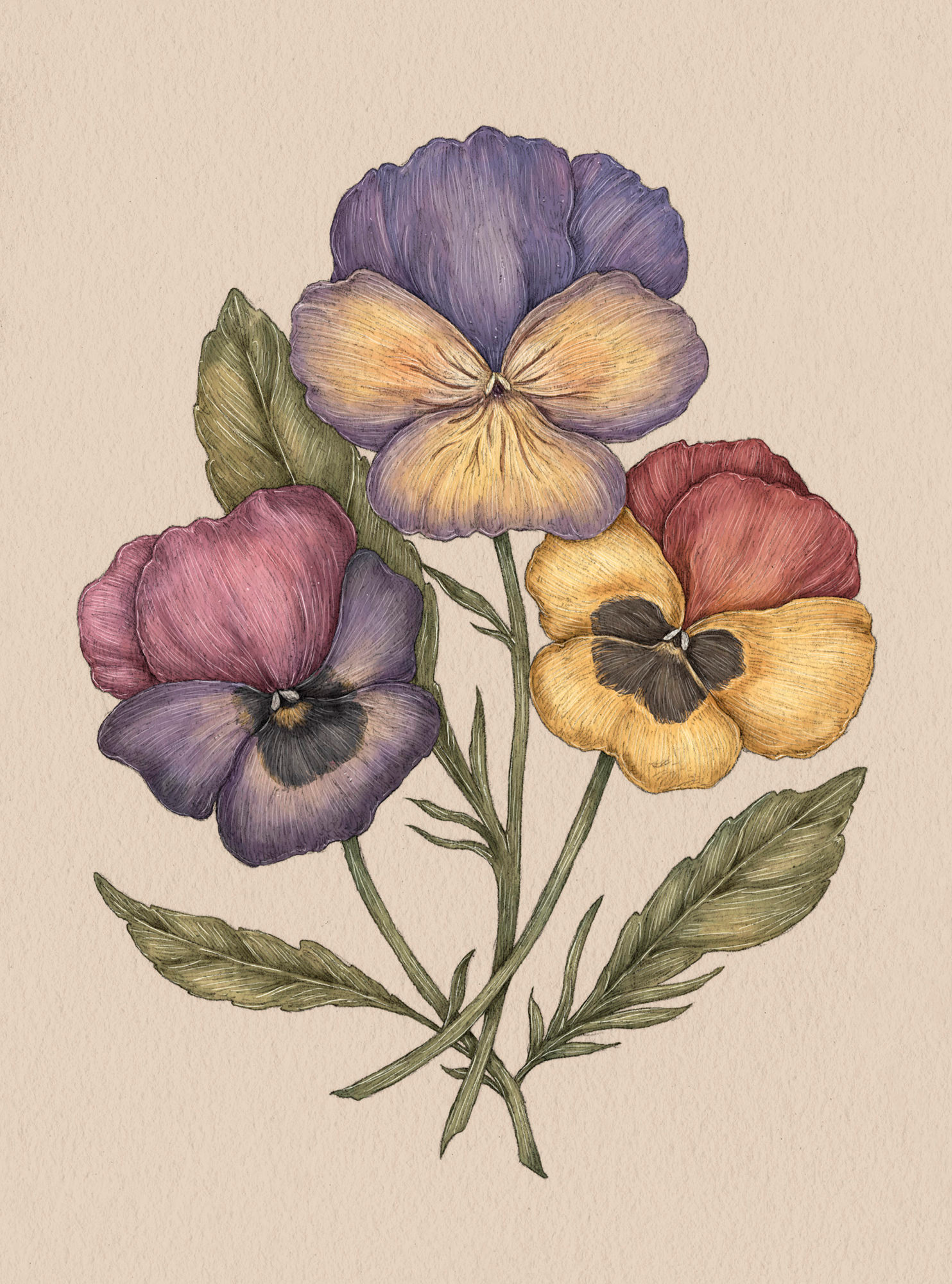
Meaning:
You occupy my thoughts
Origin:
The name “pansy” comes from the French pensée, meaning “thought.” In Shakespeare’s Hamlet, Ophelia remarks, “There’s pansies, that’s for thoughts,” while distributing flowers after the death of her father.
Pair with …
Chrysanthemum for a loved one going through a rough time Forget-me-not as a gift for a friend whose kindness and generosity you’ll never forget
PASSIONFLOWER - Passiflora
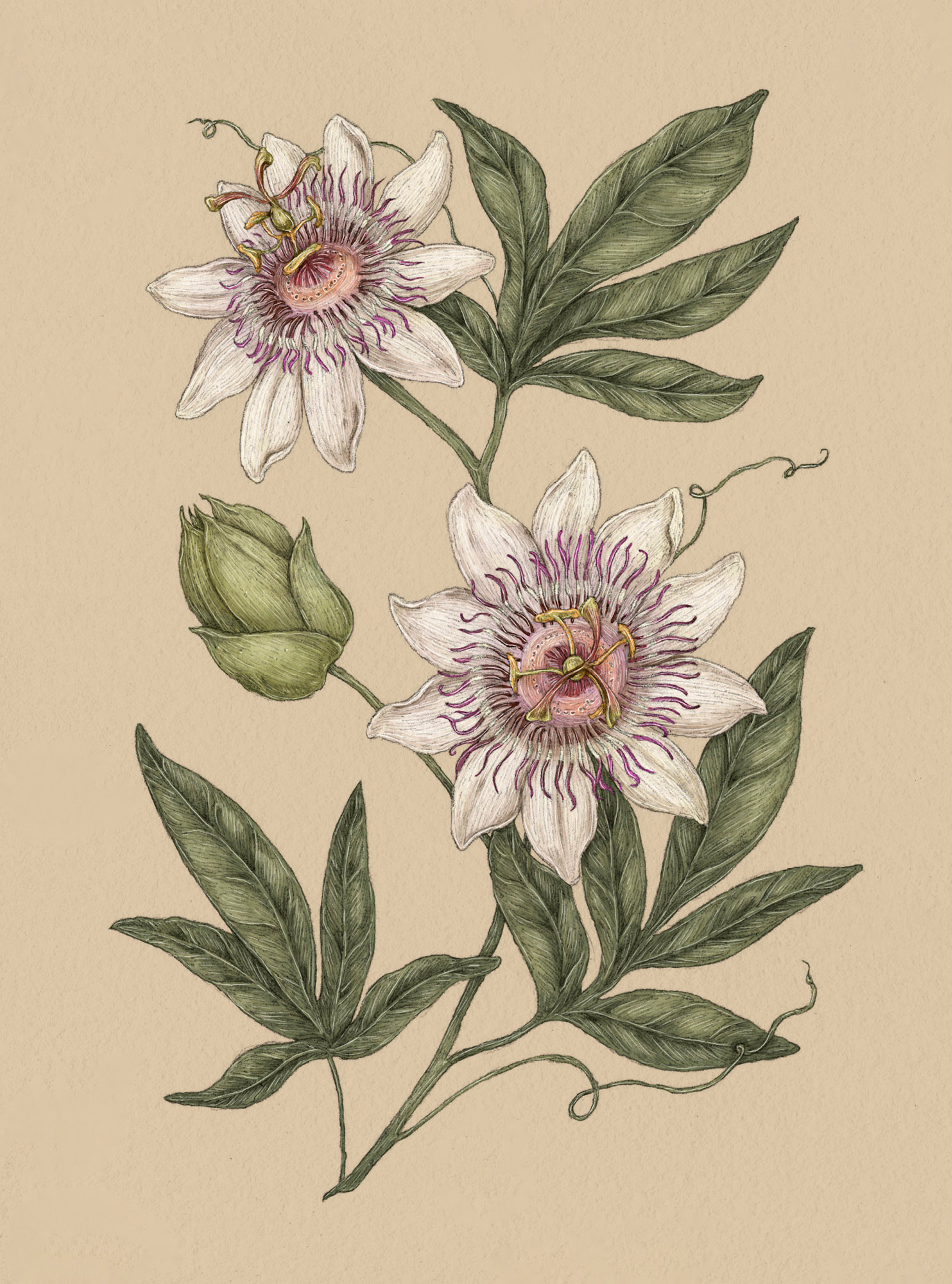
Meaning:
Faith
Origin:
In the sixteenth century, Jesuit missionaries came across the passionflower in South America. They believed the flower to be a symbol of the Passion of Christ. The ten petals represent the ten faithful apostles, the filaments the crown of thorns, the stamens the five wounds, the ovum the hammer, and the styles the three nails that pierced the hands and feet of Christ.
Pair with …
Edelweiss to indicate faith that someone will make the right choice, even if it is difficult Iris as a gift for a religious leader
PEONY - Paeonia
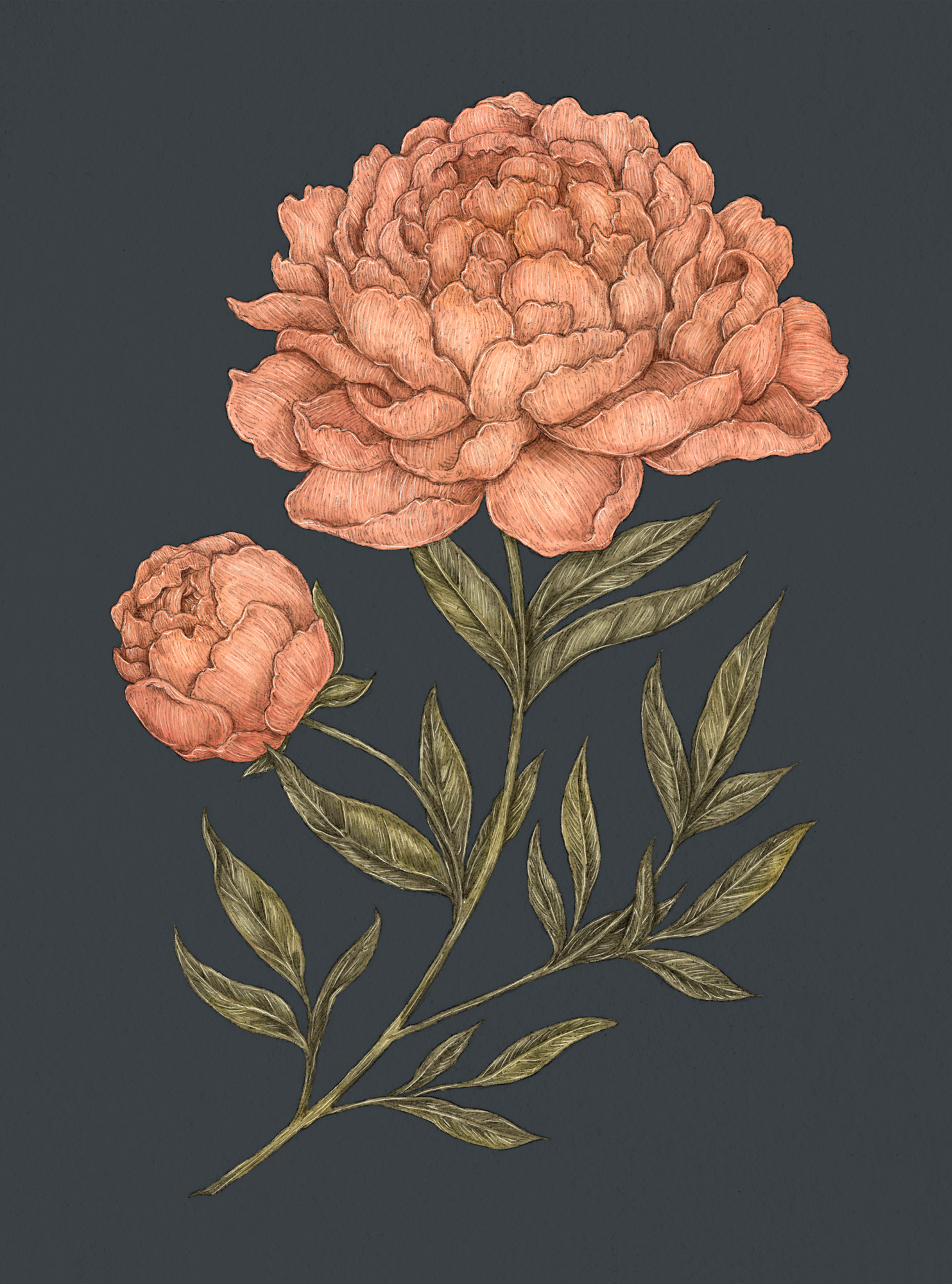
Meaning:
Bashfulness
Origin:
In ancient Greece, it was said that nymphs could turn themselves into peony flowers to avoid being seen by humans. Bashful creatures by nature, they wished to hide from mortal eyes. Likewise, even in full bloom, peonies’ petals curl inward, protecting their delicate centers.
Pair with …
Hyacinth and violet to apologize and ask for forgiveness Foxglove as a gift for a secret admirer
PETUNIA - Petunia
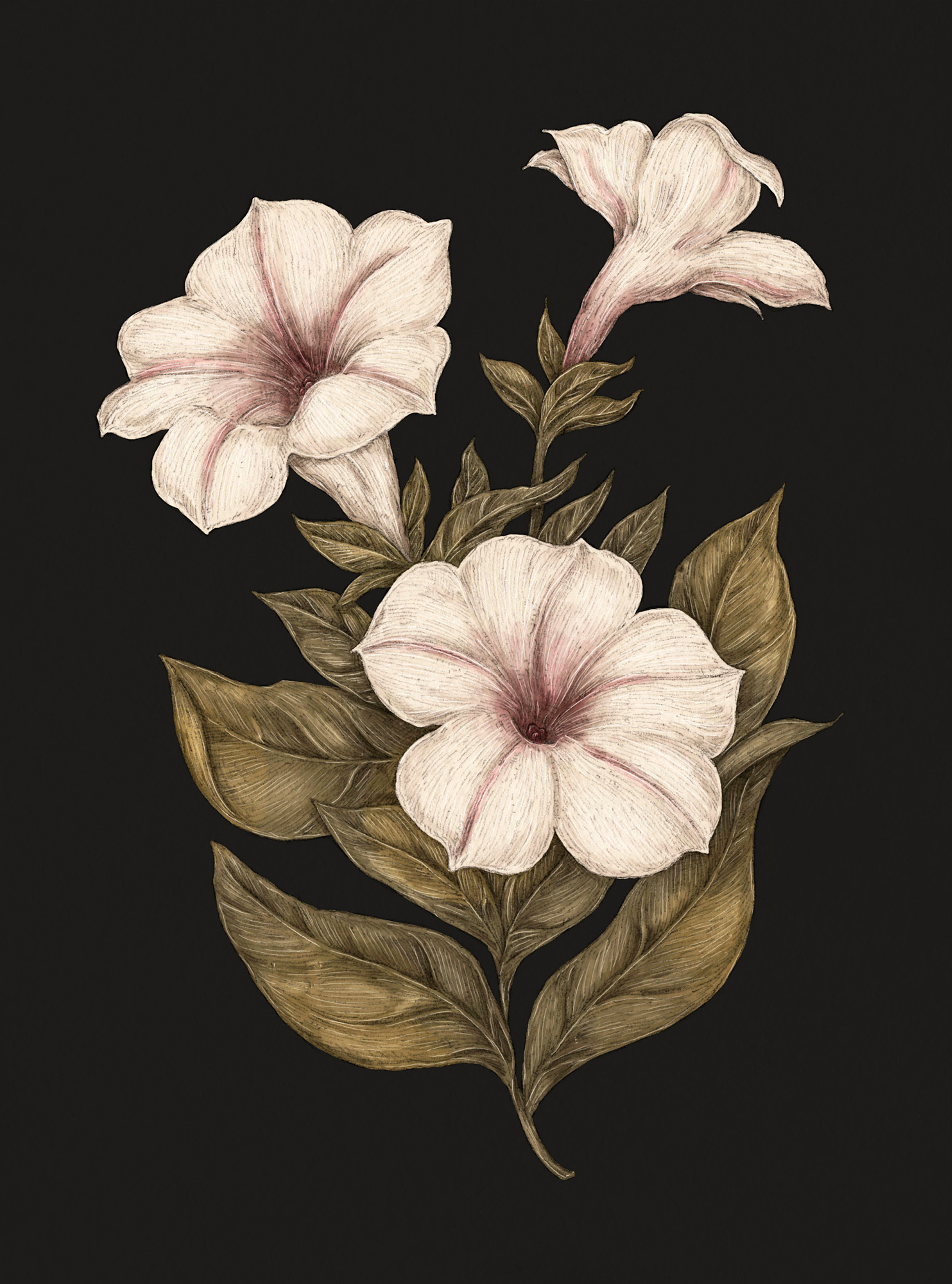
Meanings:
Anger Resentment
Origin:
Little is recorded about the origin of this meaning. The petunia is sensitive and easily damaged—perhaps like a person who is filled with anger or resentment.
Pair with …
Wormwood to indicate displeasure at an outcome Rosemary to show you will not forget someone’s wrongdoing
POPPY - Papaver somniferum
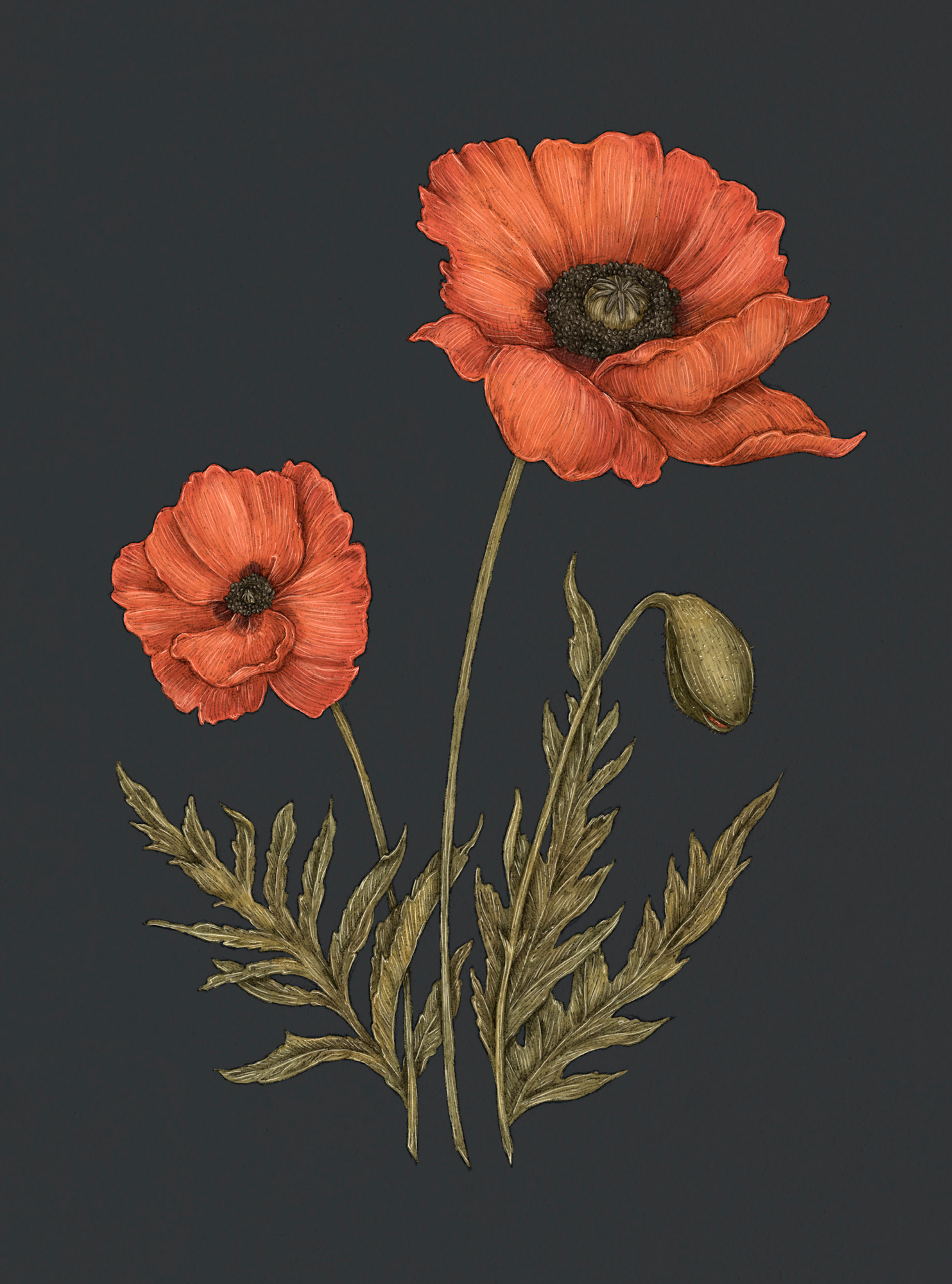
Meaning:
Eternal sleep
Origin:
The poppy is known for its narcotic effects; it is used to make the sedative opium. According to Greek myth, poppies grew in the land of the dead. They were associated with Demeter, whose daughter, Persephone, was the queen of the underworld.
Pair with …
Snowdrop for the loss of a loved one Dahlia to mark the grave of a cherished companion
PROTEA - Protea
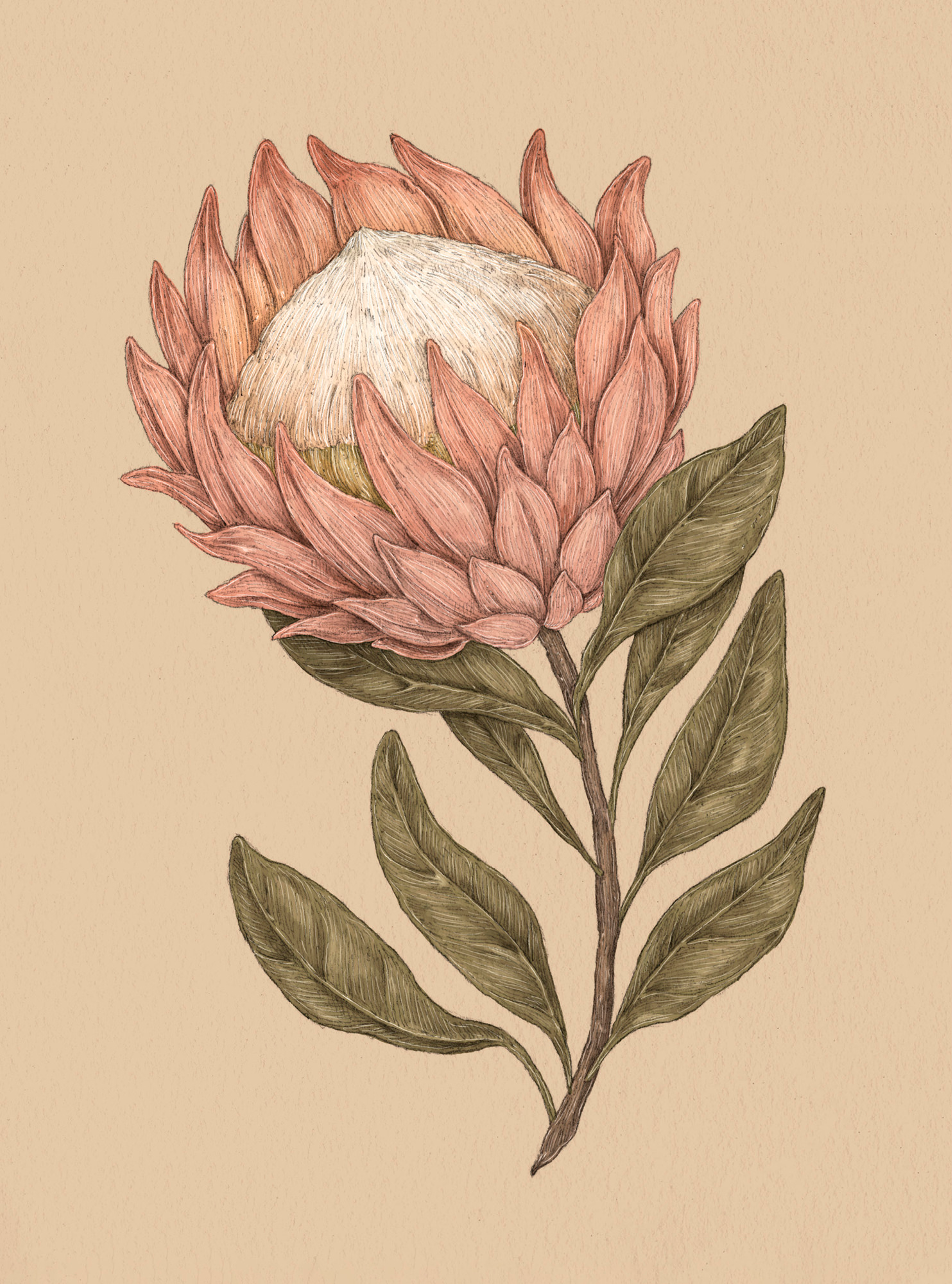
Meaning:
Transformation
Origin:
The protea flower was named for Proteus, the son of the Greek god Poseidon. Like Proteus, who could change shape whenever he wanted, Protea is an extraordinarily diverse plant genus, able to take many different forms.
Pair with …
Laurel to congratulate a friend on their life-altering achievement Lily of the valley as a gift for someone recovering from an illness
QUEEN ANNE’S LACE - Daucus
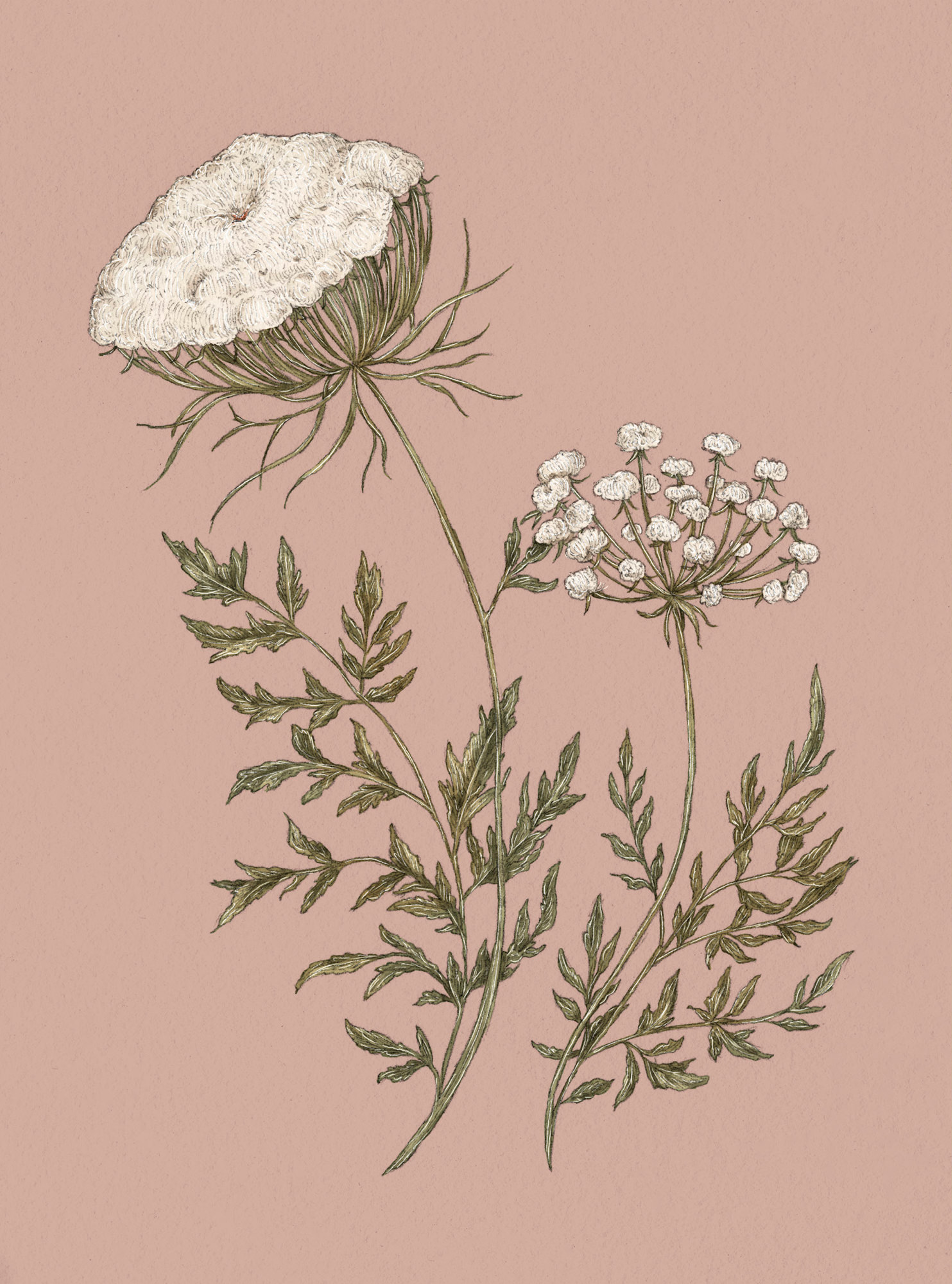
Meaning:
Sanctuary
Origin:
The lacy fronds of Queen Anne’s lace fold together in a shield or nest-like shape, providing sanctuary and protection for their inhabitants. It is often called “bird’s nest” for this reason.
Pair with …
Cattail for a housewarming gift Apple blossom for a friend purchasing a new home
ROSE - Rosa
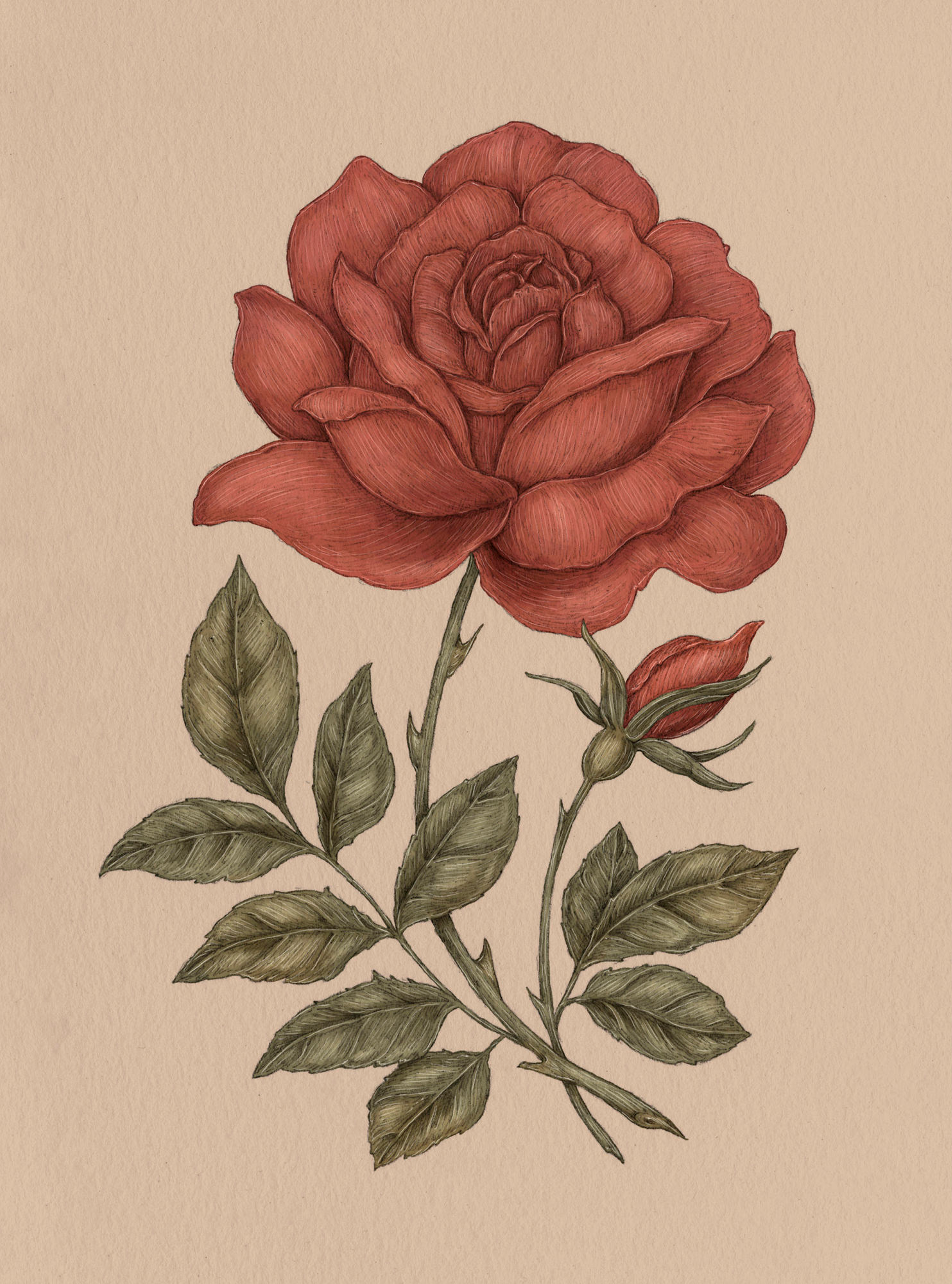
Meaning:
Love
Origin:
The rose flower has been closely linked to love in many cultures throughout history. Its lushly layered petals and sweet aroma may explain why. For the Victorians, the color of the rose indicated the level of affection: a white rose was for innocent love; a blush pink rose was for a blossoming romance; and a deep red rose for passion. In Greek myth, Chloris, the goddess of flowers, is said to have turned a beautiful, dead nymph into a rose. She invited Apollo to warm the bloom, Aphrodite to lend it her beauty, Dionysus to add sweet nectar, and the three Graces to supply charm, joy, and magnificence. Chloris called the rose the “Queen of Flowers.”
Pair with …
Baby’s breath for a wedding celebration Cornflower for hope in a new romantic pursuit
ROSEMARY - Salvia rosmarinus
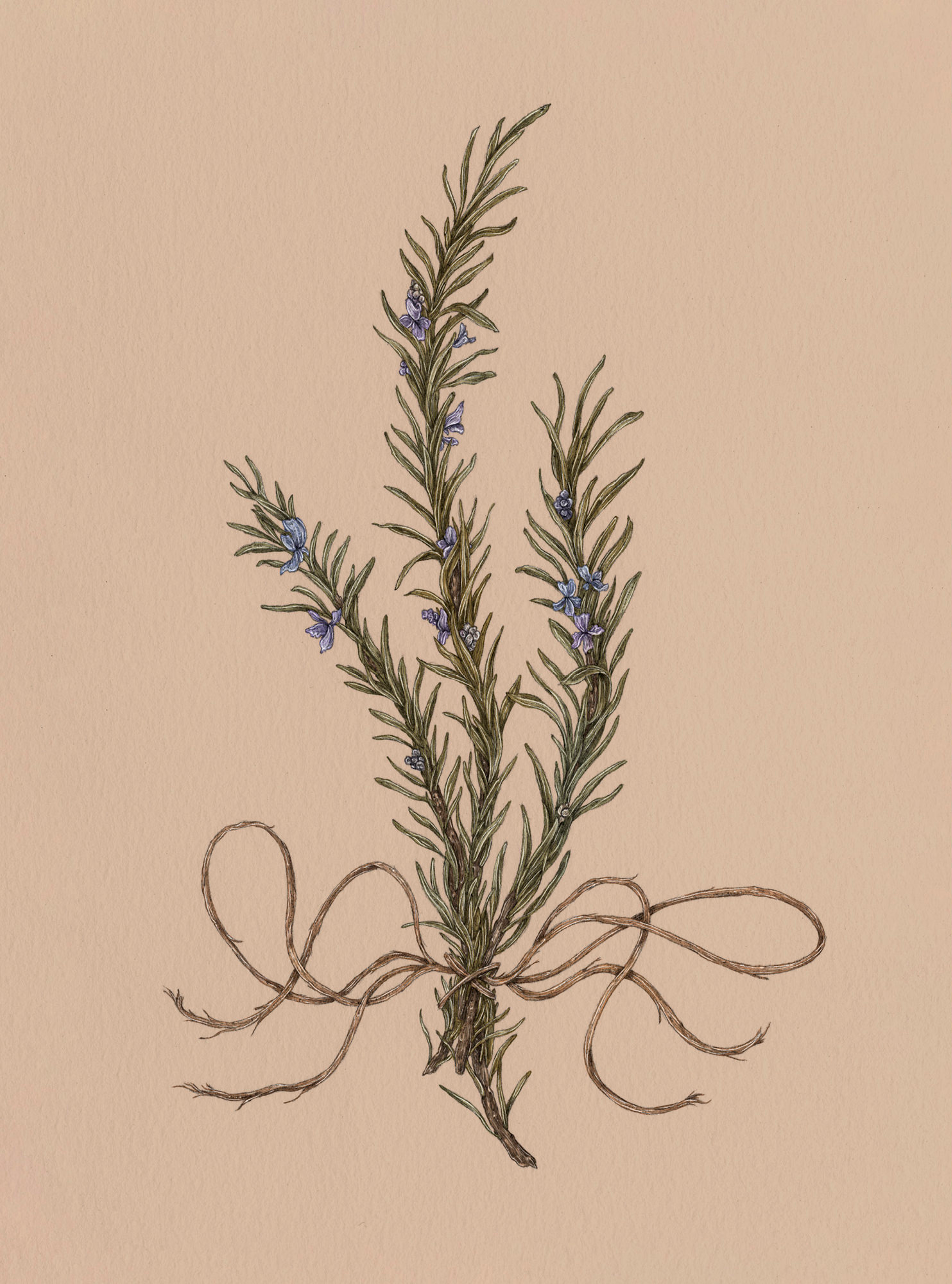
Meanings:
Remembrance Wisdom
Origin:
Rosemary has been associated with memory since ancient Greece; to help them recall their studies, Greek scholars wore crowns of rosemary during their examinations. This symbolism was cemented with the help of Shakespeare. In Hamlet, during her famous “flower speech,” Ophelia mentions the fragrant herb: “There’s rosemary, that’s for remembrance. Pray you, love, remember.”
Pair with …
Crocus to reminisce about the past Clematis for confidence in scholarly pursuits
RUE - Ruta
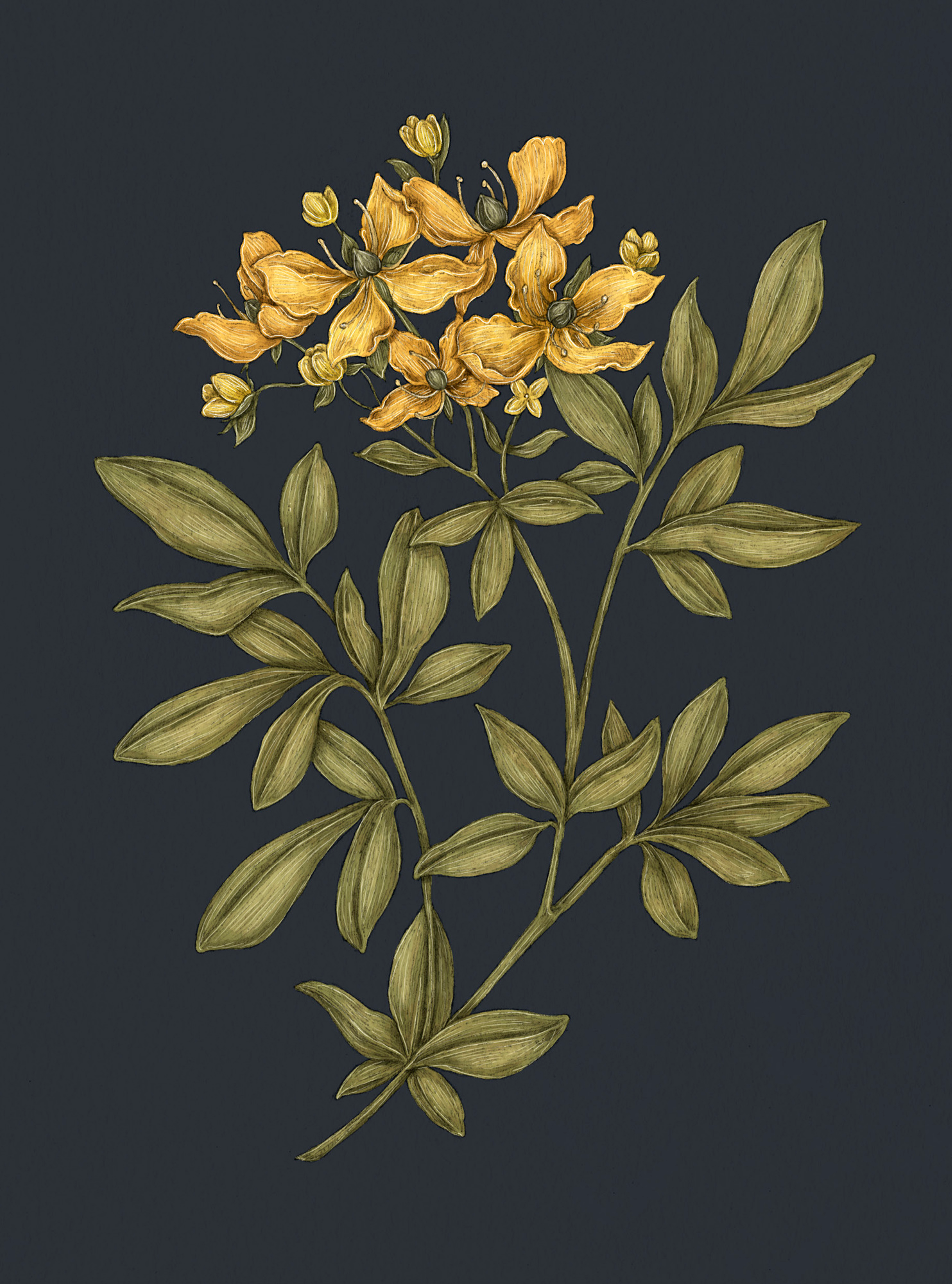
Meaning:
Regret
Origin:
While the English word “rue,” meaning regre, and this plant’s common name are etymologically unrelated, the Victorians still used the bitter-smelling Ruta graveolens to indicate regret. Most often, rue was sent, not to express regret on the part of the sender, but as a warning or threat, as in, “You’ll regret what you’ve done.”
Pair with …
Hyacinth to ask for forgiveness Willow and chrysanthemum as a gift for a friend experiencing loss
SNAPDRAGON - Antirrhinum
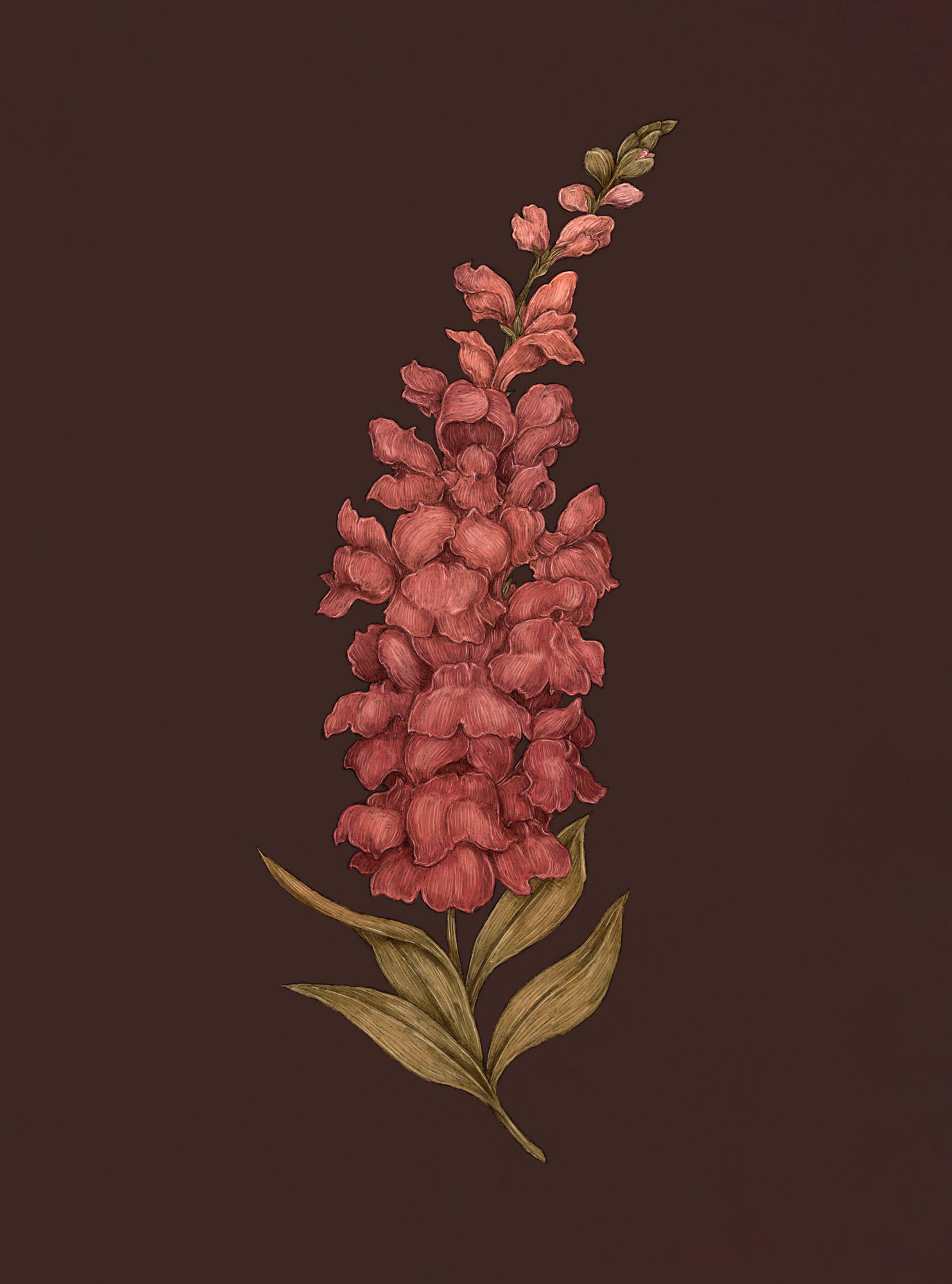
Meaning:
Presumption
Origin:
Snapdragon’s link to presumption may derive from a medieval fashion practice: maidens would wear snapdragons in their hair to show they were not interested in unsolicited attention from men. The flower warned young men against presumption in a subtle and elegant way.
Pair with …
Asphodel to apologize for a lack of discretion Holly to indicate your oversight will not happen again
SNOWDROP - Galanthus
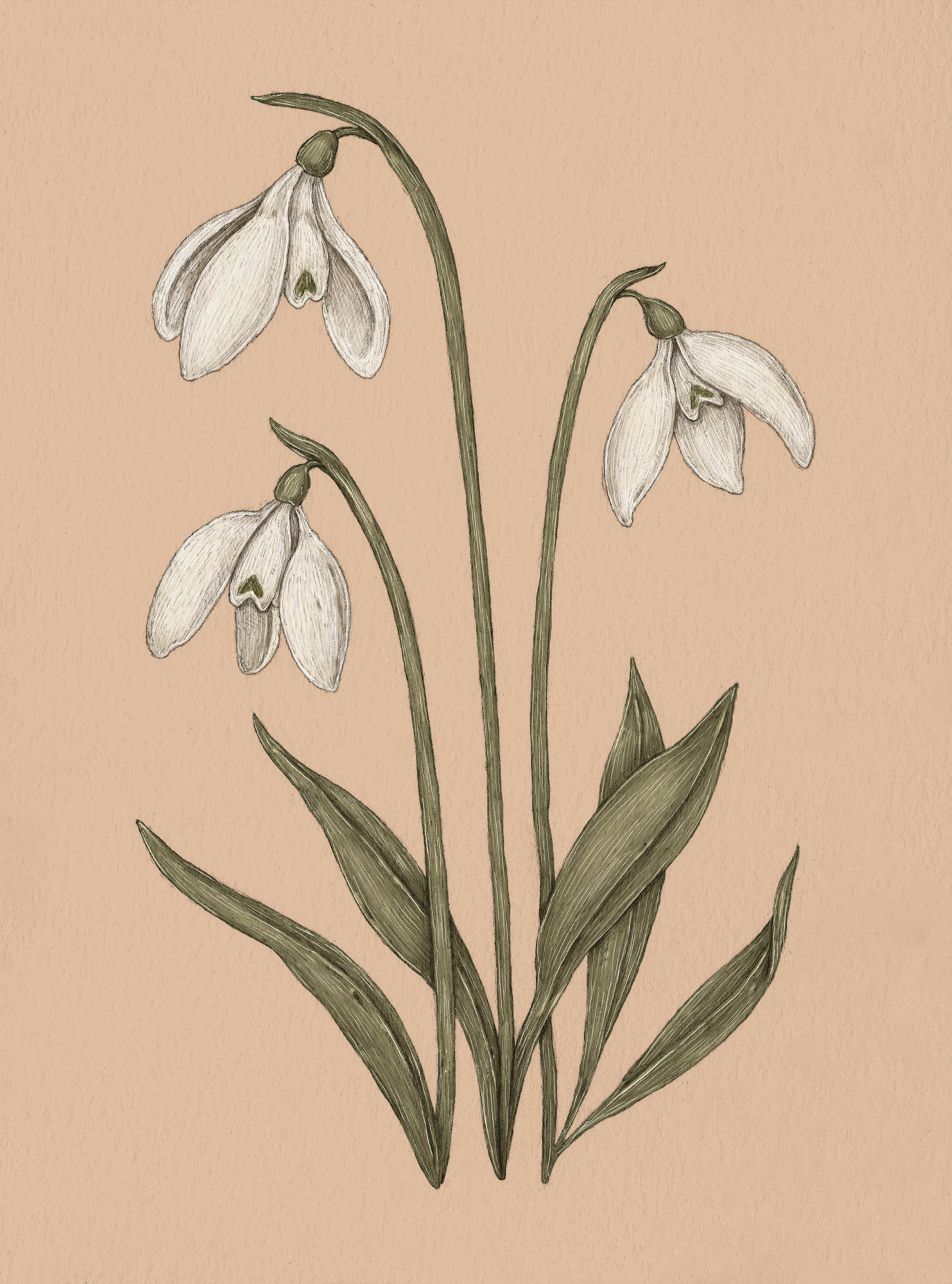
Meaning:
Consolation Hope
Origin:
One of the first flowers to bloom in the depths of winter, the bright white snowdrop is a sign that spring—and a turn toward better, easier days—is coming. Victorians loved this unique flower but warned against bringing it into the home. If brought indoors, it was considered a bad omen, perhaps even a harbinger of death.
Pair with …
Carnation for a broken heart Mistletoe to indicate endurance through difficult times
SUNFLOWER - Helianthus
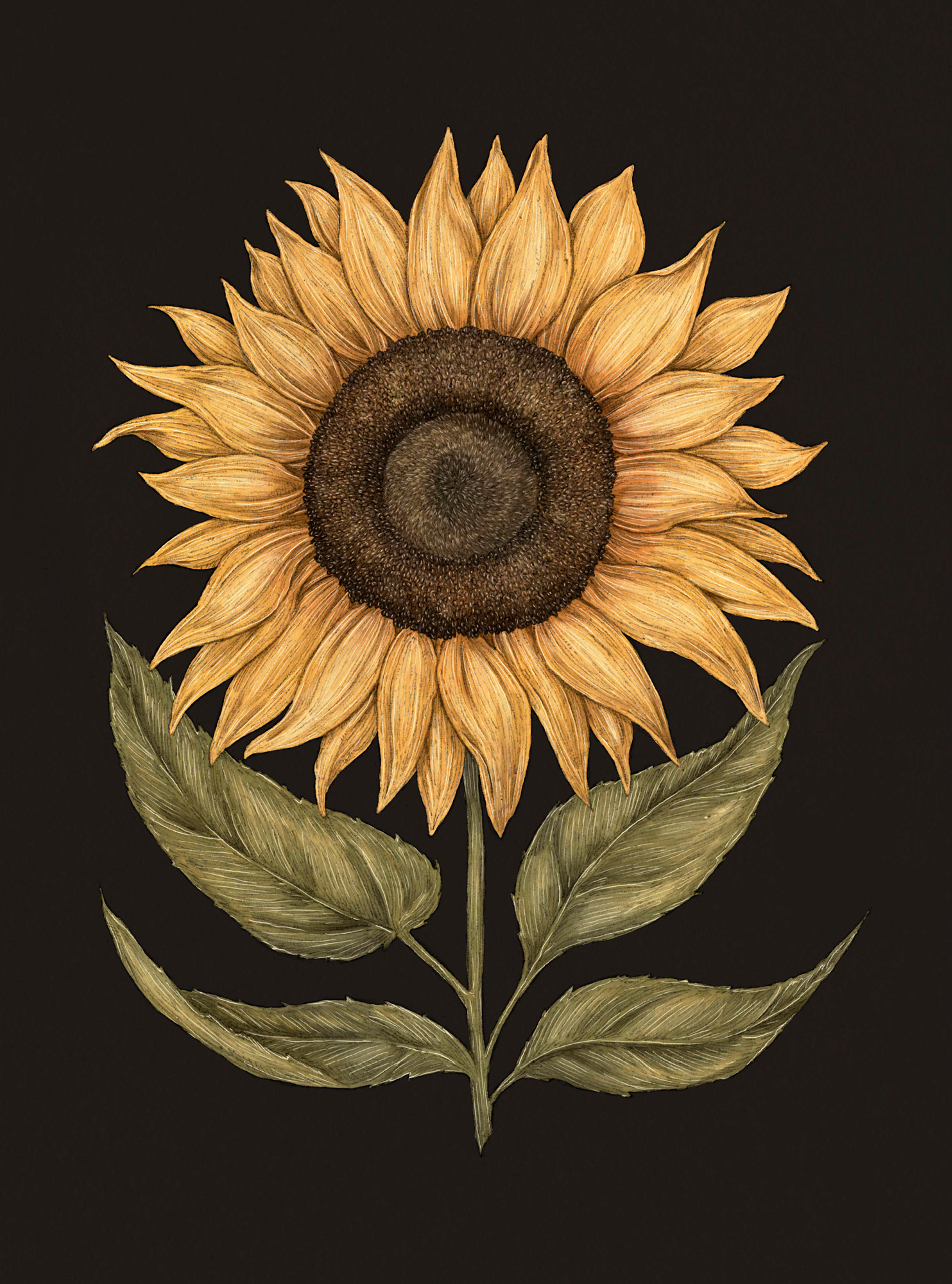
Meaning:
False riches
Origin:
The ancient Inca believed this large, yellow flower to symbolize the sun god, Inti, and they decorated their bodies and temples in sunflower-shaped jewelry made of gold. As Spanish conquistadores arrived, they were impressed by this abundance of treasure, and when they saw a field of sunflowers, they believed, at first, they’d come upon a literal trove of gold. Their mistake led to the bloom’s association with “false riches.”
Pair with …
Bluebell and columbine to show humility for foolish past behavior Lavender to indicate distrust in a business partner
SWEET PEA - Lathyrus odoratus
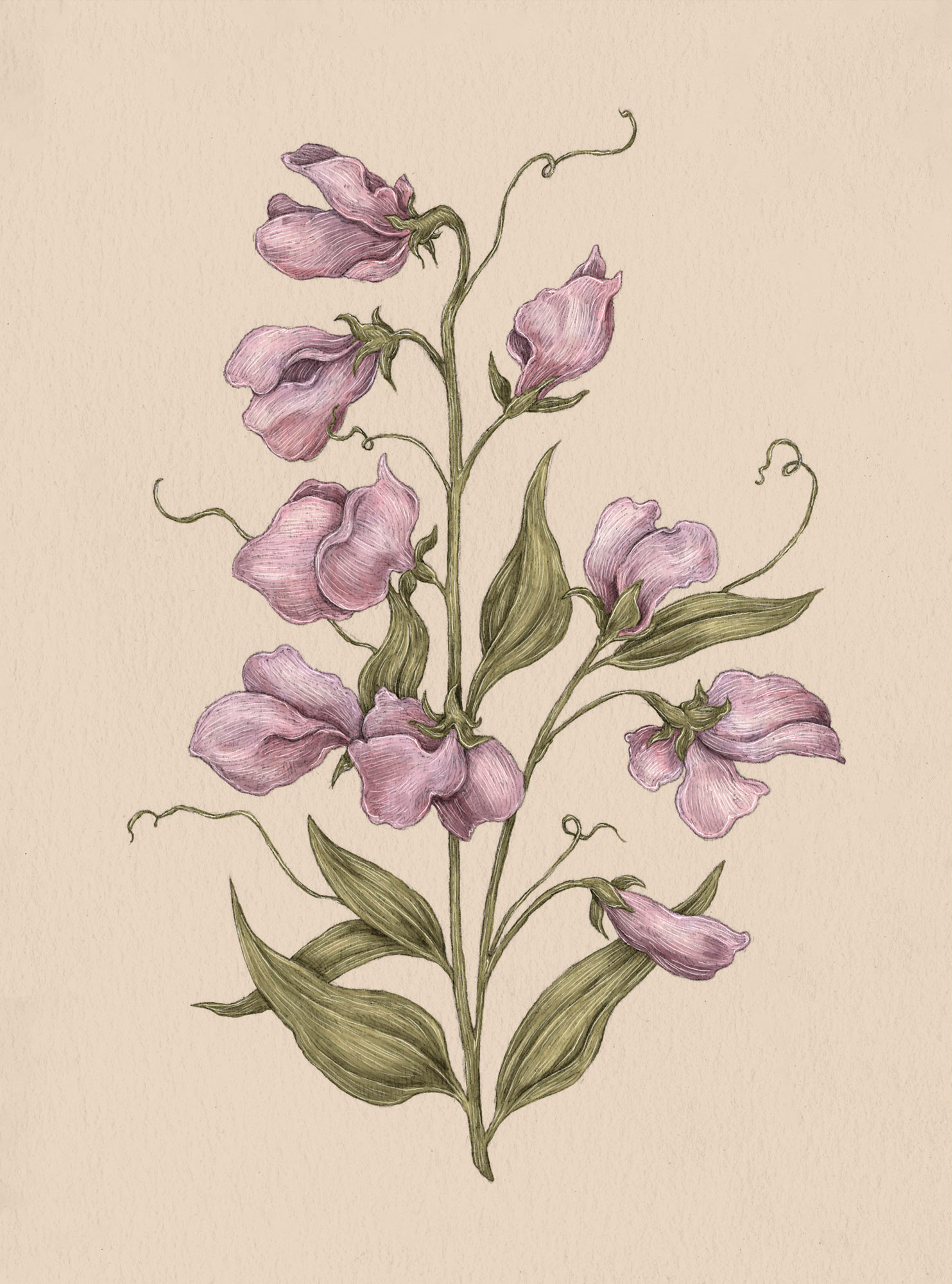
Meaning:
Thank you for a lovely time
Origin:
Victorians gave sweet peas to thank their hosts for an enjoyable time. The flower’s light and sweet smell was believed to brighten the home and serve as a symbol of hospitality.
Pair with …
Hyssop and orchid to thank a friend for inviting you to their home Zinnia as a token of appreciation
SWEET WILLIAM - Dianthus barbatus
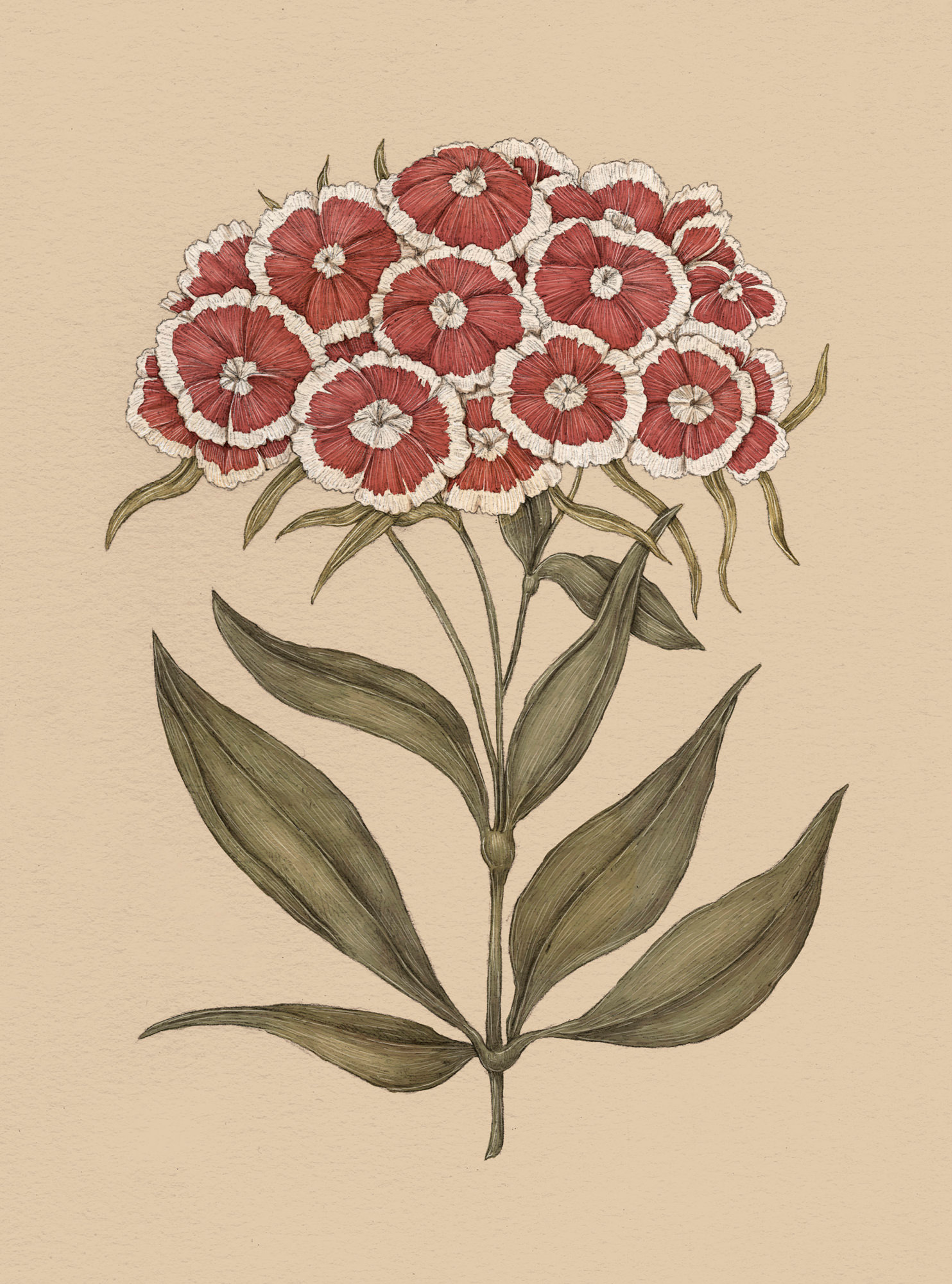
Meaning:
Gallantry
Origin:
The origin of this flower’s common name is uncertain; many have speculated that the bloom was named for various historical Williams —including William Shakespeare and William the Conqueror, among others—but no namesake has been confirmed. “Sweet William” was a common moniker for the gallant young men who featured in English folkloric stories and ballads.
Pair with …
Eucalyptus to show you will protect a loved one in the face of adversity Honeysuckle to indicate commitment to a relationship
TANSY - Tanacetum vulgare
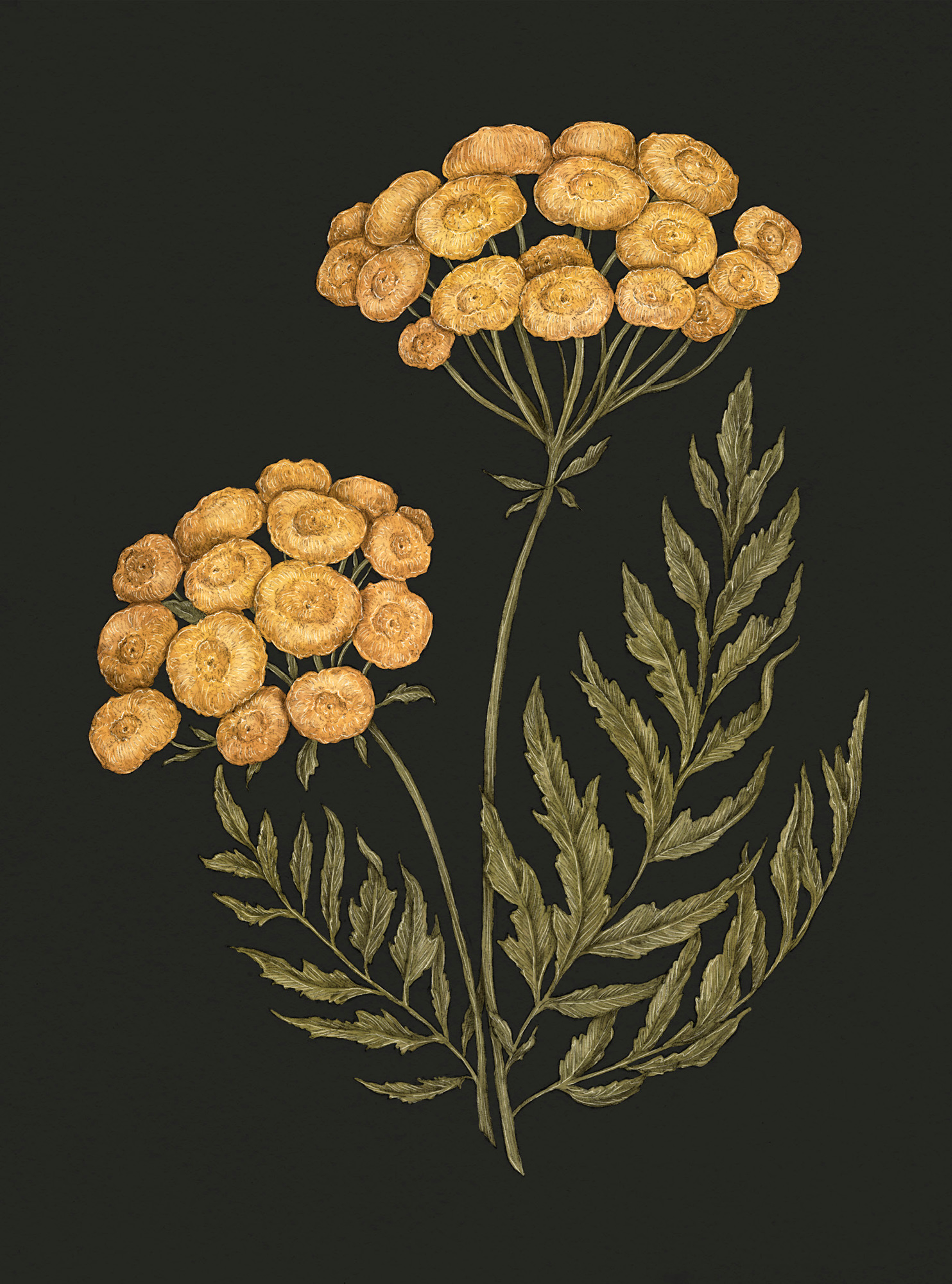
Meaning:
Hostility
Origin:
The tansy’s folk medicinal uses may have given rise to its meaning. In the Middle Ages, the plant was used in high doses to induce abortion and treat intestinal worms. Because the plant made people ill, in Victorian times, sending a bouquet of tansy flowers was a way of declaring that the recipient had made the sender sick to their stomach.
Pair with …
Anemone for a spurned lover Snapdragon for someone giving you a difficult time
THISTLE - Cirsium
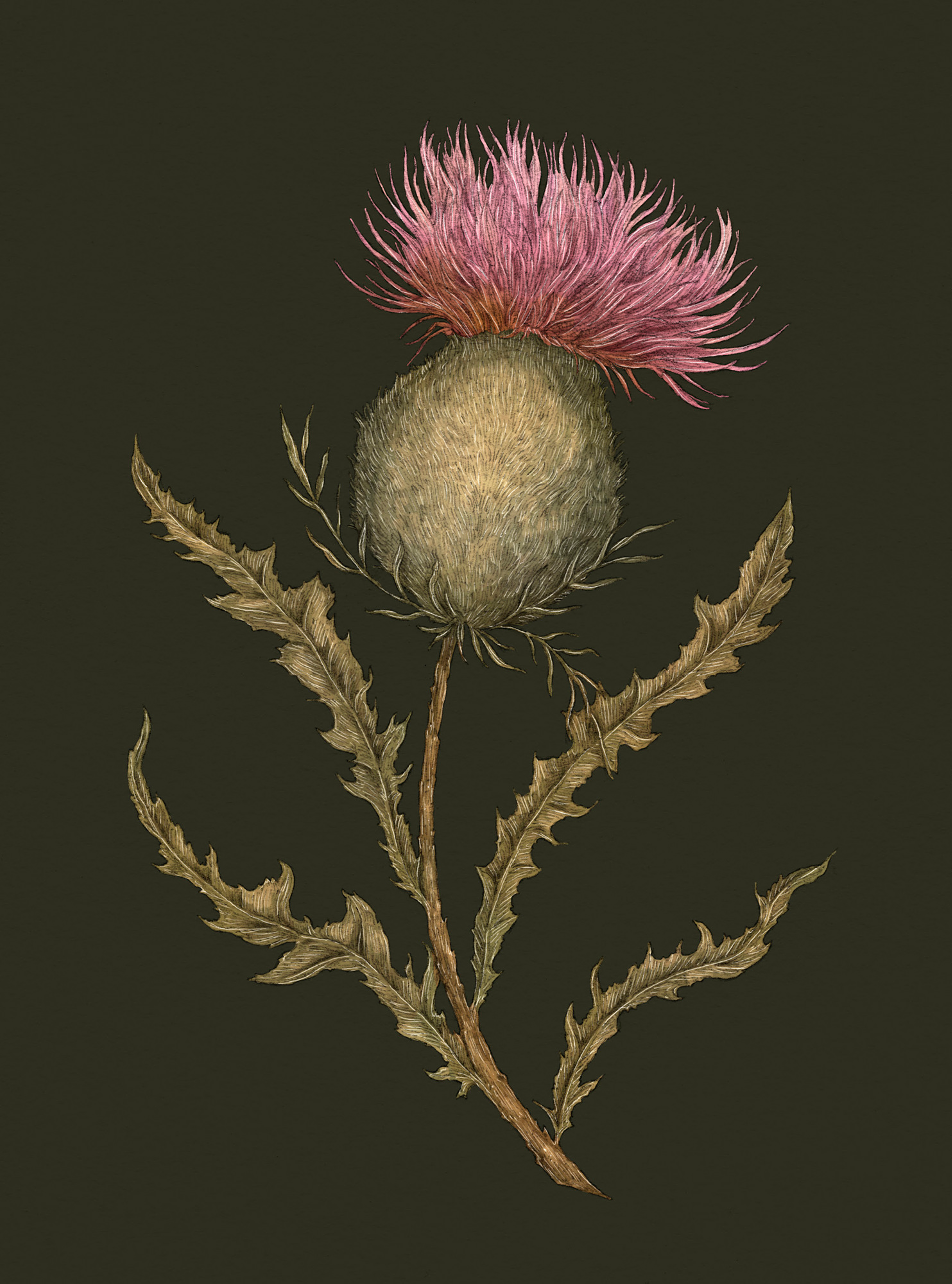
Meaning:
Misanthropy
Origin:
It’s no surprise that the spindly, prickly thistle is associated with misanthropy. Its meaning also has biblical roots: in Genesis, when God cast Adam and Eve out of Eden, God told them that thorns and thistles would grow from the land as part of their punishment.
Pair with …
Rosemary to indicate you see through someone’s facade Pansy to show you’re thinking of a friend going through a bitter separation
TULIP - Tulipa
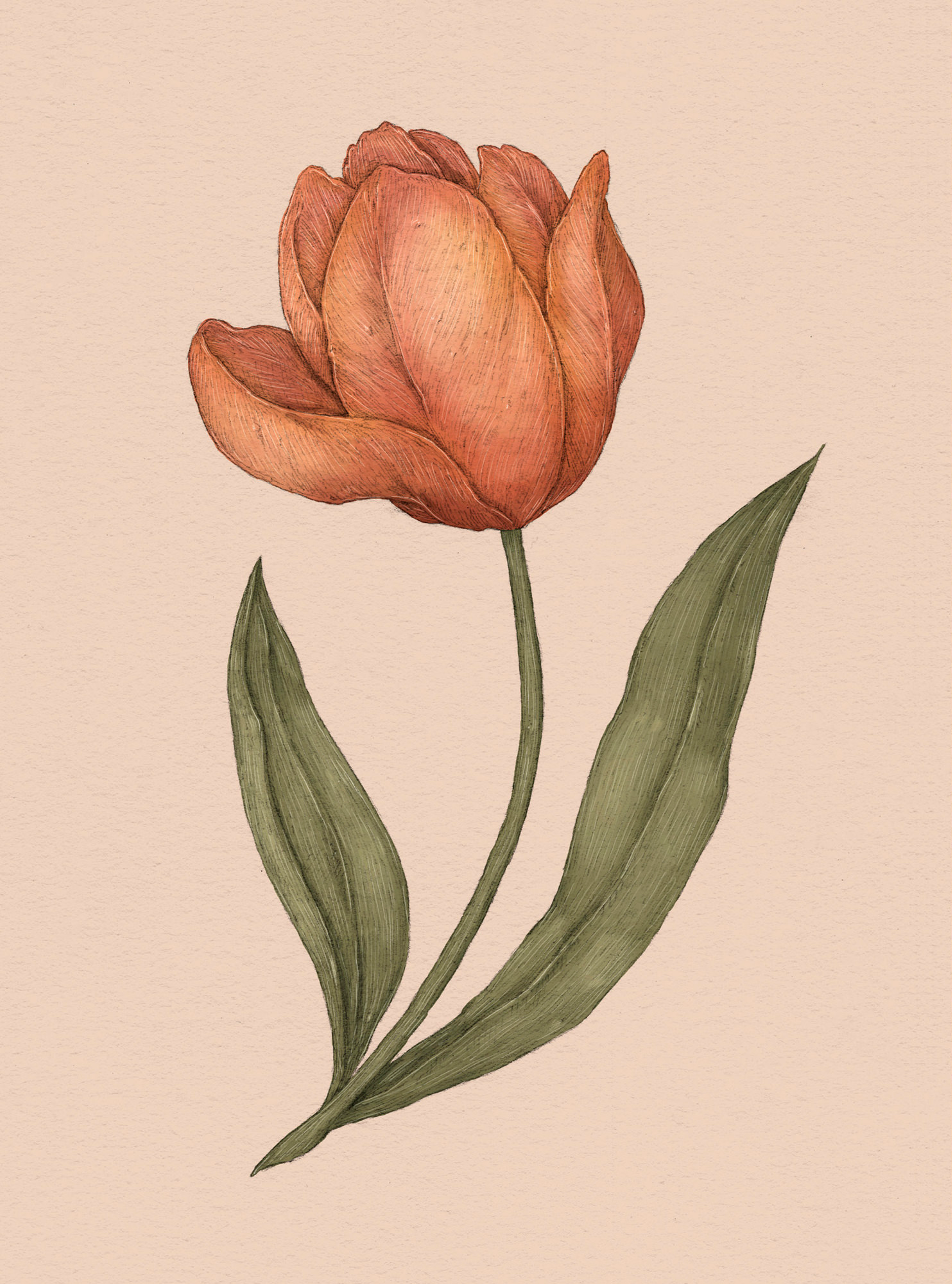
Meaning:
I declare my love for you
Origin:
A Turkish legend tells of two lovers, Ferhad and Shirin, who long to be together, but whose love is forbidden. When Ferhad hears a rumor that Shirin has taken her own life, he kills himself in order to be with her for eternity. Tulips—symbols of his devotion—spring up where his blood is spilled.
Pair with …
Buttercup to indicate affection for a charming new love Ivy as a gift for a newly engaged couple
VIOLET - Viola odorata
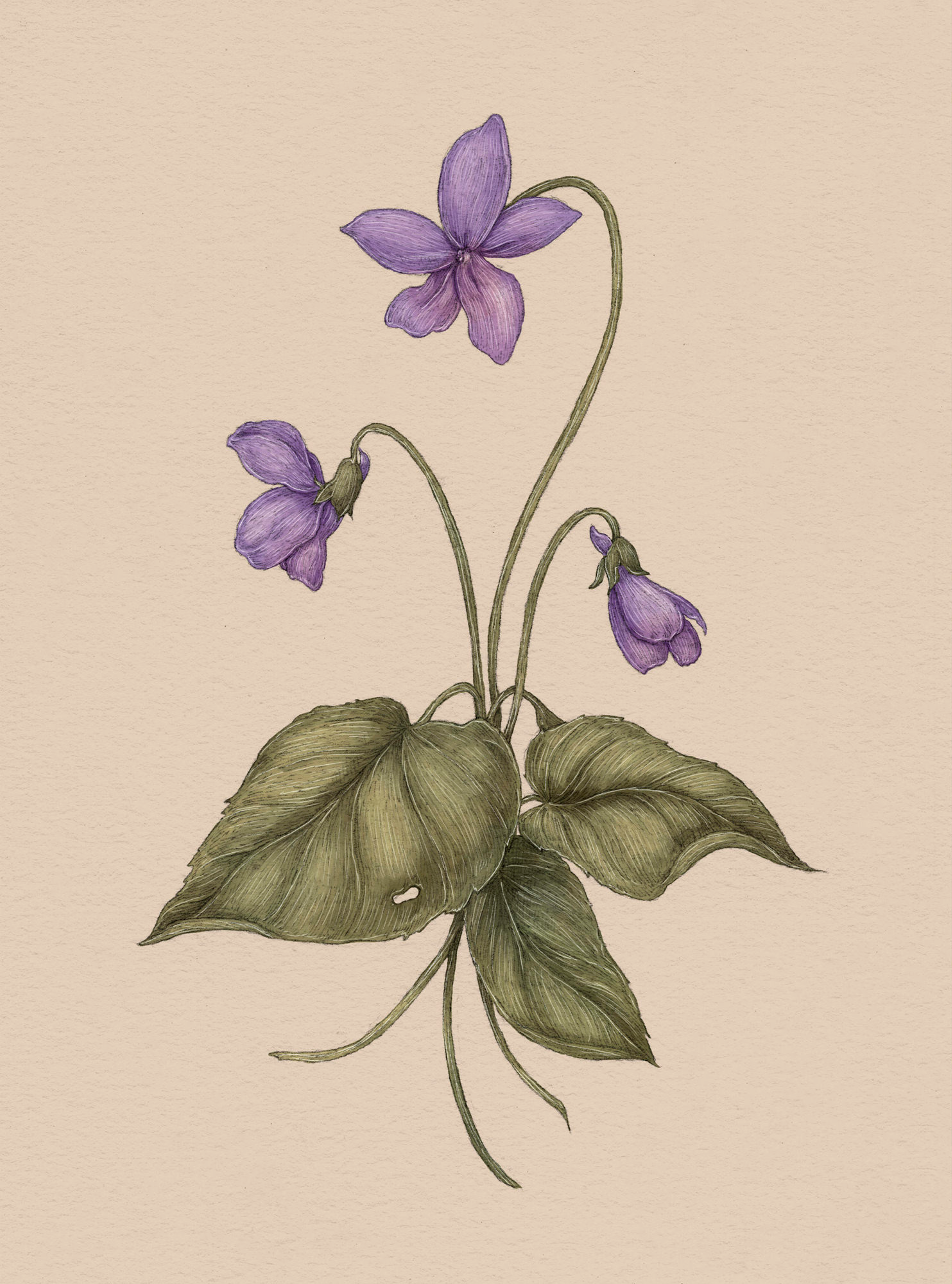
Meaning:
Modesty
Origin:
The violet grows low to the ground with its head bowed: a picture of modesty. Originally the flower of Valentine’s Day, it is said that Saint Valentine, while jailed for attempting to spread Christianity, crushed violets growing near his cell in order to make ink. One legend claims he used this ink to write a letter to his jailer’s daughter, whom he had healed from blindness, signing it, “Your Valentine,” thus inspiring centuries of romantic notes.
Pair with …
Bluebell for a humble friend who means the world to you Laurel to show a friend you’re proud of their accomplishments
WHEAT - Triticum
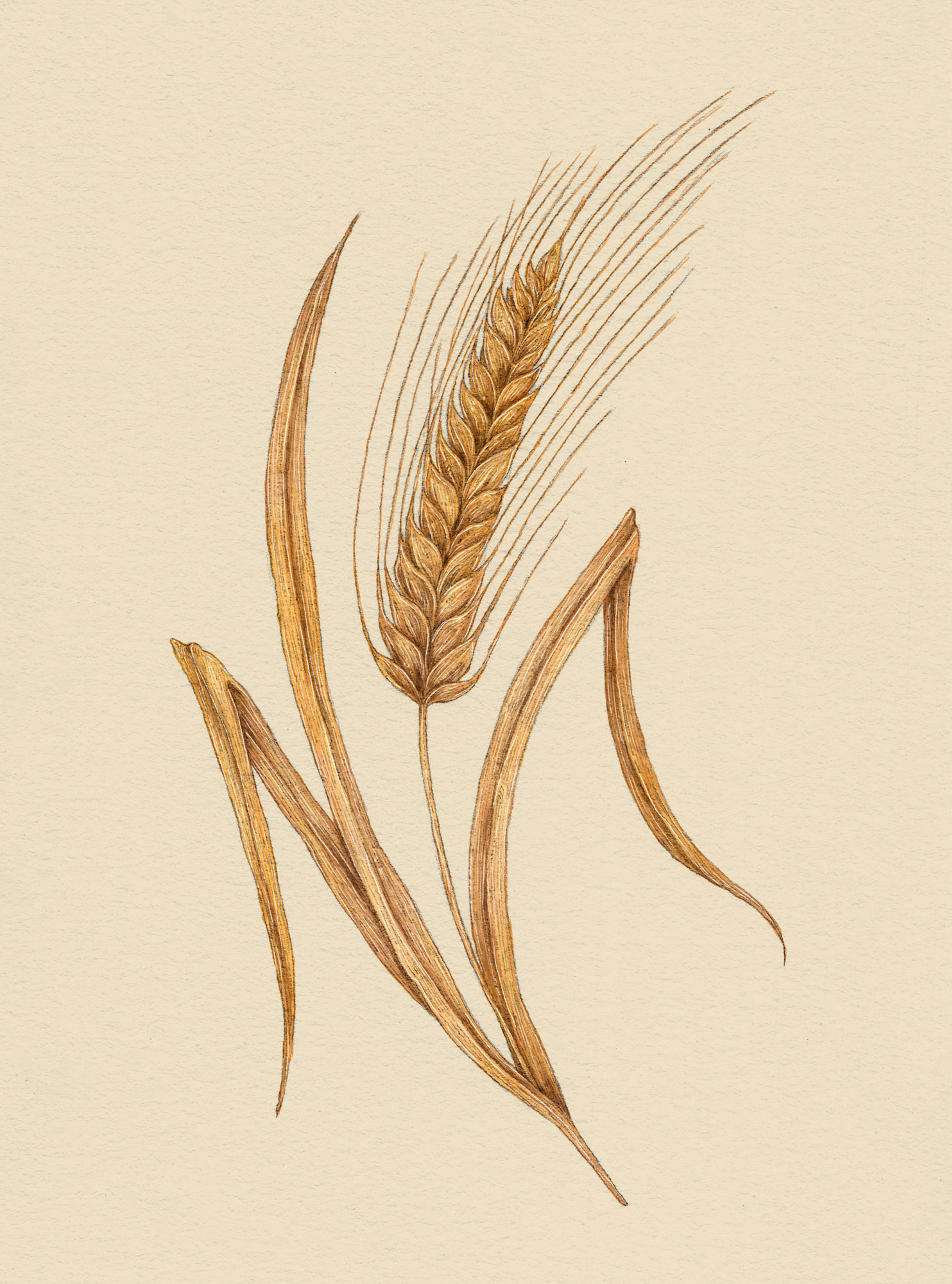
Meaning:
Riches Abundance
Origin:
Thick stalks of golden wheat have long been associated with riches and abundance. In ancient times, large stores of wheat signified wealth, and a bountiful wheat harvest was synonymous with prosperity in the coming year.
Pair with …
Clover for good luck in a new venture Begonia to repay a favor
WILLOW - Salix
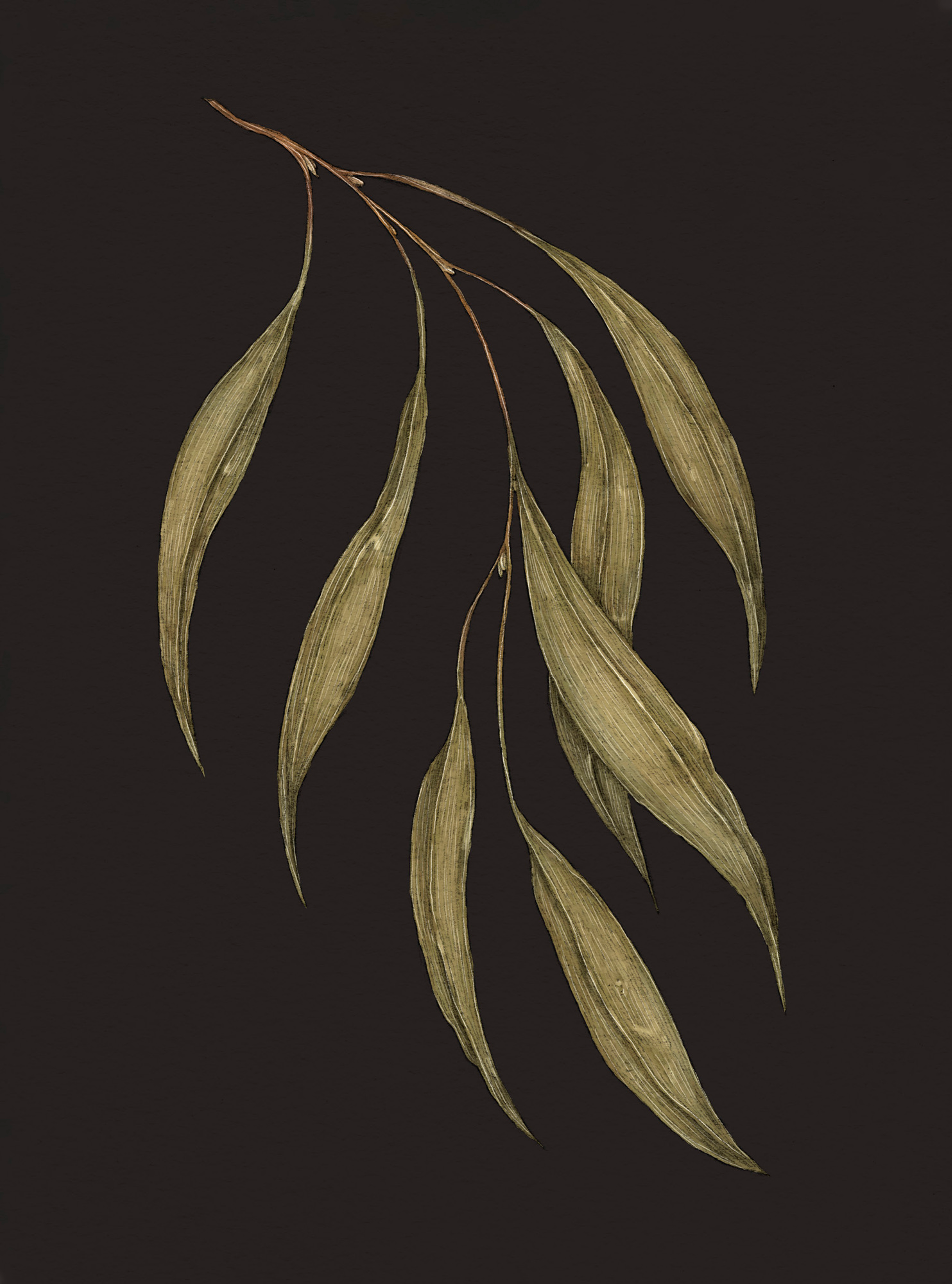
Meaning:
Mourning
Origin:
The weeping willow appears to be a tree in mourning; its branches are downturned and sorrowful. In Greek mythology, willows are said to mark the entrance to the underworld. This may further explain why these melancholic trees are often pictured on gravestones and Victorian mourning jewelry.
Pair with …
Forget-me-not and cypress for a funeral Gladiolus for a broken heart
WORMWOOD - Artemisia absinthium
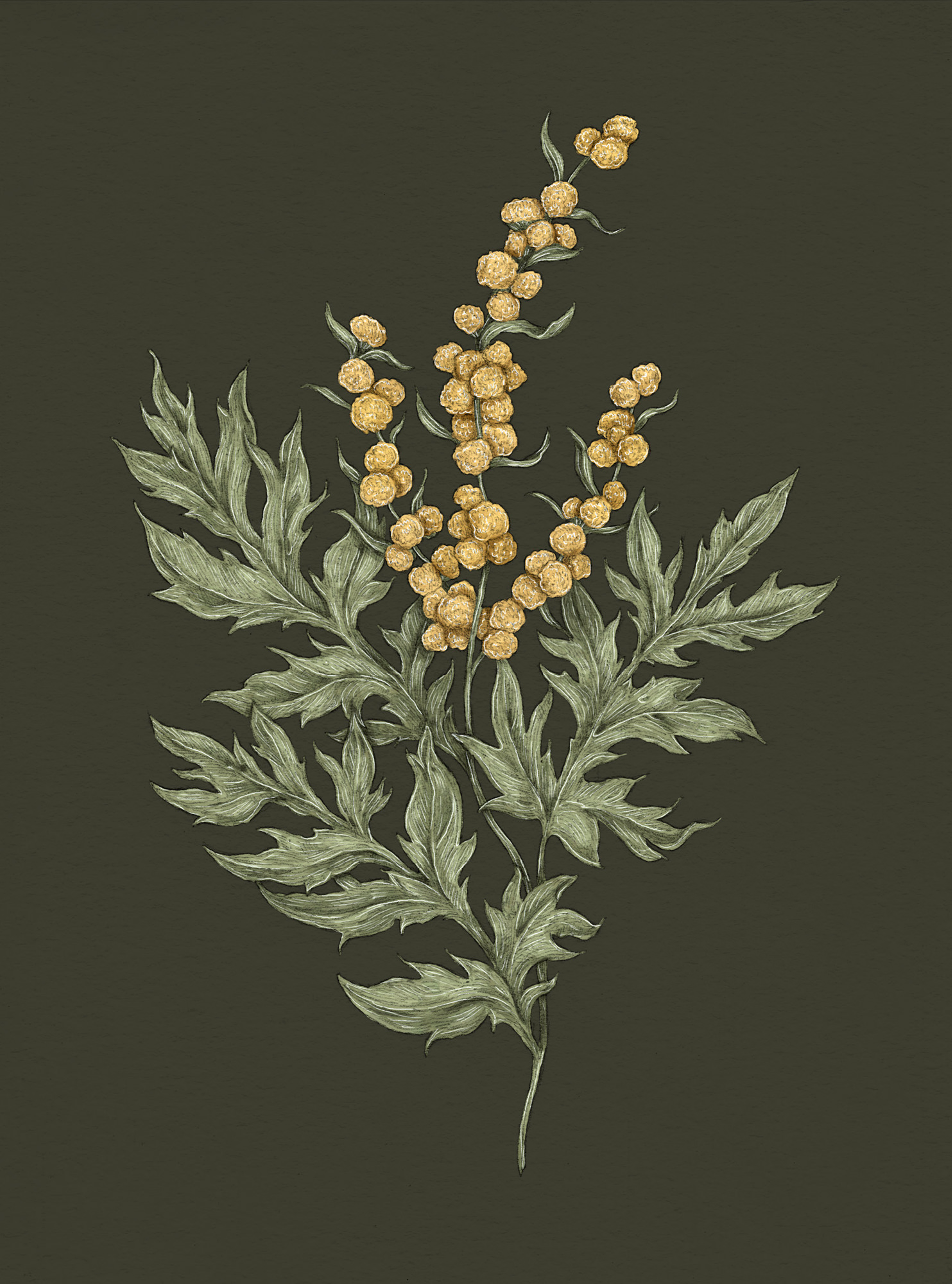
Meaning:
Bitterness
Origin:
Wormwood has a long history of association with bitterness. The Greeks called the herb absinthium, which translates to “bitter.” Throughout the Bible, wormwood is mentioned several times, always in connection to bitterness. In the book of Revelation, it is written that a great star called Wormwood will fall from the sky and turn a third of all water bitter, causing widespread death.
Pair with …
Larkspur and hyacinth to tell someone that things aren’t as bad as they think Belladonna to tell a friend you’ll give them space
YARROW - Achillea
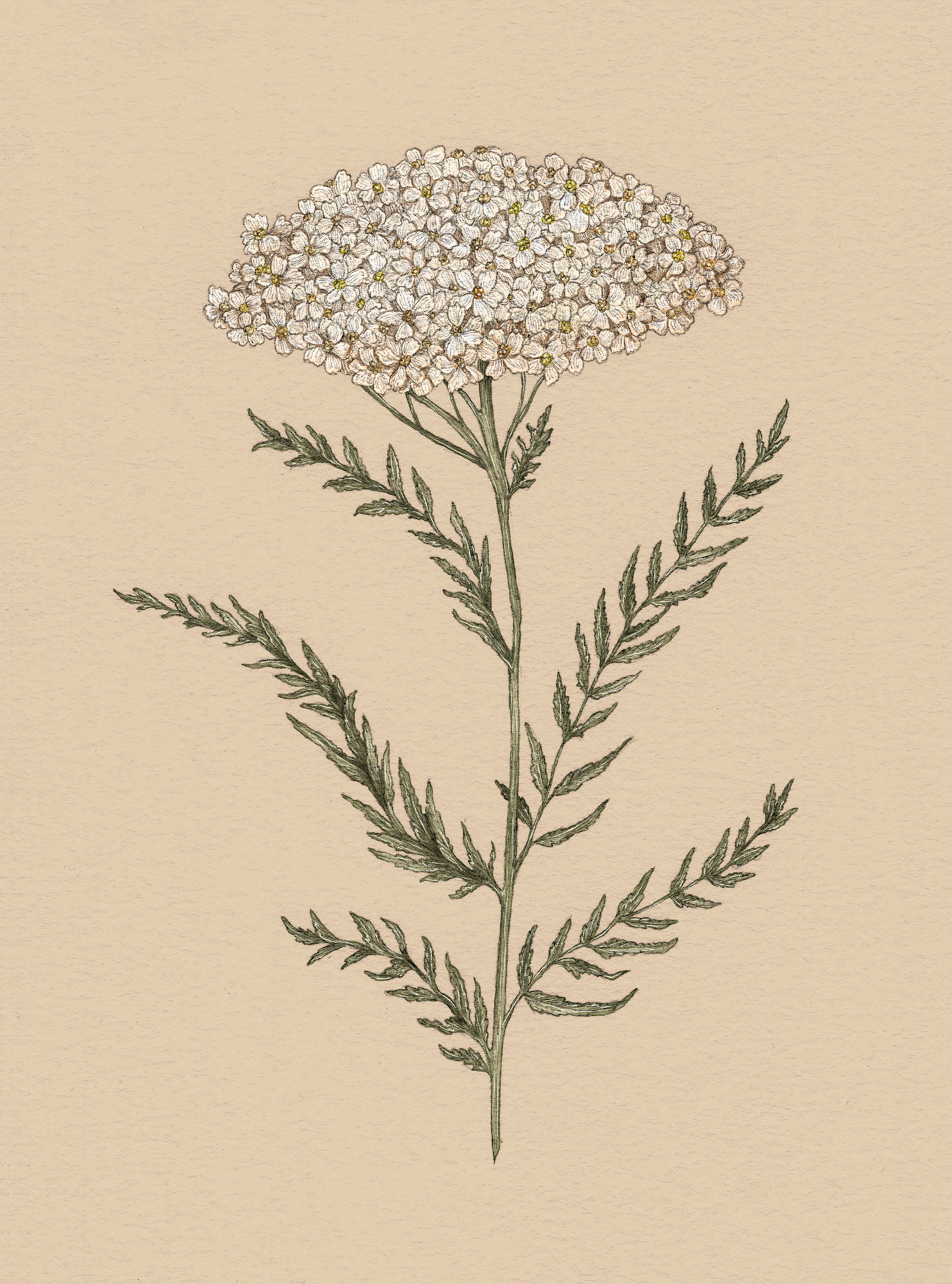
Meaning:
Cure for a broken heart
Origin:
Yarrow takes its botanical name and meaning from the Greek hero Achilles, who is said to have used a poultice of yarrow to heal the wounds of his men on the battlefield. Yarrow is an ancient healing plant with many medicinal properties; it is used even today to stop bleeding, treat fevers, and promote digestion.
Pair with …
Hawthorn for hope that things will get better Protea to indicate the tide will turn in the recipient’s favor
ZINNIA - Zinnia
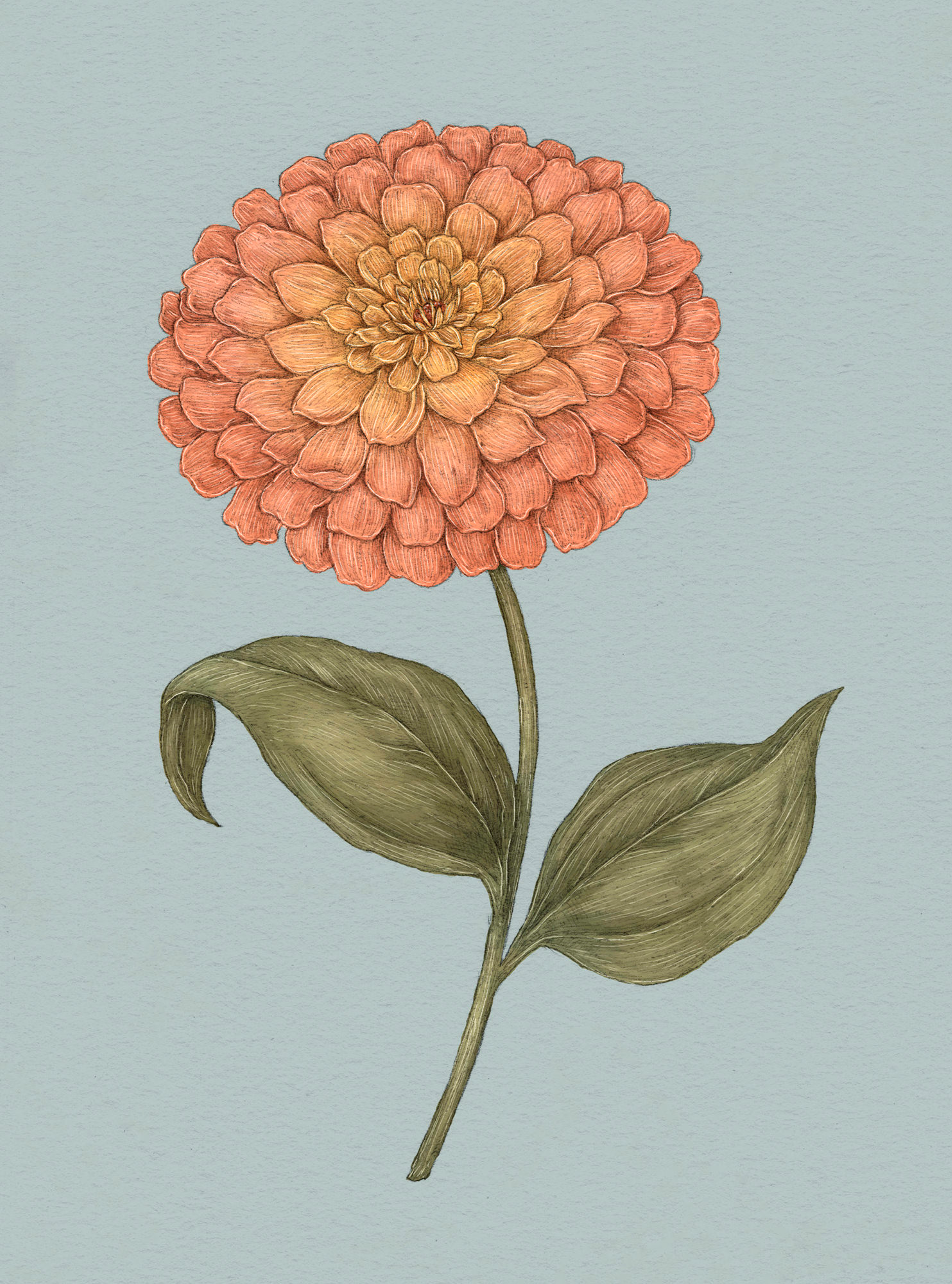
Meaning:
Everlasting friendship
Origin:
Because zinnias are easy to grow and reseed with abundance, the Victorians associated them with everlasting friendship. A bouquet of zinnias was a common gift for a friend leaving on a trip. It was meant to convey that the friend would be missed and thought of frequently while they were away.
Pair with …
Jasmine to tell a friend they bring you joy Chamomile to show appreciation for a friendship that has survived adversity
A BOUQUET FOR FRIENDSHIP
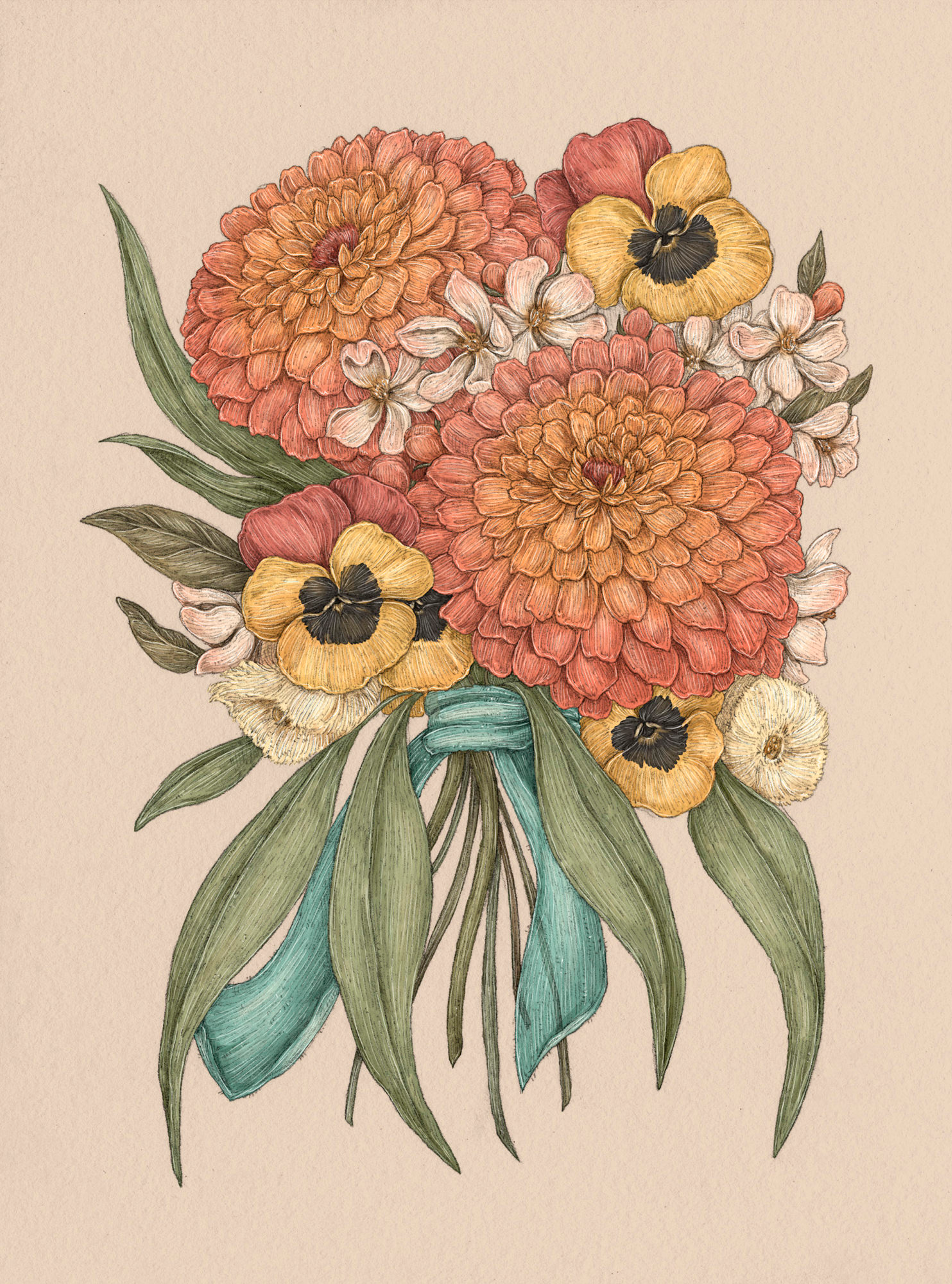
Assemble this bouquet for a best friend, as a celebration of your friendship, to brighten their day, or to let them know they’re on your mind.
Combine the following in a bouquet fastened with a teal chiffon ribbon:
Zinnia for everlasting friendship
Apple blossom for preference
Pansy for a friend you think of often
Eucalyptus for protection and to strengthen the bond of friendship, so that it may last throughout the years
A BOUQUET FOR COURTING
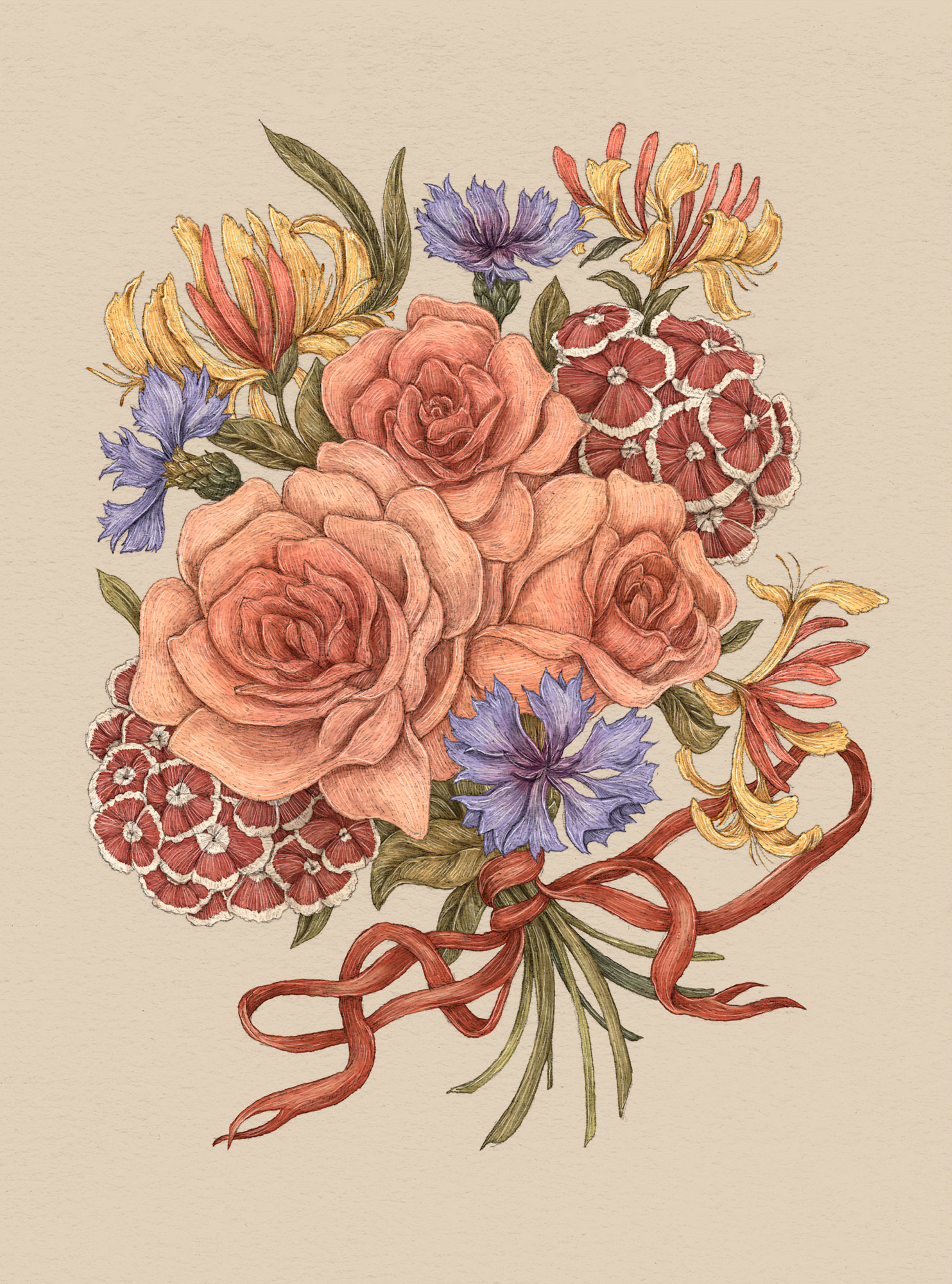
This is the perfect bouquet to share with a new love, to thrill them or to solidify your exclusivity.
Combine the following in a bouquet fastened with a silky red ribbon:
Blush roses for a blossoming romance
Cornflower for hope in love
Sweet William for gallantry
Honeysuckle for devoted affection
A BOUQUET FOR MARRIAGE
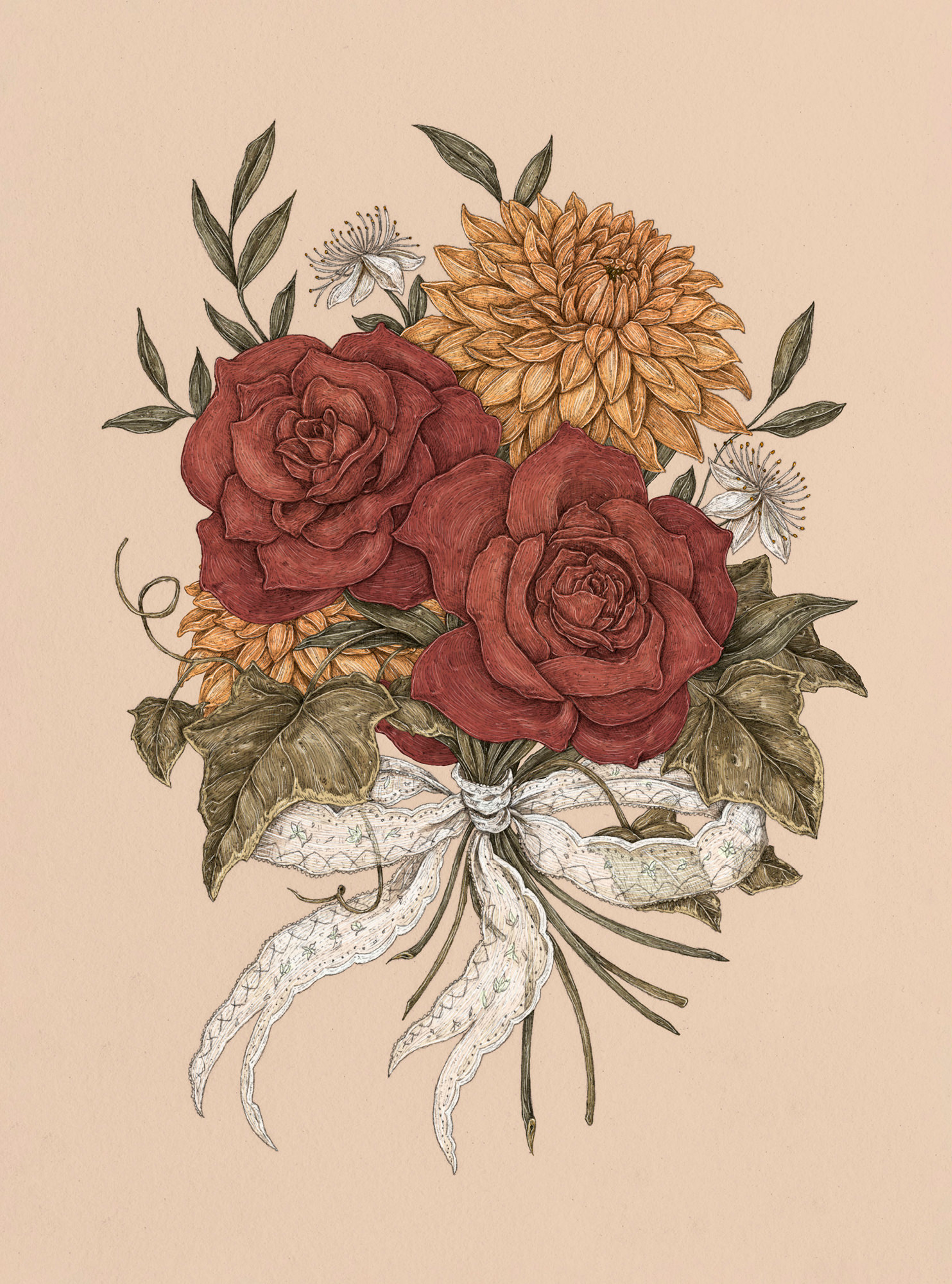
This arrangement may be used by a bride walking down the aisle, as a gift for newlyweds, or as décor at an engagement celebration.
Combine the following in a bouquet fastened with a white lace bow:
Red roses for true love
Ivy for fidelity
Myrtle for hope and love in marriage
Dahlia for commitment and eternal love
A BOUQUET FOR SYMPATHY
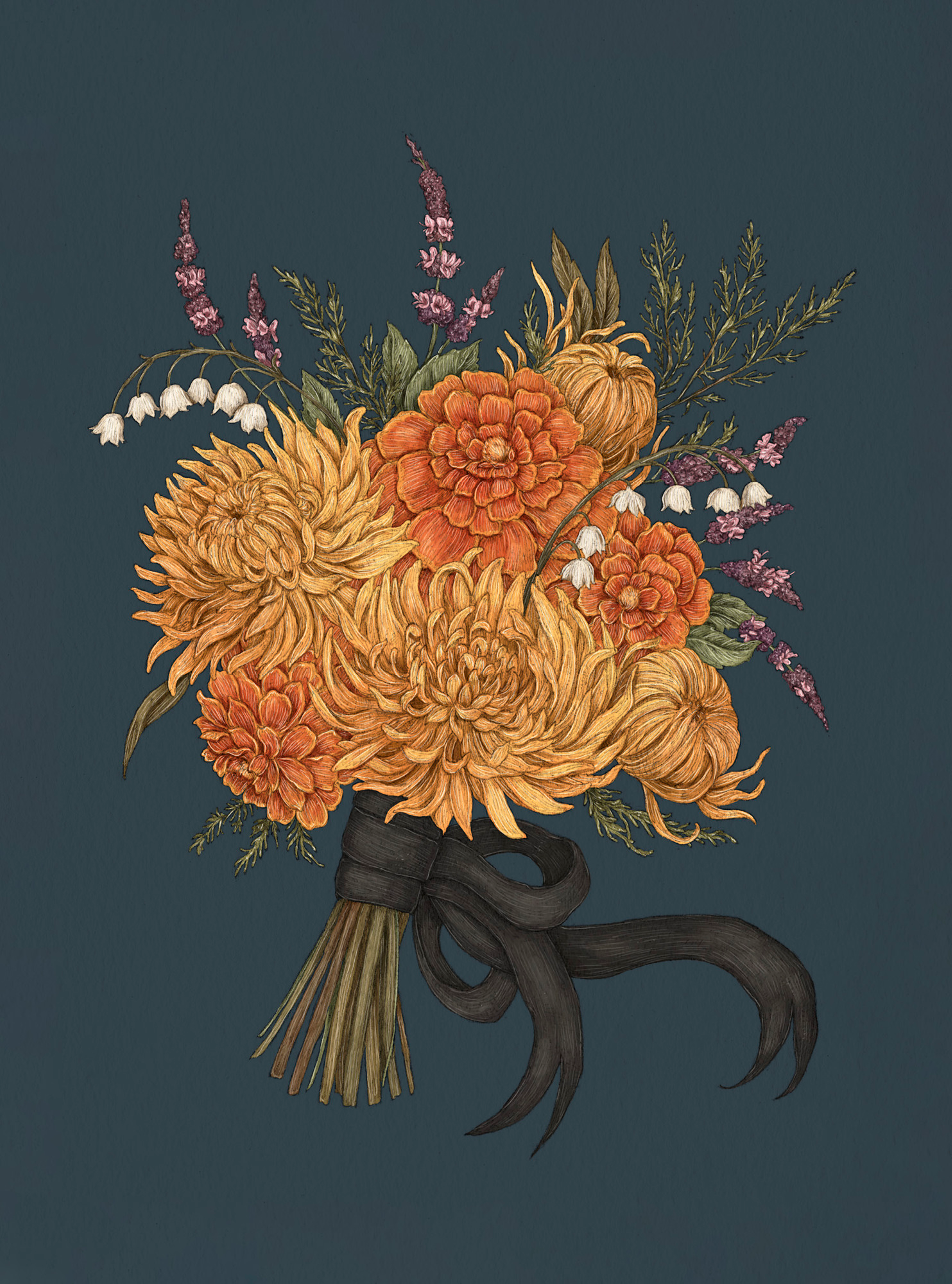
Assemble this arrangement for a loved one in grief, to commemorate a loss, or as a gift of tender affection during a difficult time.
Combine the following in a bouquet fastened with a black velvet ribbon:
Chrysanthemum for condolences
Marigold for grief
Lily of the valley to show that better days are ahead
Cypress for mourning
Mint for consolation
A BOUQUET FOR REGRET AND SORROW
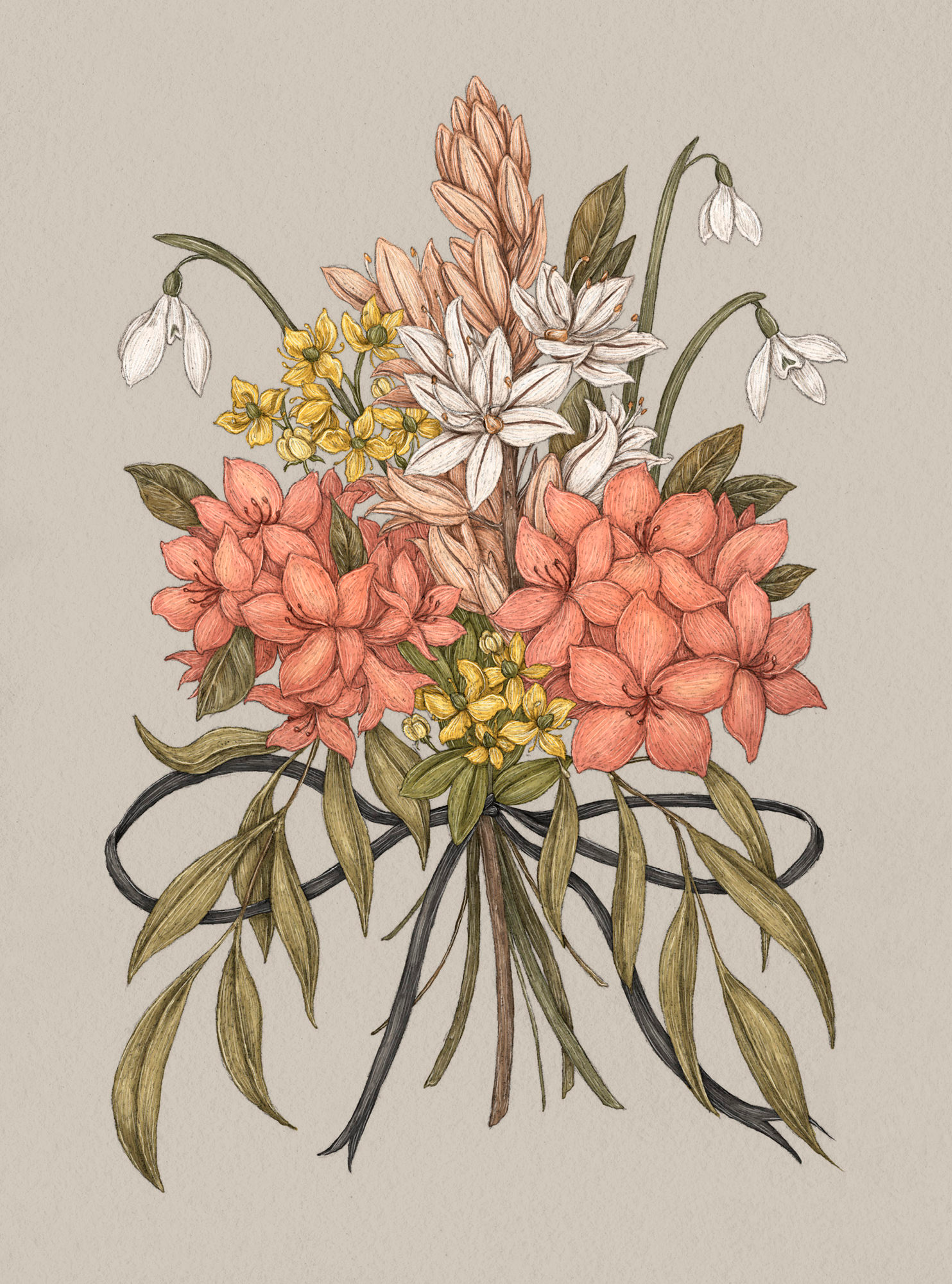
This bouquet is suitable for a loved one enduring heartache or separation, to comfort and console, or to remind someone that they are loved.
Combine the following in a bouquet fastened with a thin black bow:
Asphodel to indicate your regret will follow you to the grave
Azalea for fragility in a difficult time
Snowdrop for consolation and hope of better days ahead
Rue for regret
Willow for mourning
A BOUQUET FOR APOLOGY
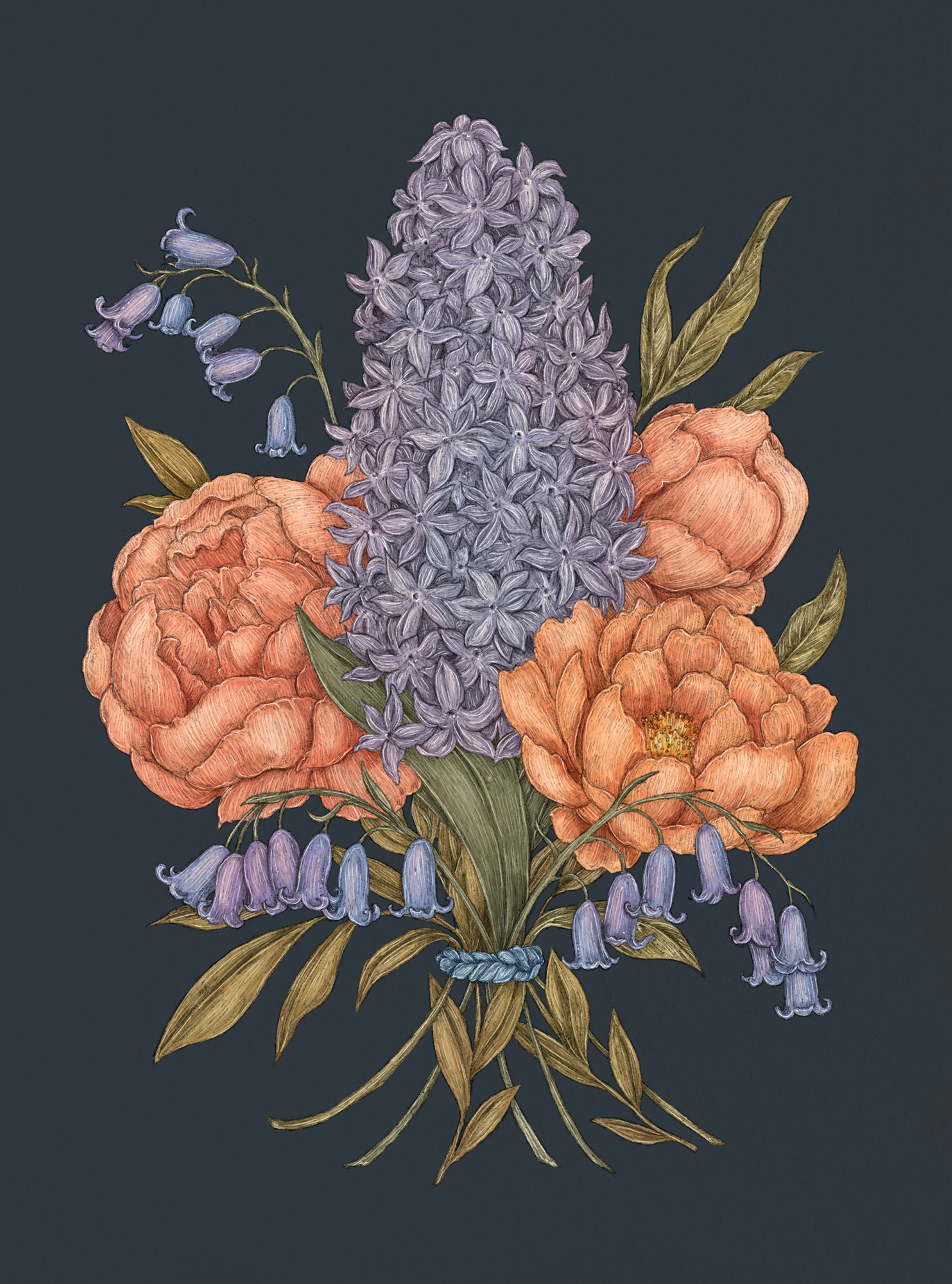
Use this arrangement to apologize for a wrongdoing or mistake, to ask for forgiveness, or to make amends.
Combine the following in a bouquet fastened with a blue cloth braid:
Hyacinth to ask for forgiveness
Bluebell for humility
Peony for bashfulness
Olive branch to ask for peace
A BOUQUET FOR FORGOTTEN OBLIGATIONS
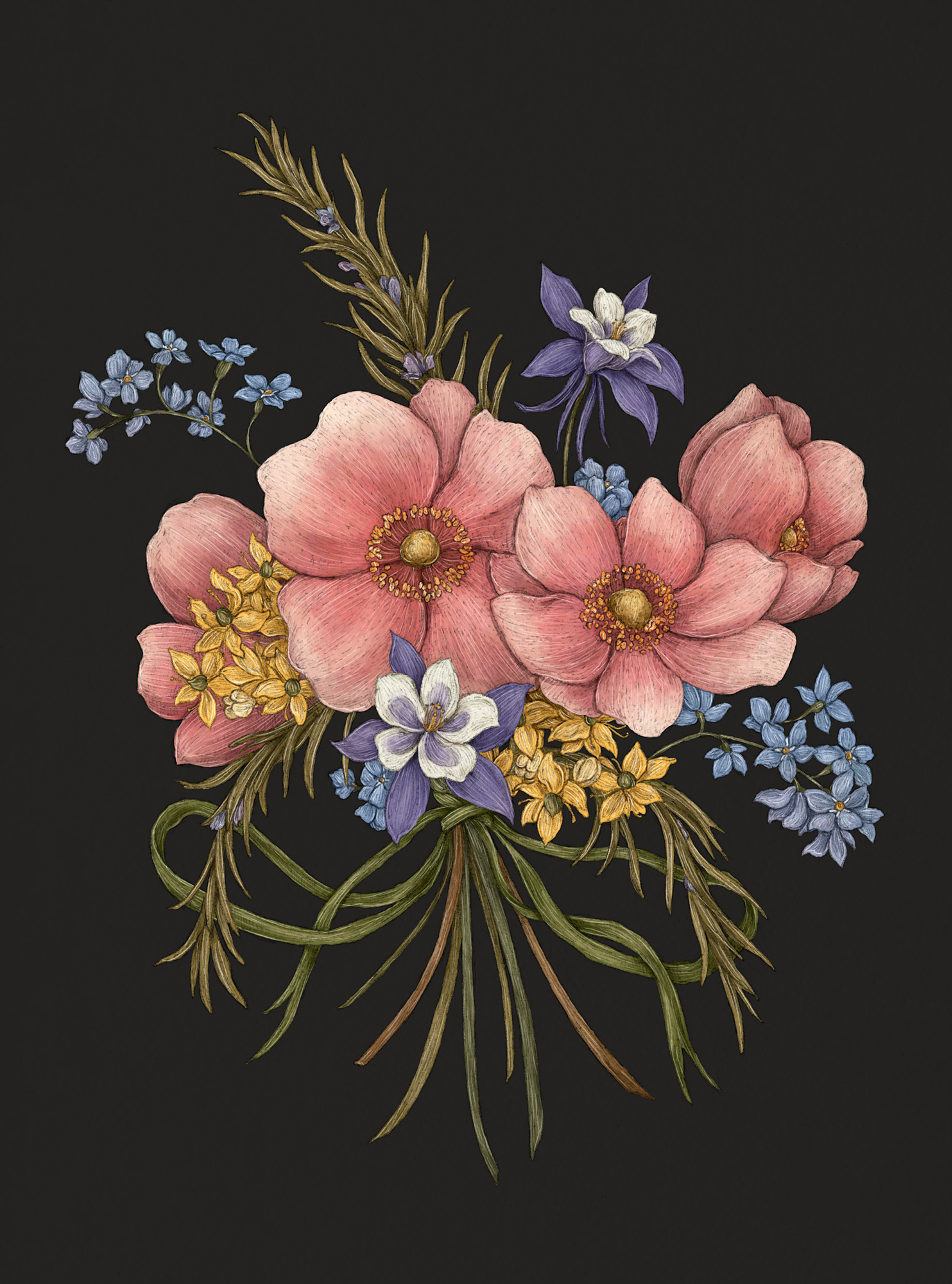
Assemble this arrangement to apologize for missing an important celebration or for forgetting a social engagement.
Combine the following in a bouquet fastened with green garland:
Columbine for foolishness
Rue for regret
Anemone for forsaken love
Forget-me-not to indicate you won’t forget again
Rosemary for remembrance
A BOUQUET FOR WARNINGS
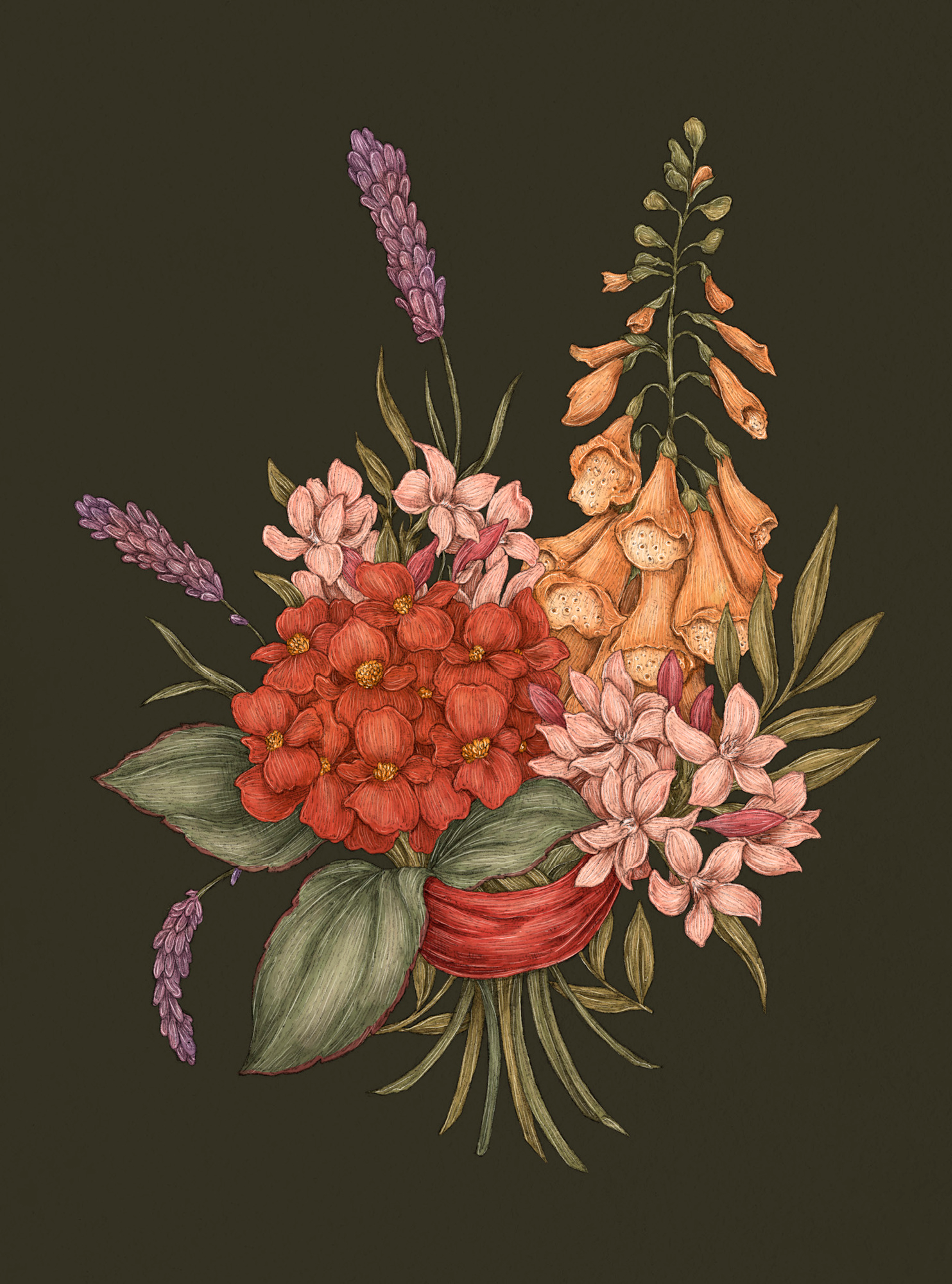
This bouquet is useful for warning someone you distrust or indicating that trouble is on the horizon.
Combine the following in a bouquet fastened with a bright red band:
Begonia for warning
Oleander for caution
Lavender for distrust
Foxglove for secrecy
A BOUQUET FOR BITTER ENDS
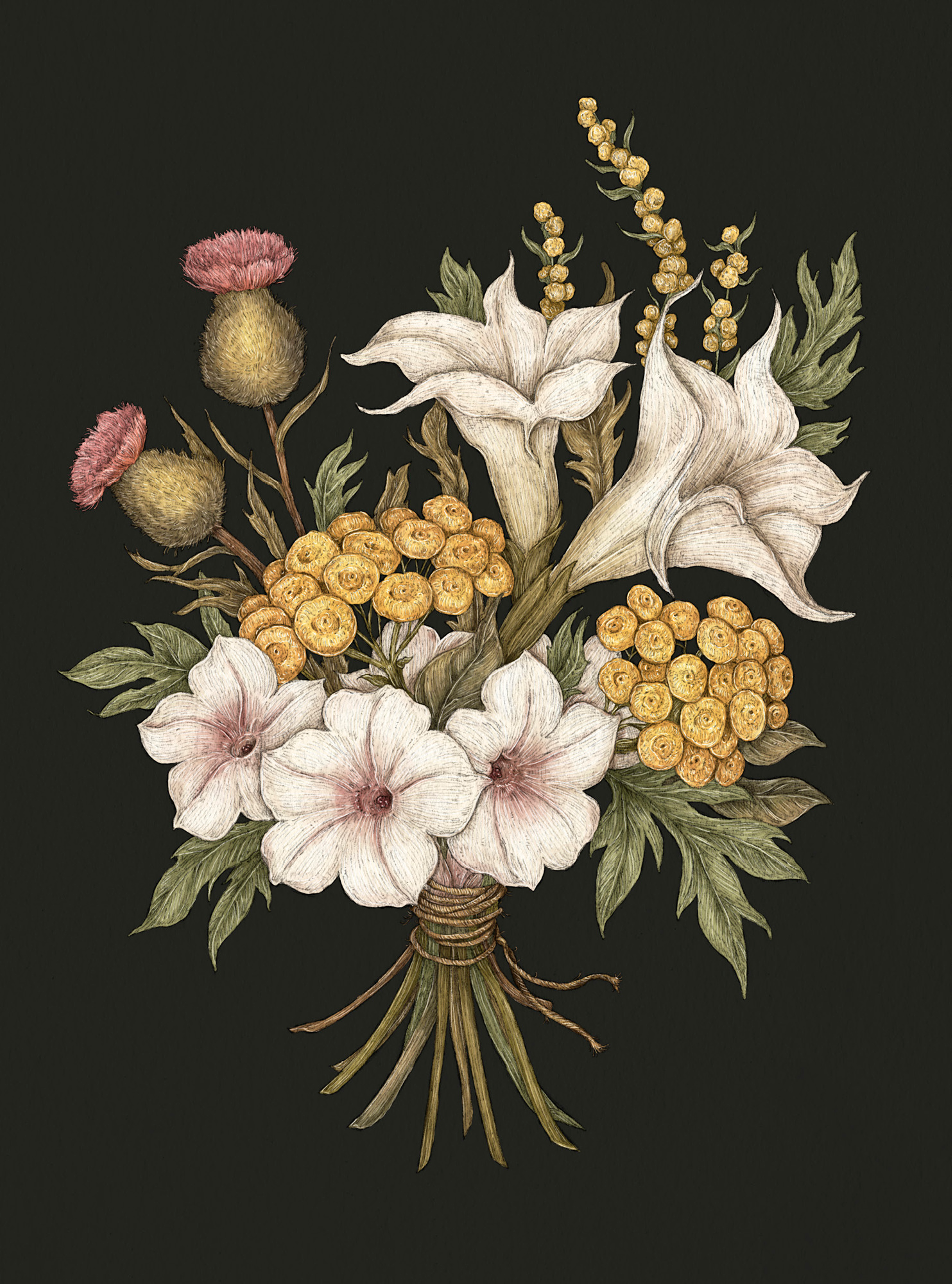
This arrangement is a final, lasting reminder of your departure from a friendship or relationship that ended poorly.
Combine the following in a bouquet fastened with twine:
Petunias for anger and resentment
Datura for deceitful charms
Tansy for hostility
Thistle for misanthropy
Wormwood for bitterness
A BOUQUET FOR NEW BEGINNINGS
This is the perfect bouquet to celebrate a new addition to the family or a new venture in someone’s life. It also makes a beautiful housewarming gift.
Combine the following in a bouquet fastened with a yellow tassel: Crocus for youthful glee Daisy for innocence and childhood purity Lilac for first love Baby’s breath for purity and innocence Wheat for riches
A
Abedul (Betula) – Mansedumbre, gracia
Abelia (Abelia) – Devoción
Abeto (Abies) – Elevación
Abutilon (Abutilon) – Meditación
Acacia (Acacia) – Amor oculto
Acacia, Rosa (Acacia) – Elegancia, amistad
Acacia de tres espinas, o gleditsia de tres espinas (Gleditsia triacanthos) – Elegancia
Acanto (Acanthus) – Artes
Acebos (Ilex) – Previsión, encantamiento
Acedera (Rumex) – Paciencia, resistencia
Acederón (Rumex patientia) – Paciencia
Acer (Acer) – La sabiduría del equilibrio
Achillea Erba-Rotta (Achillea) – Elegancia, amistad
Achimenes (Achimenes) – Valor raro
Aciano; también azulejo, aldiza, flor celeste, scabiosa, pincel
(Centaurea cyanus) – Delicadeza, refinamiento
Acónito, o anapelo azul, matalobos de flor azul (Aconitum napellus) – Caballerosidad
Adam & Eve Raíz (Aplectrum hyemale) – Amor, felicidad
Adelfa (Nerium oleander) – Tener cuidado
Adenandra, o flor de china (Adenandra) – Refresco
Adonis (Adonis) – El recuerdo del placer de la vida
Agárico (Agaricus) – Fertilidad
Agave (Agave) – La abundancia
Agrimonia (Agrimonia) – Gratitud
Aguacate (Persea) – Amor y belleza
Aguacate, el árbol (Persea) – Alimento espiritual
Ajedrea (Satureja) – Interés
Ajedrezada (Fritillaria) – Majestad
Ajo (Allium) – Coraje, fuerza, ponte bien, alejar el mal y la enfermedad
Álamo (Populus tremula) – Superando el miedo
Álamo negro (Populus nigra) – Coraje
Álamo, blanco (Populus alba) – Tiempo
Albahaca (Basilicum) – Los mejores deseos
Albahaca dulce (Basilicum) – Buenos deseos
Albaricoque (Prunus armeniaca) – Amor
Albejana (Lathyrus latifolius) – ¿Irás conmigo?
Albizia Julibrissin; también árbol de la seda, acacia de flores
sedosas, acacia de Constantinopla (Albizia) – Calmar el espíritu, equilibrio espiritual
Alcanforero (Cinnamomum camphora) – Salud, adivinación
Alcaravea (Carum carvi) – Protección
Alcea; también alcea rosea, malva real (Alcea) – Fecundidad,
fertilidad, productividad
Alchemilla (Alchemilla) – Mágico
Alegrías, o alegría de la casa (Impatiens) – Amor ardiente, impaciencia
Aletris Farinosa (Aletris Farinosa) – Protección
Alfalfa (Medicago) – Vida
Alfombra de Nemophila; también ojos azules de bebé (Nemophila) – El éxito
Alforfón (Fagopyrum) – Dinero
Alhelí de invierno (Matthiola incana) – Prontitud
Aliso de mar (Lobularia maritima) – Valor más allá de la belleza
Allamanda (Allamanda) – Celestial
Allium, flor de cebolla (Allium) – Prosperidad, fuerza, unión
Almendro, flor (Amygdalus communis) – Despertar, esperanza
Aloe candelabro (Aloe arborescens) – Evanescente
Aloe Vera (Aloe) – Sabiduría
Alpiste (Phalaris Canariensis) – Perseverancia
Alstremèria (Alstroemeria) – Devoción, amistad
Altamisa, o matricaria (Tanacetum parthenium) – Calor, buena salud
Altareina, o altarcina (Filipendula ulmaria) – Inutilidad
Altea (Althaea) – Imbuido en el amor
Altea de Siria; también rosa de Siria, suspiro, granado blanco, malva  real de Sevilla, malvavisco arbóreo, avispa (Hibiscus syriacus) – Persuasión
Amapola (Papaver) – Consolación
Amapola, escarlata (Papaver) – Extravagancia fantástica
Amapola, roja (Papaver) – Placer
Amapola, blanca (Papaver) – Descanso, sueño del corazón
Amapola, amarilla (Papaver) – Riqueza, Éxito
Amapola de California; también campanilla, dedal de oro, escholtzia, rasete, raso, fernandos (Eschscholzia) – Libera el karma del pasado que todavía se mantiene dentro del corazón
Amapola oriental (Papaver) – Tranquilo
Amaranto (Amaranthus) – La inmortalidad, amor inmarcesible
Amaranto, o moco de pavo (Amaranthus caudatus) – Sin esperanza pero no sin corazón
Amaranto redondo (Gomphrena) – Amor inmarcesible
Amarilis, o lilium belladonna, azucena rosa (Amaryllis belladonna) – Belleza espléndida
Amarilis, o lirio de Santa Paula (Hippeastrum) – Belleza espléndida
Ambrosía (Ambrosia) – Amor mutuo, amor devuelto
Anemone (Anemone) – Expectativa, calmante, calma
Angélica; también hierba del Espíritu Santo (Angelica) – Inspiración
Anturio (Anthurium) – Hospitalidad
Apocino (Apocynum) – Inspiración
Apio (Apium) – Poderes mentales, lujuria
Asafétida (Ferula) – Purificación
Arándano (Vaccinium) – Cura del dolor de corazón
Árbol balsámico (Impatiens) – Curación y celebración
Arbol de Judas, árbol del amor (Cercis siliquastrum) – Amor
Abrótano (Artemisia abrotanum) – Bromas
Arce japonés (Acer palmatum) – Bendiciones
Aro, o yaro (Amorphophallus) – Ardor
Arroyuela, o salicaria (Lythrum) – Pretensión
Artemisa; también artemega, ceñidor, yuyo crisantemo, hierba de
San Juan y madra (Artemisia) – Dignidad, felicidad
Asclepia; también algodoncillo, bandera española, platanillo, hierba
María (Asclepias) – Dejame ir, renacimiento
Asclepia, o flor de sangre (Asclepias tuberosa) – Cura de angustia
Asfódelos, o gamones (Asphodelus) – Mis arrepentimientos te siguen hasta la tumba, lamenta más allá de la tumba
Asperilla (Galium odoratum) – Humildad
Asphodelin amarillo; también palo de Jacob, flor la lanza del rey
(Asphodeline) – El pesar
Áster (Aster) – El talismán del amor, la paciencia
Aster (Aster grandiflorus) – Reflexión
Aster de china (Callistephus) – Pensaré en ti
Astilbe; también falsa barba de la cabra, Spirea falso (Astilbe) –
Amor a primera vista, aún te estare esperando
Astrancia (Astrantia) – Fuerza, Coraje
Atropa belladonna (Atropa) – Silencio
Aurícula (Primula auricula) – La pintura
Ave del paraíso, o flor del pájaro (Strelitzia) – Libertad, Fidelidad
Avellano (Corylus) – Reconciliación
Avena (Avena sativa) – Musica del alma
Azafrán (Crocus sativus) – Cuidado con el exceso, risa
Azahar, naranja (Citrus sinensis) – Generosidad
Azahar, flor (Citrus sinensis) – Amor eterno, amor puro
Azalea (Rhododendron) – Cuidado, feminidad, romance
B
Babiana (Babiana) – Placer
Bálsamo de Galaad (Cedronella triphylla) – Curación
Bambú (Bambuseae) – Longevidad, riqueza, felicidad
Banana, plátano (Musa) – Fertilidad, Potencia
Baniano, o higueras de Bengala (Ficus) – Suerte, longevidad
Baobab (Adansonia) – El arbol de la Vida
Barba de Dios (Clematis) – Descanso, seguridad
Bardana, o arctium (Arctium) – No me toques
Bauhinia, o árbol orquídeo (Bauhinia) – Armonía, sincronización
Begonia (Begonia) – Cuidado, pensamiento profundo
Beleño negro, o hierba loca (Hyoscyamus niger) – Para que los
hombres atraigan el amor de las mujeres
Belide portuguesa (Leucanthemum vulgare) – Se paciente
Bellota, Roble – Símbolo nórdico de la vida y la inmortalidad
Bérbero (Berberis) – Nitidez, sátira
Bignonia (Bignonia) – Belleza mandarina
Blitum; también espárrago de los pobres, espinaca de Lincolnshire
(Blitum) – Bondad
Boca de dragón (Antirrhinum majus) – Fascinación, dama graciosa
Bola de nieve, o Mundillo, Sauquillo (Viburnum opulus) – Invierno
Bolsa de pastor (Capsella bursa-pastoris) – Todo lo que tengo es
tuyo, te ofrezco mi todo
Bonsai, árbol – Equilibrio, simplicidad, armonía
Borbonia (Persea borbonia) – La memoria del amor
Borraja (Borago) – Talento, valentía
Botanera de Caracas (Browallia) – Admiración
Brecina, lavanda (Calluna vulgaris) – Admiración
Brecina, blanca (Calluna vulgaris) – Protección, los deseos se harán
realidad
Bretónica; también salima fina, savia (Stachys) – Sorpresa
Brezal (Erica) – Soledad
Brezo (Erica regia) – Tentación
Bromelia (Bromeliaceae) – Riqueza, Éxito
Brújula flor (Silphium laciniatum) – Fe
Bryonia (Bryonia) – Prosperidad
Bryonia negra, o nueza, nabo del diablo (Bryonia dioica) – Sea mi
apoyo
Buchu (Agathosma) – Poderes psíquicos
Buganvilla (Bougainvillea spectabilis) – Pasión
Buglosa; también viborera, chupamieles, hierba azul, lengua de
vaca (Echium vulgare) – Falsedad
Búgula (Ajuga) – Anima el corazon, salud
Buvardia (Bouvardia) – Entusiasmo
C
Cactus (Opuntia) – Resistencia, afecto
Cala; también cala de Etiopía, alcatraz, aro de Etiopía, lirio de agua,
cartucho, flor de pato, flor del jarro (Zantedeschia aethiopica) –
Belleza magnífica, Belleza femenina
Calabaza (Cucurbita) – Tosquedad
Caladium (Caladium) – Alegría, deleite
Caladium, hojas (Caladium) – Alegría
Cálamo aromático (Acorus) – Amor
Calathea crocata (Calathea) – Llama eterna
Calicanto (Calycanthus) – Benevolencia
Calliopsis (Coreopsis) – Siempre alegre
Calta, o caléndula acuática (Caltha) – Riqueza
Camelia (Camellia) – Gracia, simpatía
Camelia, azul (Camellia) – Tu eres la llama en mi corazón
Camelia, Japonica (Camellia) – Excelencia
Camelia, rosada (Camellia) – Anhelo
Camelia, roja (Camellia) – Calidez innata, fidelidad
Camelia, blanca (Camellia) – Amistad, gratitud, eres adorable
Campanas de Irlanda (Moluccella laevis) – Buena suerte
Campanula, o campanillas (Campanula) – Gratitud
Campanillas de cantil (Campanula rotundifolia) – Delicada como esta flor
Caña (Poales) – Música
Caña roja, o archibebe, chamizo colorado (Adenostoma
sparsifolium) – Paciencia
Candelabra (Brunsvigia Orientalis) – Quedar asombrado
Canela (Cinnamon) – Amor, belleza
Canna indica; también achira, achera, sagú, capacho, biri, cucuyús,
juquián, risgua, caña de India, caña de cuentas, cañacoro, flor del
cangrejo, yerba del rosario, papantla (Canna) – Confianza en los cielos
Capiquí, o pamplina, hierba gallinera (Stellaria media) – Me aferro a ti
Capuchina (Tropaeolum majus) – Patriotismo, heroísmo
Caqui (Diospyros kaki) – Hermoso lugar de descanso
Cardamine, o berro amargo (Cardamine) – Error paternal
Cardamomo (Elettaria) – Amor
Cardencha (Dipsacus fullonum) – Austeridad
Cardo (Cirsium) – Independencia
Carpe (Carpinus) – Ornamento
Castaño (Castanea sativa) – Hazme justicia
Castaño de Indias, o falso castaño (Aesculus) – Lujo
Catalpa árbol, o árbol Indio (Catalpa) – Cuidado con la coqueta
Cattleya (Cattleya) – Encantos maduros
Cebada (Hordeum) – Curación, Protección
Cebollino (Allium) – Utilidad
Cedro (Cedrus) – Yo vivo para ti
Cedro, hoja (Cedrus) – Piensa en mi
Cedro de Lebanon (Cedrus) – Incorruptible
Celidonia, o golondrina (Chelidonium) – Alegrias por venir
Celosia (Celosia) – Afecto jubiloso, creatividad
Cenizo, o quinoas (Chnopodium) – Bondad
Cerastio (Cerastium) – Simpleza
Cereus, o aguacollas, gigantones (Cereus) – Genio modesto
Cerezo, flor (Prunus cerasus) – Belleza de la vida, belleza espiritual
Cerezo, árbol (Prunus cerasus) – Buena educación
Cerezo ácido, flor (Prunus cerasus) – Belleza espiritual y femenina
Cerezo de racimos, o cerezo aliso (Prunus padus) – Esperanza
Cesto de oro (Aurinia saxatilis) – Tranquilidad
Cetraria islandica, o liquen de Islandia (Cetraria) – Salud
Chimaphila (Chimaphila) – Armonía
Ciclamen, o artánita, pan de puerco (Cyclamen) – Modestia, la
esperanza tímida
Cidro, o citrón (Citrus) – Belleza natural
Cilantro (Coriandrum sativum) – Valor oculto
Cineraria (Cineraria) – Siempre encantado
Cinia (Zinnia) – Amigos ausentes, bondad
Ciprés (Cupressus) – Muerte del ego, duelo
Circaea (Circaea) – Fascinación
Ciruela, flor (Prunus domestica) – Fidelidad, longevidad
Ciruela árbol (Prunus domestica) – Mantener la promesa
Ciruela árbol, salvaje (Prunus domestica) – Independencia
Clarkia (Clarkia) – La variedad de tu conversación me deleita
Clavel (Dianthus caryophyllus) – Fascinación, amor devoto
Clavel, rosado (Dianthus caryophyllus) – El amor de la mujer, el amor eterno de la madre
Clavel, rojo (Dianthus caryophyllus) – Admiración, amor divino
Clavel, púrpura (Dianthus caryophyllus) – Capricho
Clavel, color sólido (Dianthus caryophyllus) – Sí
Clavel, blanco (Dianthus caryophyllus) – Dulce y encantadora, amor puro.
Clavel, amarillo (Dianthus caryophyllus) – Rechazo
Clavel coronado (Dianthus plumarius) – Afecto puro
Clavel coronado, clavo (Dianthus plumarius) – Dignidad
Clavel coronado, doble rojo (Dianthus plumarius) – Amor puro
Clavel coronado, Indio (Dianthus plumarius) – Aversión
Clavel coronado, Indio, doble (Dianthus plumarius) – Encantadora
Clavel coronado, montaña (Dianthus plumarius) – Estas aspirando
Clavel coronado, rojo (Dianthus plumarius) – Amor puro
Clavel coronado, jaspeado (Dianthus plumarius) – Rechazo
Clavel coronado, blanco (Dianthus plumarius) – Eres justo
Clavel coronado, amarillo (Dianthus plumarius) – Desdén
Clavel del poeta (Dianthus barbatus) – Galantería
Clavelina de mar (Armeria) – Simpatía
Clavero (Syzygium aromaticum) – Dignidad
Clemátide (Clematis) – Intelectual, ingenio
Clemátide vírgenes (Clematis virginiana) – Amor filial
Clianthus, o flor de gloria (Clianthus) – Auto-búsqueda
Clivia (Clivia miniata) – Buena fortuna
Coco, árbol (Cocos nucifera) – Encontrando el tesoro interior
Cola de león (Leonurus) – Amor secreto
Cola de zorro (Eremurus) – Soportante
Colombinas (Aquilegia) – Inocencia de María, Espíritu Santo, sabiduría
Cólquico, o narciso de otoño (Colchicum autumnale) – Mis mejores días han pasado
Comino (Cuminum) – Fidelidad
Confeti blanco, arbusto (Coleonema album) – Purificación
Consuelda, o consolida (Consolida) – Ligereza, corazón abierto
Copaiba, árbol (Copaifera) – Vitalidad
Corazón sangrante (Lamprocapnos) – Amor eterno
Corchorus; también yute (Corchorus) – Impaciencia de la felicidad
Cornejo (Cornus) – Amor no disminuido
Cornejo macho (Cornus mas) – Durabilidad
Coronilla (Coronilla) – Éxito para ti
Correhuela, o cahiruela (Convolvulus arvensis) – Humildad
Cosmos; también mirasol, coreopsis, girasol púrpura (Cosmos
bipinnatus) – Alegría en el amor y la vida
Cresta de Gallo (Celosia cristata) – Amor inmarcesible
Crisantemo (Chrysanthemum) – Alegría, eres un amigo maravilloso
Crisantemo, rosa (Chrysanthemum) – Enamorado
Crisantemo, blanco (Chrysanthemum) – Verdad, amor devoto
Crisantemo, amarillo (Chrysanthemum) – Amor despreciado
Crocus, o la flor del azafrán (Crocus) – Alegría
Cuscuta; también pelillo, tiña (Cascuta) – Bajeza
D
Dalia (Dahlia) – Por siempre tuyo, dignidad y elegancia.
Daphne (Daphne) – Gloria
Daphne odora (Daphne odora) – Dulces al dulce
Datura, o chamico, floripondio (Datura) – Soñé contigo
Dedalera; también guante de Nuestra Señora, estaxón, viluria
(Digitalis purpurea) – Insinceridad, juventud
Diente de león, o panaderos, ásteres (Taraxacum) – Oráculo de
amor
Digitales, o dedaleras (Digitalis) – Estaré contigo tan pronto como
pueda
Diosma (Diosma) – Elegancia simple, utilidad
Disa (Disa uniflora) – Seducción
Doca de Chile (Carpobrotus chilensis) – Elocuencia, tus miradas me
congelan
Dodecatheon (Dodecatheon) – Belleza devina
Dracaena; también árbol dragón (Dracaena) – Poder interior
Dragón verde (Arisaema dracontium) – Ardor
Drosera, o rocío del sol (Drosera) – Rocío del sol
Dulcamara (Solanum dulcamara) – La verdad, el amor platónico
Durillo (Viburnum tinus) – Jovialidad
E
Ebúrnea (Gaultheria) – Ánimo
Edelweiss, o flor de las nieves (Leontopodium alpinum) – Coraje noble, devoción
Eléboro, o Rosa de Navidad, Rosa de Cuaresma (Helleborus) –
Renacimiento
Elecampana, o énula, helenio (Inula helenium) – Lágrimas
Endine (Endine) – Frugalidad
Endrino (Prunus spinosa) – Dificultad
Eneldo (Anethum) – Buenos espíritus
Epilobio de flor pequeña (Epilobium) – Pretensión, duelo
Equinácea morada (Echinacea purpurea) – Fuerza y salud
Eryngium; también cardo azul (Eryngium) – Independencia
Escarlata fuchsia (Graptophyllum excelsum) – Gusto
Escarola, o achicoria común (Cichorium intybus) – Frugalidad
Escoba rubia, o retama negra (Cytisus scoparius) – Humildad, pulcritud
Escobilla morisca (Scabiosa) – Adjunto desafortunado
Espadaña; también gladio, anea, enea, totora (Typha) – Paz, prosperidad
Espadaña, florecimiento (Typha) – Confianza en los cielos
Espárragos, helecho (Asparagus) – Fascinación
Espatifilo, o flor de la paz (Spathiphyllum) – Paz, pureza, armonía
Espejo de Venus (Triodanis perfoliata) – Adulación, halago
Espinca (Spinacia) – Fuerza interior
Espino cerval, o cervispino (Rhamnus) – Deseos
Espuela de caballero (Delphinium) – Trascendencia celestial
Espuma del mar (Ammi majus) – Feminidad delicada
Espumilla; también lila de las Indias, lila del sur, crespón, crepe myrtle (Lagerstroemia) – Elocuencia
Estepa, o Jara (Cistus) – Favor
Estrella de Belén, o Leche de pájaro (Ornithogalum umbellatum) – Pureza, reconciliación
Estrellada (Aster amellus) – Despedida
Estrelitzia; también ave del Paraíso, flor del Paraíso, estrelicia, flor de pájaro, pájaros de fuego, flor de la grúa, flor de pajarito, flor de vergamota (Strelitzia reginae) – Regal, fabuloso
Eucalipto (Eucalyptus) – Protección
Eupatoria (Eupatorium) – Regeneración, Fortalecimiento
Euphorbia (Euphorbia) – Persistencia
Evónimo, o Bonetero (Euonymus) – Tu imagen está grabada en mi corazón
F
Flor de cera (Hoya) – Escultura
Flor de cuclillo (Lychnis flos-cuculi) – Ingenio
Flor de guisante (Pisum) – Reunión designada
Flor de lis (Lilium) – Mensaje, llama
Flor de luna, o amole (Ipomoea alba) – Sueños de amor
Flor del Minero (Centaurea moschata) – Felicidad
Flor de naranja de malezas, o halcones masticaría (Hieracium) –
Visión rápida
Flor de una hora (Hibiscus trionum) – Belleza delicada
Flor del viento, u olor de zorro (Anemone nemorosa) – Sinceridad,
simbolo de amor
Flox (Phlox) – Nuestros corazones están unidos, almas unidas
Forsitia (Forsythia) – Anticipación
Frambuesa (Rubus) – Remordimiento
Fresa (Fragaria) – Perfecta elegancia, perfecta excelencia
Fresa, árbol (Arbutus) – Amor estimado
Fresia (Freesia) – Amistad duradera, inocencia
Fresno (Fraxinus) – Prudencia, Protección
Fucsias; también aretillos, pendientes, zarcillos de la Reina
(Fuchsia) – Amor humilde, frugal
G
Galax (Galax) – Ánimo
Galanto, o campanilla de invierno (Galanthus) – Consolación y
esperanza
Galega, o ruda cabruna (Galega officinalis) – Razón
Galio perfumado (Galium Triflorum) – Amor
Garbancillo (Astragalus) – Confort, tu presencia suaviza mi dolor
Gardenia (Gardenia) – Refinamiento, pureza
Gelatina de estrella (Tremella nostoc) – Resuelve el enigma
Genciana; también Hierba de San Ladislao (Gentianopsis) – Mira al cielo
Genciana, flecos (Gentiana) – Valor intrínseco, miro al cielo
Genciana, cerrada (Gentiana) – Dulce sean tus sueños
Genciana Fritillaria (Fritillaria) – Orgullo virgen
Geranio (Pelargonium) – Verdadero amigo, gentileza, mente tranquila
Geranio, manzana (Pelargonium) – Preferencia actual
Geranio, negro (Pelargonium) – Melancolía
Geranio, hiedra (Pelargonium) – Tu mano para el siguiente baile
Geranio, limón (Pelargonium) – Reunión inesperada
Geranio, nuez moscada (Pelargonium) – Espero una reunion
Geranio, hoja de roble (Pelargonium) – Amistad verdadera
Geranio, hoja de lapiz (Pelargonium) – Ingenio
Geranio, rosa (Pelargonium) – Preferencia
Geranio, escarlata (Pelargonium) – Consolador, Consolación
Geranio, hoja plata (Pelargonium) – Recordar
Geranio, salvaje (Pelargonium) – Piedad firme
Geum, o hierba de San Benito (Geum) – Purificación
Girasol (Helianthus annuus) – Devoción, amor dedicado
Gisófila, o nube de novia (Gypsophila paniculata) – Amor eterno, puro de corazón
Gitam, o herba gitanera (Dictamnus albus) – Nacimiento
Gladiolo (Gladiolus) – Fuerza de carácter, Generosidad.
Glicina, o glicinia (Wisteria) – Bienvenido, poesía, amor duradero
Gloria de la mañana (Ipomoea) – Amor, afecto
Gloxinia (Gloxinia) – Amor a primera vista, espíritu orgulloso
Godesia (Clarkia Amoena) – Sinceridad, fascinación
Gordolobo, o maleza de algodón (Gnaphalium) – Recuerdo constante
Granada, flor (Punica granatum) – Elegancia madura
Grandiflora (Rosa) – Alma elevada
Grosella (Ribes) – Anticipación
Grosellero ornamental, o grosellero de flor (Ribes sanguineum) – Me satisfaces
Guisante de olor, o arvejilla (Lathyrus odoratus) – Salida
Guayacana (Diospyros lotus) – Resistencia
H
Hamamelis (Hamamelis) – Un hechizo
Haya (Fagus) – Prosperidad
Helecho, general – Fascinación, confianza, refugio, “Mi casa su
casa”
Helecho (Polypodiophyta) – Sinceridad
Helecho (Pteridium) – Encantamiento, Magia
Helecho, culantrillo (Adiantum capillus-veneris) – Lazo secreto de amor
Helecho, regio (Osmunda regalis) – Ensueño
Helenio (Helenium) – Lágrimas
Helicriso, o flor de papel (Helichrysum odoratissimum) – Compasión
Heliotropos (Heliotropium) – Devoción,Yo amo
Hepatica (Hepatica) – Confianza
Hibisco (Hibiscus) – Belleza delicada
Hiedra (Hedera) – Fidelidad, amor casado
Hiedra, hoja(Hedera) – Amistad
Hiedra, ramita de zarcillos blancos (Hedera) – Afecto
Hiedra, vid (Hedera) – Matrimonio
Hierba (Poaceae) – Utilidad
Hierba de Santa María, o balsamita, menta coca (Tanacetum balsamita) – Dulzura
Hierbas de temblor (Briza) – Agitación
Higo (Ficus carica) – Secreto, Longevidad
Higuera de las pagodas, o higuera sagrada, el árbol Bodhi (Ficus Religiosa) – Despertamiento, Iluminación, Sabiduría
Hinojo (Foeniculum vulgare) – Fuerza
Hinojo silvestre (Foeniculum) – Refrescante
Hipérico, o hierba de San Juan (Hypericum perforatum) – Inspiración
Hisopo (Hyssopus) – Purificación
Hop (Hops) – Injusticia
Hortensia (Hydrangea) – Gracia
Hosta; también planta de Lidia (Hosta) – Devoción
Hustonia; también señoras cuáqueras (Houstonia) – Contentamiento
I
Iberis, o carraspique (Iberis) – Indiferencia
Iris (Iris) – Sabiduría, fe, valor
Iris, alemán (Iris) – Llama
Iris, amarillo (Iris) – Pasión
Ixia (Ixia) – Felicidad
J
Jacinto, azul (Hyacinthus orientalis) – Constancia
Jacinto, púrpura (Hyacinthus orientalis) – Por favor perdoname
Jacinto, roja (Hyacinthus orientalis) – Alegría
Jacinto, blanca (Hyacinthus orientalis) – Encanto, rezaré por ti
Jacinto de los bosques (Hyacinthoides non-scripta) – Gratitud,
humildad
Jacobina (Justicia carnea) – La perfección de la belleza femenina
Jazmín, capa (Jasminum) – Alegría transitoria
Jazmín, español (Jasminum) – Sensualidad
Jazmín, blanco (Jasminum) – Amabilidad
Jazmín, amarillo (Jasminum) – Gracia, elegancia
Jazmín de Madagascar (Stephanotis floribunda) – La felicidad en el
matrimonio
Jengibre (Zingiber) – Fuerza
Juniper (Juniperus) – Perfecta belleza
K
Kalmia, o Laurel de montaña (Kalmia latifolia) – Traición
Karité, árbol (Vitellaria paradoxa) – Sanación de mente, cuerpo y espíritu
Kennedia (Kennedia) – Belleza intelectual
Kiwi, árbol (Actinidia) – Bendiciones de un futuro próspero
Koekemakranka (Genthyllis afra) – Virilidad
L
Laburno, o lluvia de oro (Laburnum anagyroides) – Belleza
pensativa
Lantana (Lantana) – Rigor
Lárice (Larix decidua) – Audacia
Laurel, hoja (Laurus Nobilis) – Perseverancia, gloria
Lavanda (Lavandula) – Devoción, amor
Lavanda rosa (Lavandula) – Amor puro
Lavatera (Lavatera) – Dulce disposición
Lechuga (Lactuca sativa) – Corazón frío
Lengua de serpiente (Ophioglossum) – Curación
Lepidio; también mastuerzo, berro hortelano (Lepidium) – Potencia,
Estabilidad, Confiable
Liatris, o liátride (Liatris) – Lo intentaré otra vez
Ligustro, o alheña (Ligustrum) – Suavidad
Limón (Citrus limon) – Fervor
Limón, flor (Citrus limon) – Amor fiel, discreción
Líquen (Parmelia) – Soledad
Lila (Syringa) – Belleza
Lila, púrpura (Syringa) – Primer amor, humildad
Lila, blanca (Syringa) – Pureza, Virtud, Símbolo de la Virgen María
Lila, general (Lilium) – Pureza de corazón, modestia
Lila, casablanca (Lilium) – Celebración
Lila, día (Lilium) – Entusiasmo, emblema chino para la madre
Lila, eucharis (Lilium) – Encantos de soltera
Lila, imperial (Lilium) – Majestad
Lila, escarlata (Lilium) – De alma elevada
Lila, stargazer (Lilium) – Ambición
Lila, tigre (Lilium) – Riqueza, Prosperidad
Lila, agua (Lilium) – Elocuencia
Lila, amarilla (Lilium) – Gratitud
Lila Syringa (Syringa) – Seras feliz
Lindera (Lindera) – Purificación, Prosperidad
Lino, o linaza (Linum usitatissimum) – Siento tu amabilidad
Linterna china (Physalis alkekengi) – Engaño
Lirio (Iris Versicolor) – Dinero
Lirio del Nilo (Agapanthus) – La carta de amor
Lirio de día (Hemerocallis) – Madre
Lirio de fuego (Cyrtanthus guthrieae) – Apasionado
Lirio de lluvia, o cefirante (Zephyranthes) – Sinceridad, amor
Lirio de los valle (Convallaria majalis) – Regreso de la felicidad, pureza de corazón, lágrimas de la Virgen María, humildad
Lisianto (Eustoma) – Apreciación
Lobelia (Lobelia) – Distinción, esplendor
Loto sagrado, o loto indio, rosa del Nilo (Nelumbo nucifera) – Pureza
Lunaria (Lunaria biennis) – Olvido
Lupino (Lupinus) – Imaginación, siempre feliz
Lychnis flos-cuculi, o flor del cuclillo (Lychnis) – Entusiasmo espiritual
M
Madreselvas (Lonicera) – Vínculo de amor, devoción
Madreselvas, Coral (Lonicera) – El color de mi destino.
Madreselvas, Francés (Hedysarum coronarium) – Belleza rustica
Madreselvas, Mensual (Lonicera) – No responderé
apresuradamente
Madroño (Arbutus) – Te amo solo a ti
Magnolia (Magnolia) – Dignidad, nobleza
Magnolia, chino (Magnolia) – Amor a la naturaleza
Magnolia grandiflora (Magnolia) – Sin igual y orgulloso
Mahonesa, o alhelí de Mahón (Malcolmia maritima) – Amor eterno,
belleza duradera
Maíz (Zea mays) – Riqueza
Majuelo (Crataegus monogyna) – Esperanza
Malva (Malva) – Dulzura, gentileza
Malva, pantano (Malva) – Beneficencia
Malva, sirio (Malva) – Persuasión
Malva, veneciano (Malva) – Belleza delicada
Malva real, blanca (Alcea) – Ambición femenina
Mandrágora (Mandragora) – Calmante, Rareza
Mango (Mangifera) – Símbolo del amor, la fertilidad y la inmortalidad
Mango, árbol (Mangifera) – Amor eterno
Manzana, flor (Malus domestica) – Buena fortuna, preferencia
Manzanilla (Matricaria recutita) – Paciencia
Manzanilla del cabo (Eriocephalus punctulatus) – Transición
Manzanilla de la muerte (Hippomane mancinella) – Traición
Manzano silvestre de Siberia (Malus baccata) – Profundamente interesante
Margarita; también chiribita, pascueta, vellorita (Bellis) – Pureza, amor leal
Margarita, jardín (Bellis) – Comparto tus sentimientos
Margarita, gerber (Gerbera) – Alegría
Margarita, michaelmas (Aster amellus) – Despedida
Margarita, roja (Bellis) – Belleza desconocida para el poseedor
Margarita, blanca (Bellis) – Inocencia
Margarita, salvaje (Bellis) – Lo pensaré
Maravilla del Perú, o dondiego de noche (Mirabilis jalapa) – Timidez
Marrubio, o hierba del sapo (Marrubium vulgare) – Bondad congelada
Mejorana (Origanum) – Alegría, felicidad
Melera, o flor de miel, acanto glauco (Melianthus) – Amor dulce y secreto
Melia; también cinamomo, agriaz, agrión, amelia, árbol Santo (Melia) – Disensión
Melisa (Melissa) – Diversión, simpatía
Melocotón (Prunus persica) – Encanto inigualable
Melocotón, flor (Prunus persica) – Mi corazón es tuyo, esperanza nupcial
Membrillero japonés (Chaenomeles) – Símbolo del amor, sinceridad
Membrillo (Cydonia oblonga) – Tentación
Menta (Mentha) – Virtud, sentimiento cálido
Menta salvaje (Menta longifolia) – Virtud
Mercurial (Mercurialis) – Bondad
Mesem, o Escarchada (Mesembryanthemum) – Ociosidad
Mezereón, o matacabras (Daphne) – Amor en una corona de nieve,
deseo de complacer
Milenrama, o flor de la pluma (Achillea millefolium) – Cura para el
corazón
Mimbrera (Salix) – Franqueza
Mimosa (Mimosa) – Sensibilidad. La flor de la amistad
Mimosa sensitiva (Mimosa pudica) – Humildad
Miñoneta (Reseda odorata) – Salud, tus cualidades superan tus encantos
Mirra (Commiphora) – Alegría
Mirto, o murta (Myrtus) – Amor
Moco de pavo (Amaranthus) – Amor inmarcesible
Mollo, o falso pimentero (Schinus) – Entusiasmo espiritual
Monarda (Monarda) – Simpatía, virtud
Monte Casino blanco (Aster) – Paciencia
Mora (Rubus) – Curación, Protección
Morera (Morus) – Sabiduría
Moscatelina, o hierba del almizcle (Adoxa) – Débil pero victorioso
Mosqueta, o rosa mosqueta (Rosa eglanteria) – Poesía, talento
Mostaza (Brassica) – Inteligencia
Muérdago (Viscum) – Supero todas las dificultades, bésame
Muguete (Epigaea repens) – Bienvenido, hospitalidad
Musgo (Bryopsida) – Amor maternal
Musgo saxifrage (Saxifraga bryoides) – Afecto
Myrica (Myrica) – Instrucción
N
Nabo de campo (Brassica rapa) – Caridad
Nandina, o Bambú sagrado (Nandina) – Amor cálido
Narciso (Narcissus) – Caballerosidad, respeto. También amor propio
Narciso junquillo (Narcissus jonquilla) – Devuélveme mi afecto, ámame
Neguilla, o arañuela (Nigella damascena) – Delicadeza
Nepeta; también hierba de los gatos, menta gatuna, albahaca de
gatos, hierba gatera, gataria, nébeda (Nepeta) – El afecto, la belleza
Nerine, o lirio de Guernsey (Nerine sarniensis) – Alusión
Nicotiana (Nicotiana) – Curación, Purificación
Nigela, o arañuela (Nigella) – Delicadeza
Ninfeácea, o nenúfar (Nymphaea) – Corazón puro
No-me-olvides (Myosotis) – Amor verdadero
Nopal (Opuntia) – Sátira
Nuez (Juglans) – Intelecto
Nuez de la India; también árbol candil, kukui (Aleurites Moluccanus) – Iluminación
Nueza negra (Dioscorea) – Sea mi apoyo
O
Oca, o vinagrera (Oxalis) – Gozo
Ojo brillante (Euphrasia) – Alegrarse
Olíbano (Boswellia sacra árbol) – El incienso de un corazón fiel
Oliva (Olea europaea) – Paz
Olmo (Ulmus) – Dignidad
Olmo americano, u olmo blanco (Ulmus americana) – Patriotismo
Onagra (Oenothera biennis) – Recuerdos dulces
Ononis, o gatuña, hierba toro, asnillo (Ononis) – Obstáculo
Orégano (Origanum vulgare) – Gozo
Oreja de conejo (Stachys byzantina) – Apoyo
Oreja de león (Leonotis leonurus) – Euforia
Orgullo de Londres (Saxifraga urbium) – Frivolidad
Oropeles (Xerochrysum bracteatum) – Acuerdo, union
Orquídea (Orchidaceae) – Belleza refinada
Orquídea abeja (Ophrys apifera) – Trabajo duro, industria
Orquídea abejera, orquídea de la araña (Ophrys sphegodes) – Destreza
Orquídea de Darwin, Orquídea de Navidad, o Estrella de Belén
(Angraecum sesquipedale) – La realeza
Orquídea piramidal (Anacamptis) – Belleza refinada
Orquídea salvaje (Orchidaceae) – Tu eres belle
Ortiga (Urtica) – Unidad
Osmunda (Osmunda) – Sueños
P
Palma, hojas (Arecaceae) – Victoria, éxito
Palomilla de tintes (Alkanna tinctoria) – Purificación
Passiflora, o flor de la pasión (Passiflora) – Fe
Pata de vaca, o flor araña (Cleome hassleriana) – Fugarme conmigo
Patata (Solanum tuberosum) – Beneficencia
Patata, vid (Solanum jasminoides) – Tu eres deliciosa
Pensamientos (Viola) – Risas, lealtad
Peonía (Paeonia) – Compasión, matrimonio feliz, vida feliz
Pequeño sello de salomón (Polygonatum biflorum) – Protección, sé mi apoyo
Pera (Pyrus) – Afecto
Pera, flor (Pyrus) – Ternura
Perejil (Petroselinum crispum) – Festividad, gratitud
Perifollo (Anthriscus) – Sinceridad
Persicaria, o Nudosilla (Persicaria) – Restauración
Pervinca, o vinca (Vinca minor) – Recuerdos tiernos, dulces recuerdos
Petunia (Petunia) – Tu presencia me tranquiliza
Pícea (Picea) – Esperanza en la adversidad
Pieris japonica, o andromeda japonesa (Pieris japonica) – Fuego de las hadas
Pimienta (Pimenta) – Compasión
Pimpinela (Sanguisorba minor) – Disposición alegre
Pimpinela escarlata (Anagallis arvensis) – Cambio
Piña (Ananas comosus) – Eres perfecto
Pincushion (Leucospermum cordifolium) – Aguante
Pino (Pinus) – Esperanza, energía espiritual
Pino silvestre, o pino serrano (Pinus sylvestris) – Elevación
Pittosporum dulce (Pittosporum undulatum) – Afectos fraternales
Planta de la plata, o monedas del papa (Lunaria annua) – Sinceridad
Plátano de sombra (Platanus) – Genio
Plumbago; también jazmín azul, jazmín del cabo, jazmín del cielo, celestinas (Plumbago) – Deseos espirituales
Plumeria (Plumeria) – Protección
Poinsetia; también flor de nochebuena, flor de Navidad, flor de
pascua (Euphorbia pulcherrima) – Nacimiento de cristo
Polemonio (Polemonium) – Baja a mi
Poleo, o menta poleo (Mentha pulegium) – Vete, huye
Polígala, o hierba de la cría (Polygala vulgaris) – Ermita
Polipodio helecho (Polypodium) – Fascinación
Potentilla (Potentilla) – Niño amado
Primaveras, o primula (Primula veris) – Gracia, tú eres mi divinidad
Prímula (Primula) – Infancia, amor joven, no puedo vivir sin ti
Prímula, japonés (Primula japonica) – Amor eterno
Primula Polyanthus (Polyanthus) – Misterio del corazón
Protea (Protea) – Coraje
Pulmonaria (Pulmonaria) – Eres mi vida
Pulsatilla, o flor de Pasqua (Pulsatilla) – Estas sin pretensiones
Pyxie (Pyxidanthera) – La vida es dulce
Q
Quina, o quinaquina (Cinchona) – Suerte
R
Ranúnculo (Ranunculus) – Resplandor, encantador, riquezas
Regaliz, o regalicia, paloduz, palolú (Glycyrrhiza glabra) – Yo declaro contra ti
Remolacha (Beta Vulgaris) – Amor
Repollo (Brassica oleracea) – Ganancia
Roble (Quercus) – Libertad, hospitalidad
Roble, hoja (Quercus ) – Valentía
Roble de Jerusalem (Dysphania botrys) – Tu amor es reciproco
Rocío, o escarcha (Aptenia) – Serenata
Rododendro (Rhododendron) – Agitación
Romanesco (Brassica oleracea) – Infinidad
Romero (Rosmarinus officinalis) – Recuerdo, Devoción
Romero, salvaje (Eriocephalus paniculatus) – Emociones cálidas
Rubia (Rubia) – Calumnia
Ruda (Ruta) – Gracia
Rudbeckia bicolor (Rudbeckia) – Justicia
Ruibarbo (Rheum) – Consejo
Rus, o Zumaque (Rhus) – Adoración
Rosa, (Rosa) – Amor, belleza, pasión
Rosa austriaca – Eres todo lo que es encantador
Rosa única – No me llames hermosa
Rosas blancas y rojas juntas – Unidad
Rosa, blanca – Soy digno de ti, amor eterno, pureza, amor espiritual
Rosa, blanca, seca – La muerte es preferible a la pérdida de la virtud
Rosa, blanca, marchita – Impresión transitoria
Rosa rosada – Felicidad perfecta, dulzura
Rosa rosada oscuro – Gratitud
Rosa provenzal – Mi corazón esta en llamas
Rosa amarilla – Amistad y alegría. Una rosa amarilla con 11 rojas significa amor y pasión
Rosa púrpura – Encantamiento
Rosa roja – Te amo, respeto
Rosa descolorida – La belleza es efímera
Rosa rayada – Calidez de corazón
Rosa, hoja – Tu puedes esperar
Rosas, ramo de plena floración – Gratitud
Rosa negra – Muerte del ego
Rosa bola de nieve – Solo para ti
Rosa nupcial – Amor feliz
Rosa burdeos – Belleza interior
Rosa de repollo – Embajador del amor
Rosa campion – Te mereces mi amor
Rosa carolina – El amor puede ser peligroso
Rosa china – Gracia
Rosa canela – Sin pretensiones
Rosa coral – Deseo
Rosa diaria – Aspiro a tu sonrisa
Rosa del damasco – Frescura
Rosa carmesí oscuro – Luto
Rosa perro – Placer y dolor
Guirnalda de rosas – Recompensa de la virtud y la belleza
Rosa Gloire de Dijon – Mensajero de amor
Rosa de hibisco – Belleza delicada
Rosa de cien hojas – Orgullo
Rosa Inermis – Ingratitud
Rosa japonesa – La belleza es tu único atractivo
Rosa John Hopper – Ánimo
Rosa La France – Encuéntrame a la luz de la luna
Rosa lavanda – Amor a primera vista
Rosa Maiden Blush – Si me amas, me encontrarás.
Rosa Marechal niel – Tuyo, corazón y alma
Rosa de mayo – Precocidad
Rosa musgo – Virtud superior
Capullo de rosa musgo – Amor confesado
Rosa multiflora – Gracia
Rosa Mundi – Variedad
Rosa almizcle – Belleza caprichosa
Rosa almizcle (racimo) – Encantador
Rosa Nephitos – Infatuación
Rosa naranja – Fascinación
Rosa melocotón pálido – Modestia, la inmortalidad
Rosa pompon – Gentilidad
Rosa perpetua – Amor inmarcesible
Capullo de rosa, rojo – Pura y encantadora
Capullo de rosa, musgo – Confesiones de amor
Capullo de rosa, blanco – Belleza y juventud, un corazón inocente de amor
Rosa Sweetbriar – Simpatía
Rosa de té – Siempre encantador, siempre recordaré
Rosa sin espinas – Apego temprano, amor a primera vista
Rosa salvaje – Simplicidad, Poesía
Rosa salvaje geranio (Pelargonium capitum) – Equilibrio
Rosa de navidad (Helleborus) – Hermoso año por delante
S
Salvia (Salvia officinalis) – Sabiduría, buena salud y larga vida
Salvia azul de la montaña (Salvia Stenophylla) – Claridad
Sandía (Citrullus) – Volumen
Sanguinaria (Sanguinaria) – Amor protector
Sarracenia (Sarracenia purpurea) – ¿Me comprometerás?
Satirión verde (Platanthera) – Alegría
Sauce llorón (Salix babylonica) – Desamparado, melancolía
Sauce pussy (Salix) – Maternidad
Sauco (Sambucus) – Compasión
Sauzgatillo; también agnus-castus, el árbol casto, saucegatillo
(Vitex) – Coldness
Saxifraga (Saxifraga) – Afecto, admiración
Scabiosa, o escapeosa (Scabiosa) – Amor desafortunado
Sempiterno (Gnaphalium californicum) – Nunca cesar el recuerdo
Secoya, árbol (Sequoioideae) – Eternidad, sabiduría antigua
Sedum (Sedum) – Tranquilidad
Serbal (Sorbus) – Prudencia
Serruria florida (Serruria florida) – Vislumbre del amor
Sevenbark (Hydrangea arborescens) – Pensamientos del cielo,
pensamientos espirituales
Siempreviva (Sempervivum) – Vivacidad, economía doméstica
Silene (Silene) – Amor juvenil
Silene viscaria (Silene viscaria) – ¿Bailarias conmigo?
Smilax (Smilax) – Hermosura
Solanácea (Solanaceae) – Verdad
Spirea (Spiraea) – Victoria
Staphylea, arbol (Staphylea) – Diversiones frívolas
Statice, o estátice (Limonium) – Recuerdo
Struthiola (Struthiola argentea) – Atractivo
Suelda consuelda (Symphytum officinale) – Dinero
Sumac, o zumaque (Rhus) – Esplendor
T
Tagete, o clavel moro (Calendula) – Pasión, creatividad
Tanaceto, o tansi, hierba lombriguera (Tanacetum) – Resistencia
Tarragón, o estragón, dragoncillo (Artemisia) – Altruismo, generosidad
Tigridia, o flor de tigre, flor de un día (Tigridia) – Que el orgullo tehaga amigo
Tejo negro (Taxus baccata) – Tristeza
Tilo, árbol (Tilia) – Amor conyugal, la intimidad y atracción de los enamorados
Tilo americano (Tilia americana) – Matrimonio
Tojos (Ulex europaeus) – Amor para todas las ocasiones
Tomillo (Thymus) – Actividad, Coraje
Trachelium (Trachelium) – Belleza desatendida
Tradescantia virginiana (Tradescantia virginiana) - Felicidad momentánea
Trébol de cuatro hojas (Trifolium) – ¿Serás mía? Además, se cree
que cada hoja representa algo: la primera es para la fe, la segunda es para la esperanza, la tercera es para el amor y la cuarta es para la suerte.
Trébol amarillo (Trifolium dubium) – Despreocupación
Trébol, púrpura (Trifolium) – Providente
Trébol, roja (Trifolium) – Industria
Trébol, blanca (Trifolium) – Piensa en mi, fe
Trébol de agua, o el trébol de río (Menyanthes) – Reposo tranquilo
Trigo (Triticum) – Prosperidad
Trilio (Trillium) – Belleza modesta
Trompeta trepadora (Campsis radicans) – Fama
Tubérculo (Tuber) – Sorpresa
Tuberosa (Polianthes tuberosa) – Sensualidad
Tulbagia, o ajo silvestre (Tulbaghia violacea) – Saludable, sano
Tulipán (Tulipa) – Amor verdadero
Tulipán, rojo (Tulipa) – Declaración de amor
Tulipán, jaspeado (Tulipa) – Ojos bonitos
Tulipán, árbol (Liriodendron) – Felicidad rural
Tulipán estrellado amarillo (Calochortus monophyllus) – Intuición
Tusilago; también fárfara, pie de caballo, uña de caballo (Tussilago) – El amor maternal, cuidando
Tuya (Thuja) – Inmortalidad, árbol de la vida
Tuya occidental, o tuya del Canadá (Thuja occidentalis) – Amistad inmutable
U
Uva (Vitis) – Caridad
V
Valeriana (Valeriana) – Considerado, disposición complaciente
Vara de oro (Solidago) – Ánimo
Venus, o dionea (Dionaea muscipula) – Atrapado al fin
Verbasco (Verbascum) – Buena naturaleza
Verbena (Verbena) – Sensibilidad, ora por mi
Verbena, rosada (Verbena) – Unión familiar
Veronica (Veronica) – Fidelidad femenina
Veronica, claveteado (Veronica spicata) – Semejanza
Vezo (Vicia) – Me aferro a ti
Vid (Vitis vinifera) – Abundancia, risa
Vinagrera (Rumex acetosa) – Afecto, afecto parental
Viola tricolor, o Pensamientos (Viola) – Piensa en mi
Viola tricolor, púrpura (Viola) – Ocupas mis pensamientos
Violeta africana (Saintpaulia) – Protección, fidelidad
Violeta (Viola) – Fiel, virtud
Violeta, azul (Viola) – Amor
Violeta, blanco (Viola) – Modestia
Violeta, amarilla (Viola) – Valor modesto
Violeta citrina (Cheiranthus) – Fidelidad, amistad
Violeta de Agua, o Flor de Bach (Justicia americana) – Libertad
W
Watsonia (Watsonia zeyheri) – Castidad, pureza
X
Xeranthemum, o flor inmortal (Xeranthemum) – Eternidad, la inmortalidad
Y
Yohimbe (Yohimbe) – Amor
Yuca (Yucca) – Transmutación, Purificación
Z
Zanahoria, flor (Daucus) – No me rechaces Zapatito de Dama (Cypripedium) – Belleza caprichosa
INDEX - FLORIOGRAPHY - By Meaning
APOLOGY AND FORGIVENESS
Asphodel . . . My regrets follow you to the grave
Bluebell . . . Humility; Faithfulness
Columbine . . . Foolishness
Foxglove . . . Riddles; Secrets
Hyacinth . . . Please forgive me
Ivy . . . Fidelity; Attachment
Larkspur . . . Levity
Marigold . . . Grief
Olive . . . Peace
Peony . . . Bashfulness
Protea . . . Transformation
Rue . . . Regret
Snapdragon . . . Presumption
Sunflower . . . False riches
ENCOURAGEMENT
Amaryllis . . . Pride Chamomile . . . Energy in adversity Clematis . . . Ingenuity; Cleverness Clover . . . Good luck Crocus . . . Cheerfulness; Youthful glee Dogwood . . . Our love will overcome adversity Edelweiss . . . Courage; Daring Hawthorn . . . Hope Heather . . . Luck; Protection Hellebore . . . We shall overcome scandal and slander Holly . . . Foresight Iris . . . Valor; Wisdom; Faith Larkspur . . . Levity Laurel . . . Glory; Victory; Success Lily of the Valley . . . Return to happiness Magnolia . . . Dignity Mint . . . Consolation Mistletoe . . . Surmounting all difficulties Monkshood . . . Chivalry Oak . . . Bravery Pansy . . . You occupy my thoughts Passionflower . . . Faith Protea . . . Transformation Queen Anne’s Lace . . . Sanctuary Rosemary . . . Remembrance; Wisdom Snowdrop . . . Consolation; Hope Yarrow . . . Cure for a broken heartFAITH AND SPIRITUALITY
Baby’s Breath . . . Purity; Innocence
Bluebell . . . Humility; Faithfulness
Carnation . . . Mother’s eternal love; Heartache
Chamomile . . . Energy in adversity
Cowslip . . . Winning grace
Dandelion . . . Divination; Fortune-telling
Fern . . . Magic; Secrecy
Iris . . . Valor; Wisdom; Faith
Passionflower . . . Faith
FRIENDSHIP
Apple Blossom . . . Preference
Aster . . . Daintiness
Bluebell . . . Humility; Faithfulness
Buttercup . . . You are radiant with charm
Camellia . . . Longing for you
Cattail . . . Peace and prosperity
Clematis . . . Ingenuity; Cleverness
Cowslip . . . Winning grace
Crocus . . . Cheerfulness; Youthful glee
Edelweiss . . . Courage; Daring
Eucalyptus . . . Protection
Forget-me-not . . . Forget me not
Hawthorn . . . Hope
Heather . . . Luck; Protection
Hellebore . . . We shall overcome scandal and slander
Honeysuckle . . . Devotion; Affection
Hyssop . . . Cleanliness
Iris . . . Valor; Wisdom; Faith
Ivy . . . Fidelity; Attachment
Jasmine . . . Amiability; Cheerfulness
Larkspur . . . Levity
Laurel . . . Glory; Victory; Success
Lily . . . Purity
Lily of the Valley . . . Return to happiness
Magnolia . . . Dignity
Mint . . . Consolation
Mistletoe . . . Surmounting all difficulties
Monkshood . . . Chivalry
Oak . . . Bravery
Olive . . . Peace
Orchid . . . Elegance; Beauty
Pansy . . . You occupy my thoughts
Rosemary . . . Remembrance; Wisdom
Sweet Pea . . . Thank you for a lovely time
Sweet William . . . Gallantry
Violet . . . Modesty
Zinnia . . . Everlasting friendship
GRATITUDE
Begonia . . . To repay a favor; A warning
Honeysuckle . . . Devotion; Affection
Iris . . . Valor; Wisdom; Faith
Lily . . . Purity
Oak . . . Bravery
Sweet Pea . . . Thank you for a lovely time
Violet . . . Modesty
Wheat . . . Riches; Abundance
Zinnia . . . Everlasting friendship
GRIEF AND SYMPATHY
Asphodel . . . My regrets follow you to the grave
Azalea . . . Fragility; Temperance
Carnation . . . Mother’s eternal love; Heartache
Chamomile . . . Energy in adversity
Chrysanthemum . . . Condolences
Cypress . . . Death; Mourning
Forget-me-not . . . Forget me not
Gladiolus . . . You pierce my heart
Hawthorn . . . Hope
Hemlock . . . Death
Lily of the Valley . . . Return to happiness
Marigold . . . Grief
Mint . . . Consolation
Pansy . . . You occupy my thoughts
Poppy . . . Eternal sleep
Snowdrop . . . Consolation; Hope
Willow . . . Mourning
Yarrow . . . Cure for a broken heart
HEARTBREAK
Anemone . . . Forsaken love
Azalea . . . Fragility; Temperance
Basil . . . Hate
Camellia . . . Longing for you
Carnation . . . Mother’s eternal love; Heartache
Chamomile . . . Energy in adversity
Chrysanthemum . . . Condolences
Cypress . . . Death; Mourning
Daffodil . . . Unrequited love
Datura . . . Deceitful charms
Gladiolus . . . You pierce my heart
Hyacinth . . . Please forgive me
Hydrangea . . . Boastfulness; Heartlessness
Lady Slipper . . . Capriciousness
Lily of the Valley . . . Return to happiness
Marigold . . . Grief
Rue . . . Regret
Snowdrop . . . Consolation; Hope
Tansy . . . Hostility
Thistle . . . Misanthropy
Willow . . . Mourning
Wormwood . . . Bitterness
Yarrow . . . Cure for a broken heart
LOVE AND ROMANCE
Apple Blossom . . . Preference
Buttercup . . . You are radiant with charm
Camellia . . . Longing for you
Chamomile . . . Energy in adversity
Cornflower . . . Hope in love
Dahlia . . . Eternal love; Commitment
Dogwood . . . Our love will overcome adversity
Edelweiss . . . Courage; Daring
Eucalyptus . . . Protection
Forget-me-not . . . Forget me not
Hawthorn . . . Hope
Heather . . . Luck; Protection
Hellebore . . . We shall overcome scandal and slander
Honeysuckle . . . Devotion; Affection
Ivy . . . Fidelity; Attachment
Lilac . . . First love; Reminiscence
Lily . . . Purity
Monkshood . . . Chivalry
Myrtle . . . Love
Orange Blossom . . . Eternal love
Orchid . . . Elegance; Beauty
Pansy . . . You occupy my thoughts
Peony . . . Bashfulness
Rose . . . Love
Sweet William . . . Gallantry
Tulip . . . I declare my love for you
PARENTS AND CHILDREN
Amaryllis . . . Pride
Aster . . . Daintiness
Baby’s Breath . . . Purity; Innocence
Bluebell . . . Humility; Faithfulness
Carnation . . . Mother’s eternal love; Heartache
Crocus . . . Cheerfulness; Youthful glee
Daisy . . . Innocence; Childhood; Purity
Eucalyptus . . . Protection
Heather . . . Luck; Protection
Lily . . . Purity
Myrtle . . . Love
Queen Anne’s Lace . . . Sanctuary
WARNING AND DISPLEASURE
Basil . . . Hate
Begonia . . . To repay a favor; A warning
Belladonna . . . Silence
Buttercup . . . You are radiant with charm
Columbine . . . Foolishness
Datura . . . Deceitful charms
Fern . . . Magic; Secrecy
Foxglove . . . Riddles; Secrets
Hellebore . . . We shall overcome scandal and slander
Hemlock . . . Death
Hydrangea . . . Boastfulness; Heartlessness
Lavender . . . Distrust
Magnolia . . . Dignity
Nettle . . . Cruelty
Oleander . . . Caution
Petunia . . . Anger; Resentment
Poppy . . . Eternal sleep
Rue . . . Regret
Snapdragon . . . Presumption
Sunflower . . . False riches
Tansy . . . Hostility
Thistle . . . Misanthropy
Wormwood . . . Bitterness
WELL-WISHES AND CONGRATULATIONS
Amaryllis . . . Pride
Apple Blossom . . . Preference
Carnation . . . Mother’s eternal love; Heartache
Cattail . . . Peace and prosperity
Clematis . . . Ingenuity; Cleverness
Clover . . . Good luck
Cowslip . . . Winning grace
Crocus . . . Cheerfulness; Youthful glee
Dahlia . . . Eternal love; Commitment
Daisy . . . Innocence; Childhood; Purity
Edelweiss . . . Courage; Daring
Eucalyptus . . . Protection
Forget-me-not . . . Forget me not
Hawthorn . . . Hope
Heather . . . Luck; Protection
Hellebore . . . We shall overcome scandal and slander
Lady Slipper . . . Capriciousness
Laurel . . . Glory; Victory; Success
Lily . . . Purity
Olive . . . Peace
Passionflower . . . Faith
Protea . . . Transformation
Queen Anne’s Lace . . . Sanctuary
Rose . . . Love
Rosemary . . . Remembrance; Wisdom
Tulip . . . I declare my love for you
INTRODUCCIÓN - ORIGEN SIGNIFICADOS.
Chrysanthemums are for condolences, rue is for regret, and rosemary is for remembrance.
The Victorian language of flowers—also called floriography— emerged as a clandestine method of communication at a time when proper etiquette discouraged open and flagrant displays of emotion. First emerging in 1819 with Charlotte de la Tour’s Le langage des fleurs, this coded “language” was used widely throughout the nineteenth century in both England and America and today is synonymous with Victorian tradition and culture. Flower meanings were taken from literature, mythology, religion, medieval legend, and even the shapes of the blooms themselves. Often, florists would invent symbolism to accompany new additions to their inventory, and occasionally, flowers had different meanings depending on the location and time. Young women of high society in this era embraced the practice, sending bouquets as tokens of love or warning, wearing flowers in their hair or tucked into their gowns, and celebrating all things floral. Many of them created small arrangements of flowers, called tussie-mussies or nosegays, by combining a few blooms in a small bouquet. Worn or carried as accessories, these coded messages of affection, desire, or sorrow allowed Victorians to show their true feelings in an enigmatic and alluring display.
As the era came to an end and the First World War began, the language of flowers faded in popularity. Traces of the tradition remain, however. We still use roses to convey love at weddings and on Valentine’s Day, lilies for peace, and mums for condolences. The elegance and beauty of flowers have not dwindled—only our knowledge of their coded meanings. I hope this book, apart from offering a view into the history of floriography, will encourage readers to look at flowers and herbs in a new way, perhaps assigning their own meanings to the blooms that inspire them most.
A respirar el aire embalsamado Antes que naica el alba pura, ven: El beso de las flores ha cambiado Nuestras auras en auras del Edén. Lamartine.
Las flores tienen un lenguaje elocuente que revela la creación, eleva el alma y está al alcance de todo el mundo; ellas tienen también otro lenguaje más misterioso y que no es comprendido sino por algunos iniciados. Los primeros hombres conocieron que la palabra no era siempre un medio de comunicarse; buscaron el modo de pintar a la vista sus pensamientos e inventaron jeroglíficos, imágenes de plantas, de animales, etc. Con una espiga de trigo significaban la cosecha, y por consiguiente la riqueza, la abundancia. La cizaña, planta que sofoca las mieses, simbolizaba el vicio; la más bella de las flores hasta entonces conocida significaba belleza. La Escritura Santa está llena de estas alegorías.
La civilización, perfeccionándose, creó nuevas necesidades: fue necesario desde entonces aumentar el vocabulario escrito, hacerlo más claro, más preciso: inventáronse los tipos. Los progresos de la civilización produjeron algunos vicios: el hombre abusó de sus fuerzas y sometió a su dominio los seres más débiles; las mujeres del Oriente fueron encerradas en serrallos, y para comunicar sus pensamientos sin que sus carceleros lo supiesen, imaginaron el lenguaje de las flores. Así, un lirio blanco significaba no me olvides; una margarita sencilla expresaba lo pensaré; una corona de rosas, recompensa a la virtud; una rosa marchita era un emblema de la desgracia.
También los paladines y las damas de la Edad Media adoptaron este idioma.
La naturaleza creó las flores, así como las mujeres, para brillar en este mundo, para encantar nuestra vista con su hermosura, nuestros sentidos con sus perfumes; a la vista de una flor, como al solo aspecto de una mujer, nuestros ojos se animan, nuestro corazón palpita, y parécenos tomar un nuevo ser; si hay en las palabras mujeres y flores un no sé qué delicado, tierno, armonioso, que halaga y seduce nuestros oídos, ¿por qué extrañar entonces las frecuentes comparaciones que los poetas y los amantes han hecho entre estas dos privilegiadas maravillas?
La brillantez, la suavidad, el colorido, las sensaciones, los amores de las flores han servido de emblema a la hermosura, a la gracia, al contento, a la virtud y a las pasiones de las mujeres. Las unas han llegado a ser el espejo fiel de las otras. Leemos en el seno de las flores todos los misterios que oculta el corazón de las mujeres. Las flores tienen su lenguaje, su elocuencia, su moral y su filosofía; filosofía dulce, amable, atractiva como la de las mujeres.
Hay dos maneras de emplear el lenguaje de las flores: pueden formarse ramilletes, ya dibujados o ya de flores naturales; pero en este caso el sentido es, algunas veces, difícil de comprender, y con mucha frecuencia se cometen equivocaciones leyendo una flor antes que otra cuya lectura debió preceder. Cuando se quiere dibujar un ramillete, es mejor colocar las flores separadamente o seguidas unas de otras, como en el ejemplo siguiente:
Clavel rosado. Jazmín. Rosa. Yedra. Mirto. PREFERENCIA. AMABILIDAD. BELLEZA. AMISTAD. AMOR. Preferid la amabilidad a la belleza, la amistad al amor.
La política se ha servido muchas veces de este lenguaje misterioso: usáronse el cardo en Escocia, la rosa encarnada y la rosa blanca en Inglaterra, en Francia la azucena y después la violeta para designar diversos partidos y principios. El autor del Poema de los meses, el desgraciado Foucher, encarcelado en tiempo del terrorismo, mitigaba con las flores los fastidios de su prisión. Antes de subir al cadalso, envió a su hija dos azucenas disecadas, emblemas de la inocencia de su alma y de la triste suerte que le esperaba.
Una flor tomada en su posición natural conserva su significación propia; invertida tiene un sentido contrario. El heliotropio, por ejemplo, quiere decir yo os amo; si se voltea hacia abajo, dirá yo os odio; una rama de alfalfa significa vida, invertida significará muerte; un botón de rosa encarnada con sus espinas y sus hojas dice temo, pero espero; vuelto dirá no hay que esperar ni que temer; si le despojamos de sus espinas significará es muy de esperarse; si de sus hojas, es muy de temer. Se puede cambiar el significado de casi todas las flores variando su posición.
La caléndula, por ejemplo, colocada en la cabeza, indica melancolía; en el corazón, celos; en el seno, fastidio. En fin, el pronombre yo se expresa tomando la flor con la mano derecha, y el pronombre tú con la izquierda.
Lo que es difícil de retener en la memoria es el sentido simbólico apropiado a cada flor. Se podría componer un diccionario muy extenso, pero no daremos aquí sino la lista de aquellas que son ya conocidas en el país, y cuyo uso es más frecuente entre nuestras amables sudamericanas.